
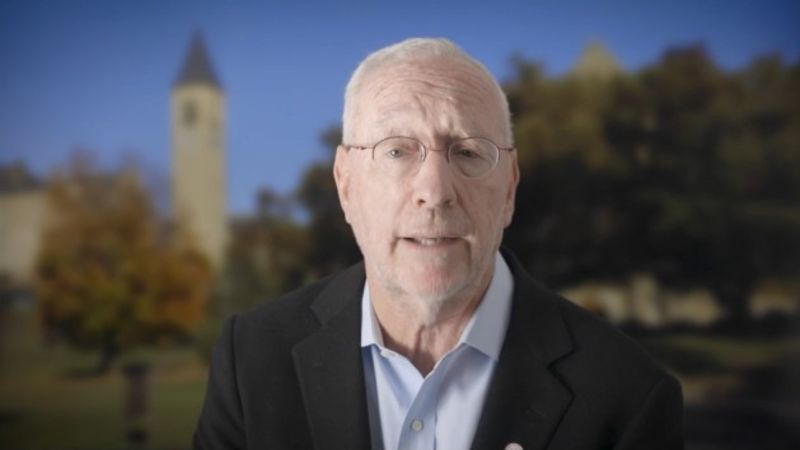
Cornell president breaks silence amid scrutiny of assault case
Sandego.net – Cornell president breaks silence amid growing criticism of the university’s handling of allegations that a student was sexually assaulted by multiple men at the Chi Phi fraternity house in October 2024. The president issued a statement Saturday as the case drew renewed public attention.
Messages, university disciplinary records, investigative materials and recordings made by the student, identified as Jane Doe, provide additional details about the night of October 19, 2024. The records also show how Doe’s account and understanding of the events developed in the weeks that followed.
Campus police records state that Doe initially reported she had been raped by “8-10 men” at the fraternity house. Cornell police have been asked to release the complete incident report.
Questions over information shared with prosecutors
Doe’s initial allegation was not included in the six-page sworn statement provided to prosecutors. That omission has become a central issue in questions about why criminal charges were not filed and what evidence was considered.
Cornell first said its police department had investigated the allegations and provided the Tompkins County District Attorney’s Office with all investigative material. The university later revised that account, saying campus police sent prosecutors Doe’s sworn statement and a Snapchat screenshot.
Tompkins County District Attorney Matthew Van Houten previously said prosecutors declined to bring charges because of Doe’s six-page statement. He later said his office had access to some Snapchat exchanges from a group chat called “Chi Phi Actives.”
One exchange includes an image of Doe in a room at the fraternity house during the period when she says the assault occurred. The material has intensified scrutiny over whether prosecutors reviewed the full available body of evidence before deciding against a criminal case.
Additional records and Cornell’s disciplinary process
Title IX records indicate that the district attorney’s office did not seek additional evidence collected by Cornell police beyond Doe’s six-page statement. By November 25, 2024, campus police had conducted more interviews and reviewed chat messages.
A Cornell police investigator contacted a member of the district attorney’s staff that day to offer the additional material. Notes from the discussion said prosecutors had already determined that criminal charges would not be pursued based on Doe’s statement.
“Criminal charges would not be pursued in this case.”
Van Houten later said the additional Cornell police records were not relevant to the prosecutorial analysis because his office had what he considered Doe’s complete account. The gap between that view and the later-emerging records remains at the heart of the debate.
Cornell president breaks silence amid calls for answers not only about the criminal investigation, but also about the university’s own response. Cornell’s disciplinary process operates separately from the criminal justice system and applies different standards and procedures.
A heavily redacted 99-page document summarizing evidence reviewed by a Cornell disciplinary panel describes more than 50 interviews. Six of the seven men accused in the university process were among those interviewed.
The records indicate that Doe’s interpretation of the night changed as she processed the experience in subsequent weeks. Early statements and later descriptions can differ, an issue that has shaped public discussion of the case and the evidence reviewed by investigators.
FAQ for the Cornell and Tompkins County community
Why did prosecutors decline to file charges? Van Houten said the decision was based on Doe’s six-page sworn statement. Questions remain about whether other material collected by Cornell police was reviewed before that decision.
Did Cornell conduct its own review? Yes. Cornell’s Title IX and disciplinary process reviewed evidence separately from the criminal case, including interviews and records summarized in the redacted panel document.
What is the role of Cornell’s president? The president’s statement addresses the university’s response as Cornell faces continued scrutiny over how information was handled and communicated.