Burnham Set to Lead Britain Through Another Political Transition
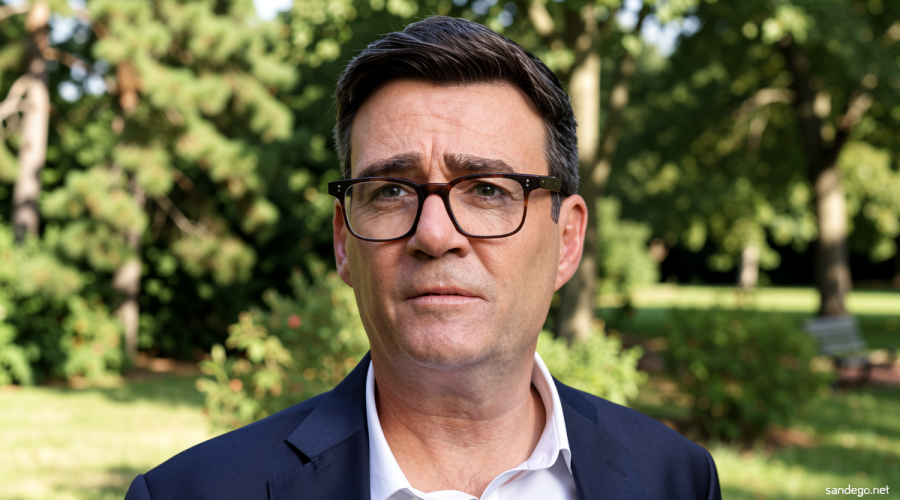
Sandego.net – Andy Burnham has officially been named the incoming head of Britain’s ruling Labour Party, positioning himself to become the nation’s seventh prime minister within just ten years of considerable political turbulence. His appointment comes as he prepares to take over from Keir Starmer on Monday. During his acceptance address, the new leader promised to restore “hope back” to citizens while confronting what he described as a political culture and economic framework that “simply doesn’t work well enough for ordinary people.”
A By-Election That Changed Everything
While formal confirmation of Burnham’s rise only arrived on Friday, he has effectively functioned as the party’s leader-in-waiting since securing a pivotal by-election victory last month. This triumph enabled his return to parliament and allowed him to openly challenge Starmer’s leadership. Many observers viewed Labour’s poor showing in May’s local elections as a warning sign of potential disaster if Starmer—despite securing a landslide victory two years prior—guided the party into another national contest. Burnham, who was serving as mayor of Greater Manchester at the time, emerged as the most credible alternative during the party’s frantic search for fresh direction. A by-election was strategically arranged after his ally Josh Simons stepped down from his Makerfield constituency. This seat sits within the historic Labour strongholds of northern England, an area where the hard-right populist Reform UK party has been gaining significant ground. Burnham won this closely monitored contest, and despite initially promising to stay in his mayoral role, Starmer revealed his plans to step down just days afterward.
Building Support Across Parliament
By claiming victory in Makerfield, Burnham proved to Labour MPs concerned about losing their positions in the upcoming general election that he could effectively compete against Reform, who have dominated national opinion polls for several months. The leadership contest rapidly transformed into a coronation when an overwhelming majority of the party’s 403 MPs threw their support behind Burnham. His political journey spans decades. Between 2001 and 2017, Burnham held various positions in Westminster, serving in both Tony Blair and Gordon Brown’s cabinets before eventually becoming health secretary. He attempted to win the Labour leadership twice but fell short on both occasions. Following his second bid, he moved back to northwestern England, his home region, and contested the newly established Manchester mayorship in 2017.
The King of the North
During his time as mayor, Burnham established himself as a counterbalance to Westminster power, highlighting the country’s entrenched north-south divide. This earned him the nickname “The King of the North.” Under his leadership, Manchester’s economy expanded and its public transit system improved considerably. Unlike Starmer, Burnham brings a distinct storyline—shifting authority away from London—throughout his policy agenda. However, the challenges that ultimately weakened Starmer remain present across most areas Burnham must address. In a June address, he outlined commitments including expanding social housing construction, revitalizing industry, and placing essential utilities under increased public oversight. These promises must somehow be financed within the same spending limitations that constrained Starmer’s administration.
Looking Ahead
“People have this underlying sense that the state isn’t working very well right now,” observed Simon Kaye, the director of policy at the think-tank Re:State, referencing a struggling economy alongside difficulties within the National Health Service and social care system. A major examination of rising social security expenses is expected to deliver its findings in autumn, potentially requiring tough choices for a new center-left leader cautious about the political consequences his predecessor faced when attempting to reduce welfare expenditures. Additionally, through fortunate timing, Burnham assumes office precisely as substantial immigration reforms progress through parliament, compelling him to quickly define his stance on this highly debated topic. Still, while Burnham operates within the same conditions as Starmer, he is viewed as a stronger communicator than his more technical predecessor. “This is really a live experiment in how important the messenger is,” Kaye explained to CNN. “The devolution stuff, that’s already underway under Starmer. Burnham’s going to push it harder, talk about it a lot more.” “The fiscal constraints are going to be the same … So how important is it to the parliamentary Labour Party, to the national mood, if the messenger is just a little bit more charismatic?” Economic headwinds—including Brexit’s aftermath, the Covid pandemic, and the energy crisis stemming from Russia’s invasion of Ukraine—continue to challenge Burnham as much as they did Starmer. Decades of austerity following the 2008 financial crisis have resulted in largely stagnant economic growth and household incomes.