Judge Orders ICE to Free Wisconsin Mosque Leader on Free Speech Grounds
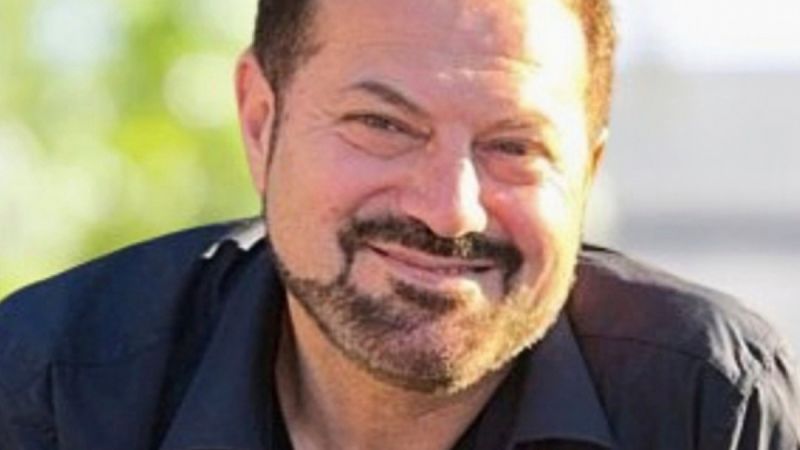
Sandego.net – A judge orders ICE to free Salah Sarsour, the leader of a prominent Wisconsin mosque, citing a significant free speech argument. In a recent ruling, U.S. District Judge James Patrick Hanlon mandated the release of Sarsour, who had been detained in an Indiana county jail since March 30, 2026. The decision stems from claims that his detention was a form of retaliation for his advocacy on Palestinian rights. Sarsour, a legal permanent resident with roots in Palestine, was held without clear justification, according to his attorneys, who argued the government targeted him for his vocal stance against Israeli policies.
Government’s Case and Free Speech Allegations
The government’s case against Sarsour centered on his alleged support for Palestinian causes. While he has no criminal record in the U.S., his legal team highlighted that the federal authorities had known about his charges since the 1980s. Sarsour was convicted in the Israeli Ramallah Military Court for actions against Israeli forces, including throwing Molotov cocktails and stones. He has consistently denied these charges, claiming they were politically motivated. The judge ruled that these past convictions did not automatically justify his current detention, especially when linked to free speech activities.
Salah Sarsour’s legal team emphasized that his detention was driven by political retaliation rather than concrete evidence of wrongdoing. They argued that the government’s claim of foreign policy threats was insufficient to override his constitutional rights. Hanlon’s ruling underscores the importance of free speech protections, even for individuals with a history of convictions abroad. The decision serves as a reminder that detention must be justified by tangible threats, not mere ideological disagreement.
Health and Detention Conditions as Key Factors
Sarsour’s release was also influenced by concerns over his health. During his 80-day incarceration, medical staff monitored his blood sugar levels only once a month, despite his Type 2 diabetes. This lack of attention led to weight loss of over 30 pounds and raised fears of organ failure while in custody. His family and legal advocates highlighted the human cost of prolonged detention, arguing that his health deterioration demonstrated the urgency of his release.
“We’re getting our dad back!” Kareem Sarsour, Salah’s son, stated in a prepared statement. “This experience has been a nightmare to wake up to every day, with his health at risk in a cruel basement cell simply for speaking up for Palestine.” Sarsour’s return to Milwaukee, where he resides with his spouse, six children, and nine grandchildren—U.S. citizens—was met with relief from the community. His attorneys stressed that his detention was not only unjust but also set a precedent for targeting activists based on political speech.
Legal Implications and Broader Context
The ruling is part of a larger trend of legal challenges against ICE’s detention practices. According to recent reports, hundreds of detainees in at least 33 states have filed similar lawsuits, alleging systemic medical neglect and overreach in immigration enforcement. Sarsour’s case has become a symbol of this movement, with his legal team calling it a “sober reminder” of the tension between national security and civil liberties. The decision may influence future cases where free speech is used as a justification for detention.
Salah Sarsour’s attorneys argue that his detention exemplifies how free speech can be weaponized against individuals who challenge dominant narratives. They noted that his deep ties to the U.S., including his family’s citizenship, further support his release. The judge agreed, stating that Sarsour’s incarceration was a clear example of retaliation against his advocacy. This ruling could signal a shift in how ICE handles cases involving political expression, especially in communities with strong ties to the country.
DHS’s Defense and Political Motives
Despite the ruling, the Department of Homeland Security (DHS) defended its actions, asserting that Sarsour’s past convictions in Israel justify his detention. Officials labeled him a “terrorist” and claimed his activities posed a threat to U.S. interests. However, Sarsour’s legal team criticized this characterization, noting that the Israeli military court’s procedures have been questioned for their fairness. The case highlights how political motives can shape immigration decisions, even when the evidence is not conclusive.
The judge’s decision to order ICE to free Sarsour reflects a growing awareness of the need to balance national security concerns with individual rights. By emphasizing the substantial free speech claim, Hanlon’s ruling may encourage more scrutiny of detentions based on political affiliations. The case has sparked discussions about the role of advocacy in immigration law, with implications for other detainees facing similar charges. As the legal battle continues, the focus remains on protecting free speech as a fundamental right in the U.S. immigration system.