A Deadly Collapse at a Florida Condo Unfolded Gradually, Investigation Reveals
Sandego.net – In a groundbreaking analysis, federal investigators have determined that the catastrophic collapse of a Surfside, Florida, condominium occurred over an extended period, with critical structural failures developing weeks before the disaster struck on June 24, 2021. The National Institute of Standards and Technology (NIST) released its final report on Monday, shedding light on the slow progression of the tragedy that claimed 98 lives. This finding challenges the perception of the event as a sudden catastrophe, emphasizing the role of long-term neglect and design compromises in its unfolding.
Structural Weaknesses Exposed
The NIST report identified two pivotal connections between garage columns and the pool deck as the initial points of failure. These structural elements began to deteriorate in early June, setting the stage for the eventual collapse. Over four decades of operation, the building underwent modifications that, combined with its original design shortcomings, significantly reduced the load-bearing capacity of other components. This created a scenario where the pool deck could no longer support the accumulated weight, leading to a slow-motion collapse.
“When structures are built to meet established codes and standards, they are designed with built-in safety margins, allowing them to handle far more stress than anticipated,” explained Judith Mitrani-Reiser, who co-led the NIST investigation. “In the case of Champlain Towers South, these margins were severely compromised from the beginning.”
The report highlights a pattern of gradual distress that had been observed prior to the collapse. Residents who lived in the building were unaware of the subtle but critical signs of weakening. For instance, photographs taken in the weeks before the disaster revealed a persistent crack in a planter wall on the pool deck, as well as fissures where the wall met a planter box. These visual clues were part of a broader picture of structural vulnerabilities that had been developing for years.
The Night of the Collapse
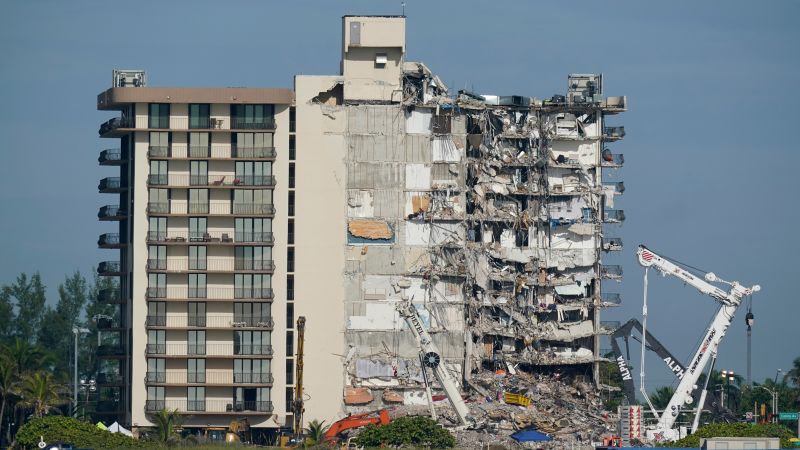
On the early morning of June 24, 2021, the building in Surfside, Florida—located just north of Miami—collapsed abruptly, sending a massive pile of debris into the ocean. Most residents were asleep when the collapse happened at 1:22 a.m., leaving little time for evacuation. The incident not only resulted in 98 fatalities but also sparked a wave of personal injury and wrongful death claims. A Miami judge recently approved a settlement exceeding $1 billion to compensate victims and their families.
The investigation also pointed to the original construction and design of the building as key factors. The structure was built in the late 1970s but failed to adhere to the design specifications at the time. This discrepancy, paired with ongoing modifications, contributed to the weakening of critical support systems. Later additions, such as heavy planters, sand, and pavers, further strained the already compromised framework. Over time, corrosion and wear exacerbated these issues, diminishing the structure’s ability to withstand pressure.
Legacy of the Collapse
The tragedy prompted a legislative response, with Florida lawmakers passing a law in 2022 that mandates condominium associations to maintain sufficient financial reserves for major repairs. However, this requirement has led to increased costs for residents, some of whom were caught off guard by hefty fees. These charges were intended to cover deferred maintenance, but they have sparked debates over financial responsibility and transparency in condo management.
Despite the legal changes, the companies responsible for designing and constructing the original building are no longer operational. This has left the responsibility of addressing past mistakes to current associations and officials. The NIST report also noted that a resident had reported a minor but significant issue three weeks before the collapse—a gate near the planter wall had dipped slightly, causing it to jam. This seemingly minor detail became a harbinger of the larger structural crisis that followed.
Rebuilding Trust and Preventing Future Disasters
The findings of the NIST report underscore the importance of proactive maintenance and adherence to engineering standards. While the collapse was a sudden event, its roots lay in a series of decisions made over decades. These choices, often driven by cost considerations or aesthetic changes, weakened the building’s integrity without immediate visible consequences. The report serves as a cautionary tale for property owners and regulators alike, emphasizing the need for regular inspections and timely interventions.
Residents of Champlain Towers South, who were initially unaware of the building’s precarious state, now face the aftermath of both loss and financial strain. The $1 billion settlement aims to provide some measure of justice, but it also highlights the economic impact on families and communities. Meanwhile, the ongoing legal battles and structural assessments continue to shape the narrative of what happened and how it can be prevented in the future.
Looking Ahead
As the final report concludes, its implications extend beyond the immediate tragedy. The case has become a focal point for discussions about building safety, regulatory oversight, and the long-term consequences of design and maintenance choices. The NIST investigation’s emphasis on the gradual nature of the collapse serves as a reminder that structural failures are often the result of cumulative stress rather than a single event. This insight is critical for future building projects and for ensuring that lessons from the Surfside disaster are not forgotten.
While the companies behind the original structure are no longer in business, the responsibility to learn from the incident has fallen to the state and local authorities. The 2022 law, which requires condo associations to allocate funds for repairs, is a direct response to the failures exposed by the collapse. However, its implementation has raised questions about how effectively it will address similar risks in other buildings. The report’s detailed account of the structural issues and their progression provides a roadmap for preventing such disasters in the future.
For residents of Surfside, the collapse remains a profound memory. The sight of the building’s remains, the sound of the sudden collapse, and the loss of loved ones have left an indelible mark. Yet, the report offers a deeper understanding of the factors that contributed to the tragedy, enabling a more informed approach to building safety. By highlighting the slow development of the collapse, it underscores the importance of vigilance in maintaining the structural integrity of residential complexes, even in the absence of visible signs of distress.
In conclusion, the Surfside condominium collapse was not an instant event but a result of years of structural weaknesses and modifications. The NIST report’s findings emphasize the need for adherence to building codes, regular inspections, and a commitment to long-term maintenance. As the community moves forward, the hope is that these lessons will prevent future tragedies and ensure that no building is left to crumble without warning.