
Turkey Blocks Instagram: Immediate Impact on Users
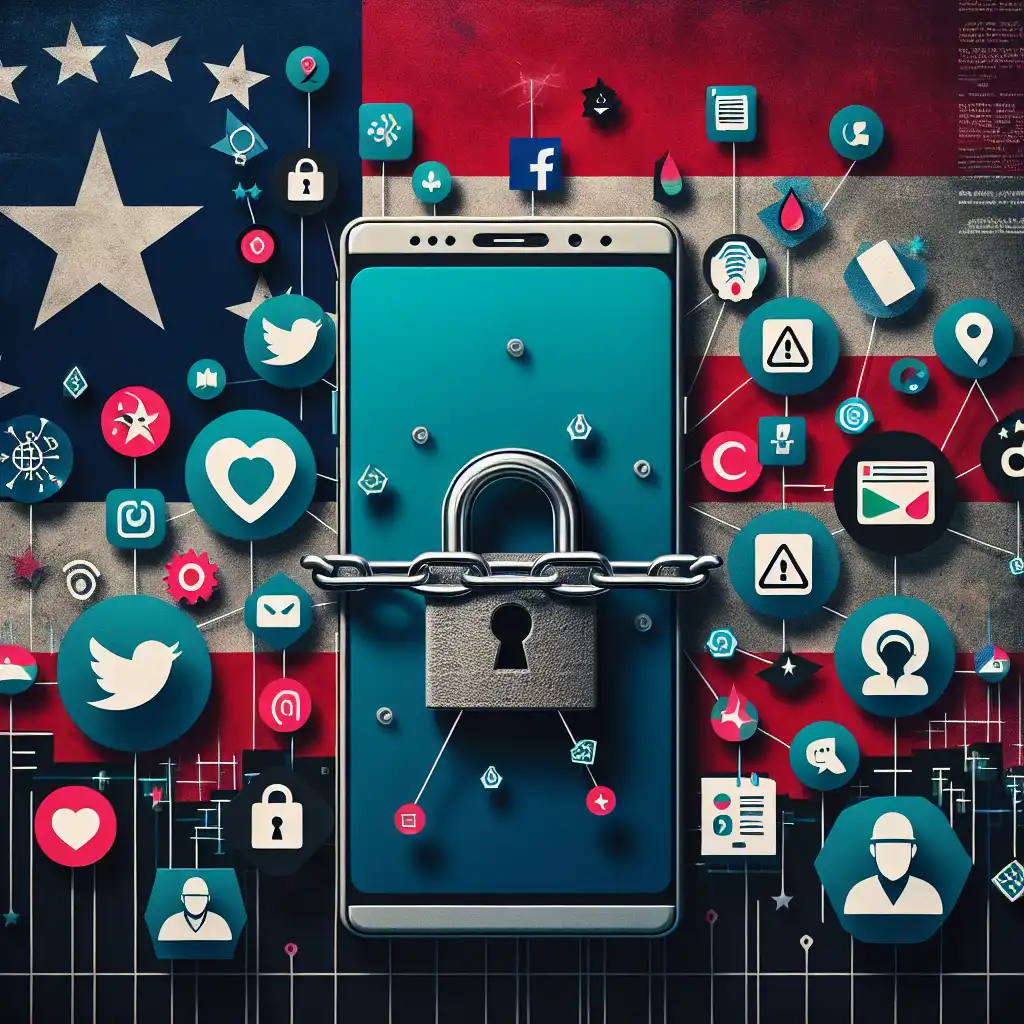
Turkey Restricts Access to Instagram: What It Means and What’s Next
In a surprising move on Friday, Turkey imposed a blockade on the popular social media platform Instagram. This development has raised numerous questions and concerns among users within the country and observers worldwide. As digital platforms become increasingly integral to communication and information dissemination, such restrictions can have profound implications.
The Turkish government’s decision to limit access to Instagram is part of a broader trend of increasing control over internet usage and social media within the country. This article delves into the reasons behind the ban, its potential impacts, and what the future may hold for digital freedoms in Turkey.
Understanding the Blockade
Government’s Justification
Turkey’s government has cited several reasons for this blockade, ranging from national security concerns to the need for greater control over misinformation. Officials argue that social media platforms, including Instagram, have been used to spread false information, incite violence, and undermine state authority.
National Security Concerns
- The government claims that certain content shared on Instagram poses a threat to national security.
- There are allegations that the platform has been used to coordinate illegal activities.
Misinformation and Public Order
- Authorities have expressed concerns about the spread of misinformation and its potential to disrupt public order.
- The government believes that controlling social media content is crucial to maintaining stability.
International Reaction
The international community has reacted strongly to Turkey’s decision to block Instagram. Human rights organizations and digital rights activists have condemned the move as a blatant attack on freedom of expression.
Criticism from Human Rights Organizations
- Numerous human rights organizations have issued statements criticizing the blockade.
- They argue that it infringes on the right to free speech and access to information.
Response from Digital Rights Activists
- Digital rights activists have launched campaigns to raise awareness about the issue.
- They emphasize the importance of digital freedoms in modern societies.
The Impact on Users
Disruption of Communication
For millions of Turkish users, Instagram is not just a social media platform but a vital means of communication. The blockade has disrupted daily interactions and severed connections with friends and family.
Personal Communication
- Users rely on Instagram for messaging and staying in touch with loved ones.
- The blockade has forced many to seek alternative platforms.
Professional Use
- Many businesses and influencers use Instagram for marketing and brand engagement.
- The restriction has impacted their ability to reach and interact with their audience.
Economic Implications
The blockade could have significant economic repercussions, particularly for small businesses and entrepreneurs who use Instagram as a primary marketing tool.
Impact on Small Businesses
- Small businesses often rely on Instagram to promote their products and services.
- The blockade may result in decreased visibility and sales.
Influencer Economy
- Influencers and content creators who earn income through Instagram sponsorships are adversely affected.
- The restriction disrupts their revenue streams and collaborations.
Future of Digital Freedoms in Turkey
Increasing Government Control
The blockade of Instagram is indicative of a broader trend towards increased government control over digital spaces in Turkey. This raises concerns about the future of digital freedoms in the country.
Recent Legislation
- The Turkish government has passed several laws granting it greater control over social media.
- These laws require platforms to remove content deemed objectionable by the authorities.
Potential for Further Restrictions
- There is a fear that the blockade of Instagram may be a precursor to further restrictions on other platforms.
- Users and activists are concerned about the erosion of digital rights.
Resistance and Advocacy
Despite the challenges, there is a growing movement within Turkey advocating for digital freedoms and resisting government censorship.
Grassroots Movements
- Grassroots organizations are mobilizing to defend digital rights.
- They are organizing protests and online campaigns to raise awareness.
International Support
- International organizations and foreign governments are voicing support for digital freedoms in Turkey.
- There is a call for global solidarity to pressure the Turkish government to lift the blockade.
FAQs
Why did Turkey block Instagram?
Turkey blocked Instagram citing national security concerns and the need to control misinformation.
How has the international community reacted to the blockade?
The international community, including human rights organizations and digital rights activists, has condemned the blockade as an attack on freedom of expression.
What are the economic implications of the Instagram blockade?
The blockade has disrupted the operations of small businesses and influencers who rely on Instagram for marketing and income.
Is this blockade part of a broader trend in Turkey?
Yes, the blockade is part of a broader trend of increasing government control over digital spaces in Turkey.
What is being done to resist the blockade?
Grassroots movements within Turkey and international support are mobilizing to advocate for digital freedoms and resist government censorship.
Conclusion
Turkey’s decision to block access to Instagram marks a significant development in the country’s approach to digital governance. While the government cites national security and misinformation concerns, the move has sparked widespread criticism and raised important questions about the future of digital freedoms in Turkey. The economic and social impacts of the blockade are already being felt, and there is a growing movement advocating for digital rights and freedoms. As the situation evolves, it will be crucial to monitor the balance between state control and individual freedoms in the digital age.
