
Judge declares a mistrial in Harvey Weinstein’s rape retrial after jury deadlocks
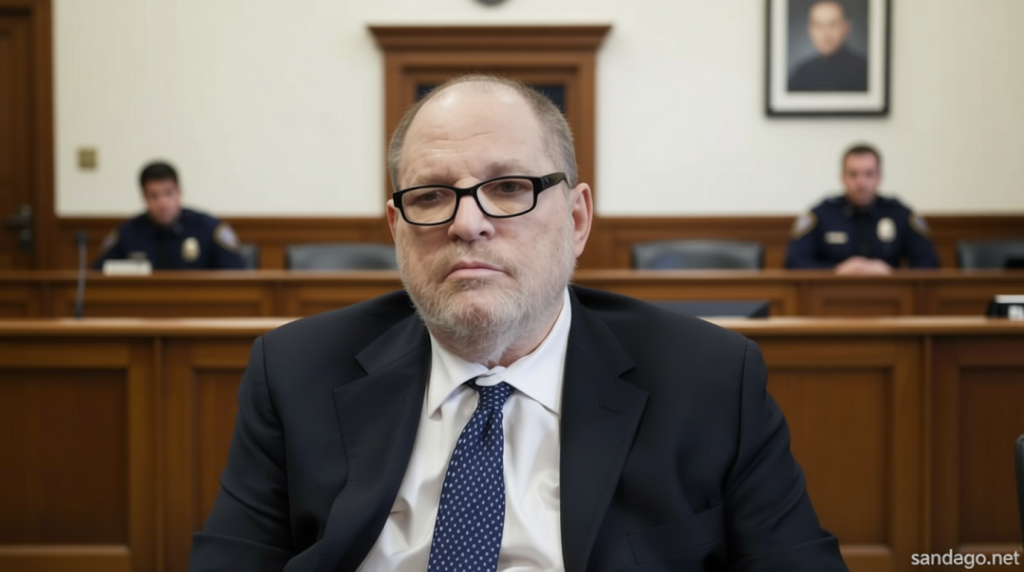
Judge Declares Mistrial in Harvey Weinstein’s Rape Trial
Judge declares a mistrial in Harvey – A Manhattan judge announced a mistrial in Harvey Weinstein’s third rape retrial, citing a jury deadlock. The decision came after jurors failed to agree on a verdict following nearly five days of deliberation. This marks yet another turning point in the ongoing legal battle surrounding Weinstein’s 2013 alleged sexual assault of Jessica Mann. The outcome leaves the key rape charge unresolved, raising questions about whether prosecutors will retry the case in a fourth attempt. The mistrial underscores the challenges of proving sexual misconduct in high-profile trials, where public perception and evidence often collide.
Deadlock in Third Trial Sparks Uncertainty
Weinstein’s third trial, which began in March 2025, faced a critical hurdle as the jury could not reach a consensus. The panel, consisting of twelve members, was split on whether the evidence sufficiently established the rape. While the defense emphasized Weinstein’s alleged consent and the jury’s doubts, the prosecution argued the case still had merit. Judge Curtis Farber’s declaration of a mistrial signals that the case will not conclude without further legal action. The former producer remains in custody, pending a potential fourth trial, which could test the resilience of the #MeToo movement’s momentum.
“The jury clearly couldn’t decide whether Weinstein’s actions met the threshold for rape,” stated Judge Curtis Farber during the court session. His ruling highlighted the jury’s division, with some jurors expressing confidence in the defense’s arguments. The case has become a symbol of the complexities in sexual assault trials, where the burden of proof rests heavily on the credibility of survivors’ testimonies. Farber’s decision also reflects the shifting dynamics in Weinstein’s legal journey, which has seen both convictions and acquittals over the past decade.
Earlier this year, Weinstein was acquitted on four counts of sexual misconduct after a retrial collapsed. That outcome was seen as a strategic win by his legal team, but it also fueled debates about the standards for sexual assault convictions. This latest mistrial, however, brings the focus back to the 2013 incident with Jessica Mann, which forms the core of the case. Mann, now 40, has remained a central figure in the trial, with her testimony providing the critical evidence that prosecutors have sought to secure a conviction on the rape charge.
Testimony and Juror Deliberations
Mann’s account of the alleged rape described a tense confrontation in which Weinstein allegedly forced her to undress after she said “no” multiple times. She testified that the incident occurred during a professional relationship, where she felt pressured to comply. Despite the emotional weight of her testimony, the jury’s deadlock suggests lingering skepticism about the evidence. Some jurors noted that the trial’s complexity, combined with Weinstein’s influence in the entertainment industry, made it difficult to reach a definitive conclusion.
“The evidence was compelling, but we had to weigh the credibility of the witness against the context of the case,” said Juror Josh Hadar, 57, in a post-trial interview. His comments reflect the broader uncertainty among jurors, who were divided on whether Mann’s account was clear enough to justify a rape conviction. Another juror, Sarae Perez, 25, acknowledged the role of personal bias, stating, “I felt the burden of proof was high, and I wasn’t sure if it was met.” These perspectives highlight the tension between justice and the challenges of evaluating sexual assault claims in court.
Weinstein’s legal team, including Marc Agnifilo and Josh Korn, argued that the mistrial was a necessary step to present a stronger case in a subsequent trial. They pointed to the jury’s hesitation as a sign that the evidence could be refined or reexamined. Meanwhile, advocates for gender justice expressed disappointment, emphasizing that the mistrial could delay progress in holding powerful figures accountable. The case remains a focal point for the #MeToo movement, which continues to influence public discourse on sexual misconduct.
“It’s a setback, but not the end of the fight,” said Marc Agnifilo, Weinstein’s attorney, in a press conference. He framed the result as a strategic move to keep the legal battle alive. Conversely, Jessica Mann’s supporters called the mistrial a missed opportunity, stressing the importance of securing a conviction for the rape charge. The decision to retry the case will depend on the Manhattan District Attorney’s assessment of the evidence and the potential for a new jury to reach a verdict. For now, the focus shifts to the next steps in Weinstein’s legal saga.
