
CIA Director John Ratcliffe meets with Cuban officials in Havana
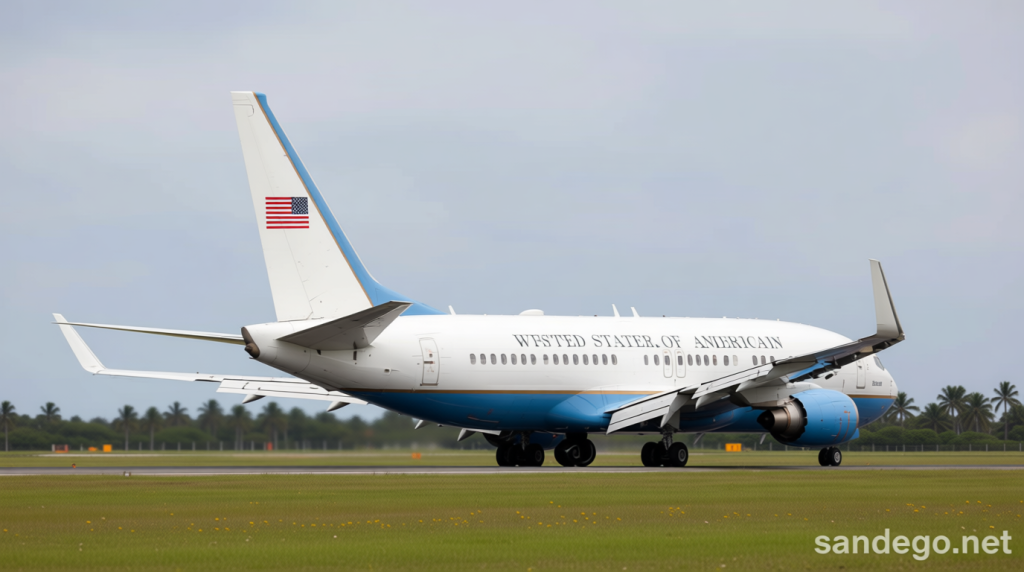
CIA Director John Ratcliffe Meets with Cuban Officials in Havana
CIA Director John Ratcliffe meets – On Thursday, CIA Director John Ratcliffe traveled to Havana, Cuba, to lead a U.S. delegation in discussions with Cuban government officials. The visit marks a significant development in the ongoing diplomatic efforts between the two nations, which have faced heightened tensions in recent months due to Cuba’s energy crisis and escalating geopolitical rivalry. The meeting took place amid reports of a severe decline in the country’s oil supply, a critical issue threatening its electrical grid and overall economic stability.
Cuban Officials Emphasize Non-Threat Status
Cuban authorities stated that the Revolutionary Directorate had agreed to host the U.S. delegation, including Ratcliffe, as requested by the American government. The statement highlighted the willingness of Cuban officials to engage in dialogue, despite the nation’s long-standing accusations against the CIA for undermining its revolutionary government. During the meeting, Cuban representatives reaffirmed their stance that the country poses no threat to U.S. national security and that its inclusion on the State Sponsors of Terrorism list is unjustified.
“Cuba does not constitute a threat to the national security of the US, and there are no legitimate reasons to maintain its designation as a State Sponsor of Terrorism,” said Cuban officials during the exchange.
Their remarks also addressed longstanding U.S. allegations, including Cuba’s alleged support for terrorist activities and the presence of foreign military or intelligence bases on the island. Cuban officials denied these claims, asserting that the country has no ties to terrorism and has not allowed foreign powers to establish permanent installations near its shores.
Trump’s Comments Spark New Dialogue
The visit comes two days after U.S. President Donald Trump hinted at potential negotiations with Cuba, calling it a “failed country” seeking assistance during its economic downturn. In a post on Truth Social, Trump remarked, “Cuba is asking for help, and we are going to talk!!! In the meantime, I’m off to China!” This statement was made after his administration had intensified sanctions and imposed an oil blockade, cutting off Cuban access to oil shipments for over four months.
Cuban Energy and Mines Minister Vicente de la O Levy described the nation’s oil reserves as nearly depleted, citing the reliance on a single shipment of Russian oil from late March. With the Russian donation now exhausted, the lack of energy resources has intensified the crisis, particularly affecting Havana’s power supply. The minister’s comments followed a U.S. announcement of a $100 million aid package, which includes Starlink terminals aimed at expanding internet connectivity while challenging Cuba’s control over digital infrastructure.
U.S. Demands and Historical Context
The U.S. delegation emphasized the urgency of reforms, according to a State Department official. Ratcliffe and his team pressed Cuba to implement economic and governance changes that would improve competitiveness, attract foreign investment, and promote private-sector growth. They also demanded the release of political prisoners and a commitment to enhancing political freedoms, while expressing concerns about foreign intelligence groups operating within 100 miles of U.S. territory.
Notably, this visit represented the first time a U.S. government aircraft had landed in Cuba since 2016, when former President Barack Obama’s administration sought to normalize relations. The 2026 meeting, however, occurs under a markedly different political climate, with the Trump administration prioritizing pressure tactics over diplomatic engagement.
Raul Castro’s Grandson: A Key Figure in U.S.-Cuba Talks
Amid the meeting, attention turned to Raul Castro’s grandson, who has emerged as a prominent figure in recent U.S.-Cuba negotiations. Dubbed “the Crab” in a recent social media post, the individual has been at the center of discussions about easing restrictions and fostering collaboration. Cuban President Miguel Díaz-Canel hinted at openness to U.S. aid, but stressed the importance of lifting or reducing the economic blockade as a condition for dialogue.
“If there is truly a willingness on the part of the United States government to provide aid … it will encounter no obstacles or ingratitude from Cuba,” Díaz-Canel wrote on X. “Incidentally, the damage could be alleviated in a much easier and more expeditious way by lifting or easing the blockade, as it is well known that the humanitarian situation is coldly calculated and induced.”
The U.S. aid package, while modest in scale, underscores the administration’s strategic interest in addressing Cuba’s immediate needs. Starlink terminals, for instance, are expected to provide critical connectivity, particularly in rural areas where internet access has been limited. However, the initiative also signals a shift in U.S. policy, challenging Cuba’s monopoly on digital communications and potentially altering the nation’s technological landscape.
Strained Relations and Future Prospects
Despite the thaw in talks, relations between the U.S. and Cuba remain fraught. The Trump administration’s sanctions and economic pressure have deepened the divide, with Cuban officials accusing Washington of exploiting the crisis to further isolate the island. Meanwhile, the U.S. has framed its actions as necessary to push for systemic reforms and ensure the country’s economic viability.
Analysts note that the meeting may serve as a precursor to broader negotiations, though the outcome will depend on whether both sides can align on key issues. The Cuban government’s emphasis on lifting the blockade and the U.S. focus on economic reforms highlight the central tension in their relationship. As the energy crisis continues to impact daily life, the possibility of a temporary truce or mutual concessions remains a topic of speculation.
Cuban officials have expressed hope that the dialogue will lead to tangible outcomes, particularly in the form of aid and relief from sanctions. However, the U.S. delegation’s demands—ranging from political reforms to restrictions on foreign intelligence operations—underscore the challenges ahead. With the island’s energy reserves dwindling and its economy in turmoil, the meeting may mark a pivotal moment in the decades-long rivalry between the two nations.
Historical and Current Challenges
Historically, U.S.-Cuba relations have been shaped by Cold War dynamics, with periodic shifts in policy reflecting changing political tides. The 2016 visit by Obama’s administration symbolized a willingness to ease tensions, but Trump’s approach has reversed many of those gains. This latest meeting, though brief, signals a renewed interest in engaging with Havana, even as the U.S. continues to apply pressure through sanctions and economic measures.
Cuban President Díaz-Canel’s public remarks on X suggest a cautious optimism, with the nation ready to accept aid but determined to assert its sovereignty. The outcome of this meeting will be closely watched, as it may set the stage for future agreements or further conflict. For now, the focus remains on addressing the immediate crisis and exploring pathways for reconciliation in a rapidly evolving geopolitical landscape.
As the meeting concludes, both sides have reiterated their commitment to dialogue, though the path forward remains uncertain. The U.S. seeks to leverage the situation for strategic gains, while Cuba aims to secure relief and maintain its political autonomy. With the island’s energy sector in critical condition and the broader economic crisis deepening, the diplomatic engagement may be a crucial step toward stabilizing the relationship between the two nations.
