
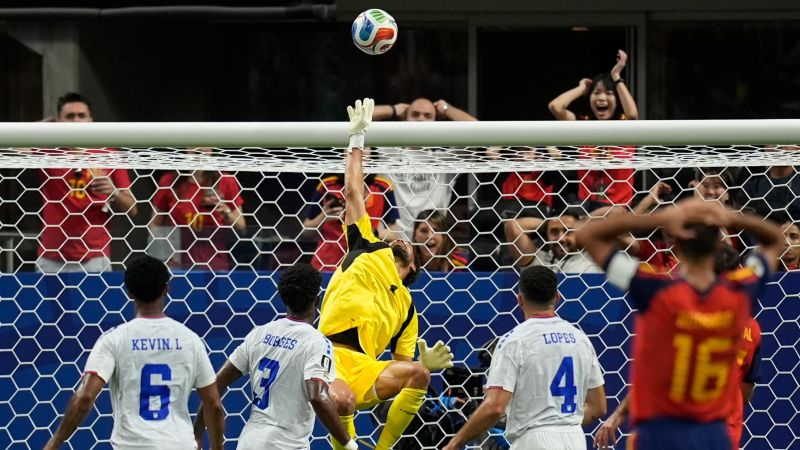
Tiny Cape Verde Shocks Spain in World Cup Debut
Sandego.net – Tiny Cape Verde shocks favorite Spain in a historic draw, marking the nation’s first World Cup appearance. The underdog team, composed of athletes from a small archipelago in the Atlantic, managed to hold off Spain’s attacking threats in a 0-0 stalemate. This unexpected result has redefined expectations and ignited a wave of excitement among Cape Verdean supporters. The match, played at Atlanta’s Mercedes-Benz Stadium, demonstrated that even the most seasoned teams can be challenged by lesser-known squads in the global arena.
A Defiant Display of Skill
The clash between Cape Verde and Spain highlighted a dramatic underdog story. Despite Spain’s status as a top-tier European power, the African team’s tactical discipline and defensive resilience proved too much to overcome. Cape Verde, ranked 67th globally, faced the No. 2 team in the FIFA rankings, a daunting matchup that tested their mettle. The draw, achieved in their debut at the World Cup, underscores the unpredictable nature of football and the potential for surprise in the tournament’s opening stages.
Spain, renowned for its attacking flair and technical expertise, aimed to assert dominance from the outset. The team’s possession statistics—74% of the ball and six more shots on goal—showcased their superiority. Yet, Cape Verde’s ability to neutralize these advantages and maintain a scoreless draw has sparked a new narrative. The game’s outcome reaffirmed that even the most favored teams can be unprepared for the grit and strategy of smaller nations, especially when their backline is led by a legendary goalkeeper.
The Goalkeeper’s Game-Changing Performance
Cape Verde’s 40-year-old goalkeeper, Rui Vozinha, emerged as the unsung hero of the match. His critical saves, including a dramatic hand-up in the final moments, were instrumental in securing the draw. Vozinha’s composure under pressure allowed his team to withstand Spain’s relentless attacks, showcasing his role as a cornerstone of their defense. The highlight of his performance came when he denied Mikel Oyarzabal’s header, sending the ball over the net for a corner. His heroics earned praise from fans and analysts alike, emphasizing his impact on the game’s result.
Spain’s efforts to break through the Cape Verdean wall were met with unwavering resistance. The team’s first-half chances, such as Rodri’s cross to Marc Cucurella, were thwarted by Vozinha’s reflexes. Torres, who soared to meet the ball, saw it glance off the crossbar, a moment that encapsulated the game’s tension. Despite their dominance in possession and shot accuracy, Spain’s inability to convert opportunities into goals highlighted the gap between statistics and outcomes. The draw served as a reminder of the unpredictable nature of football, where skill and determination can defy rankings.
“I’m so happy, I’m so proud. This is the moment we’ve dreamed of,” said Dilma Andrade, a Cape Verdean fan, after the game. “Our first World Cup and we stood up to the favorites—this is incredible.”
A New Era for Cape Verdean Football
The result has not only lifted the spirits of Cape Verde’s players but also signaled a new chapter for their national team. For a nation with limited resources and a small population, this draw represents a monumental achievement. The players’ ability to outlast Spain, a European powerhouse, has redefined their self-perception and inspired future generations. As Alex Lopes reflected on the victory, he emphasized that the journey is far from over. “We’ve shocked the favorites, and now we believe in our potential,” he said, hinting at the challenges ahead, including matches against Uruguay and Saudi Arabia.
Cape Verde’s performance has also drawn attention to the underdog spirit that can thrive in international competition. Just as Argentina’s 2022 opener against Saudi Arabia defied expectations, Spain’s confidence was shaken by the resilient Cape Verdean squad. This draw has set the stage for a thrilling tournament, where the focus keyword “Tiny Cape Verde shocks favorite Spain” becomes a symbol of what smaller teams can accomplish when they play with heart and unity. The island nation’s players, once overlooked, now stand as icons of perseverance in the World Cup.