Three things we ve learned – “`html
Reflections on a Historic Tournament: Key Takeaways Before the Final
This piece originally surfaced in CNN Sports’ daily World Cup newsletter, The Beautiful Game. Readers interested in receiving similar content can subscribe by clicking the provided link. The concluding Friday of any World Cup carries a peculiar atmosphere. It feels somewhat disconnected from the usual excitement, as though suspended between the intense matches and the upcoming climax. Yet this quiet period serves an important purpose, allowing teams to prepare while audiences anticipate what comes next.
Argentina and Spain Prepare for Sunday’s Showdown
Both finalists are currently refining their strategies behind closed doors. Supporters worldwide are making final arrangements to watch the championship match on Sunday. One Spanish correspondent noted with disappointment that she will be viewing the contest from her desk rather than enjoying it at a local pub. Nevertheless, the additional waiting period provides valuable opportunity to examine the tournament’s highlights across North America.
Even before kickoff, expectations were set high for this edition. The expansion to forty-eight participating nations marked a significant milestone, with four countries experiencing their World Cup debut. Perhaps the most universal realization has been that no opponent should ever be dismissed lightly. Throughout both group and elimination phases, lesser-known teams proved they had more to offer than simply filling roster spots.
Cape Verde’s Remarkable Journey
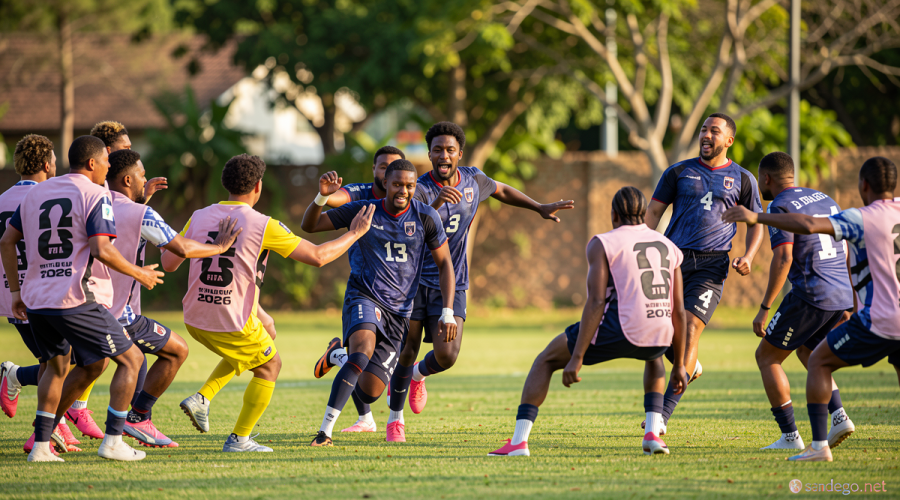
Among all the surprise packages, Cape Verde stood out most prominently. This small island country delivered enthusiasm, skill, and genuine competitiveness throughout the competition. They advanced through to the knockout rounds before ultimately losing to Argentina during extra time. What made their campaign even more extraordinary was that neither eventual finalist managed to defeat them within the standard ninety minutes. Their opening group match against Spain ended in a goalless stalemate, much to the frustration of that Spanish editor mentioned earlier.
While these underdogs exceeded expectations, the tournament also confirmed that individual brilliance remains crucial. Lionel Messi has proven beyond doubt that he retains his ability to influence matches at the highest level. Many observers, including myself, had assumed his move to Major League Soccer meant he was essentially enjoying retirement while staying somewhat connected to professional football. That assumption could not have been further from reality.
Messi’s Continued Excellence at Age 39
Though his playing style has evolved, the Argentine remains capable of deciding games single-handedly. Argentina’s path to the championship would have been considerably more difficult without his contributions. His position atop the scoring charts at thirty-nine years old represents something truly remarkable. More impressive than his goals, however, is his vision and ability to orchestrate attacks. While his pace may have diminished compared to his younger years, his passing range allows him to dismantle defenses and generate opportunities for his teammates consistently.
Within the past six decades, only two individuals have recorded both the highest shot count and most chances created at a single World Cup. Those players are Diego Maradona during the 1986 tournament and Lionel Messi in the current edition. Already considered an all-time great, securing another championship would elevate his status even further.
A Bright Future for Soccer in America
The final observation concerns the growing popularity of football within the United States. For many years, discussions focused on investments in MLS and initiatives designed to boost the sport’s profile. Figures like David Beckham and Zlatan Ibrahimović attracted attention but failed to spark widespread grassroots enthusiasm. Now, however, the situation appears different. American audiences have experienced the tournament firsthand, absorbing the atmosphere and connecting with international supporters.
Numerous statistics support this sentiment. The United States’ concluding match against Belgium attracted the largest television audience for any soccer game in American history, as viewers developed a genuine affection for the national team. While obstacles remain in developing the sport at community levels, it will be intriguing to observe how many of these newly converted fans return for the next World Cup four years from now.
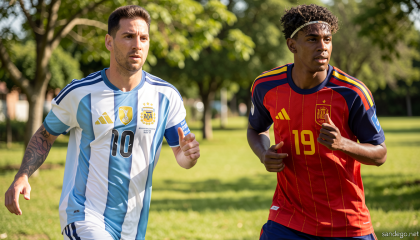
Turning attention back to the upcoming final, we will witness a fascinating encounter between two exceptional talents: Lamine Yamal and Lionel Messi. Both players developed at Barcelona, both operate primarily on the right side, and both display extraordinary natural ability. While Yamal still has considerable ground to cover before matching Messi’s accomplishments, their first direct confrontation on the pitch arrives on Sunday. This will not be their initial meeting, however. Incredibly, that came back in “`