Jason Collins’ Legacy: Breaking Barriers for LGBTQ Athletes
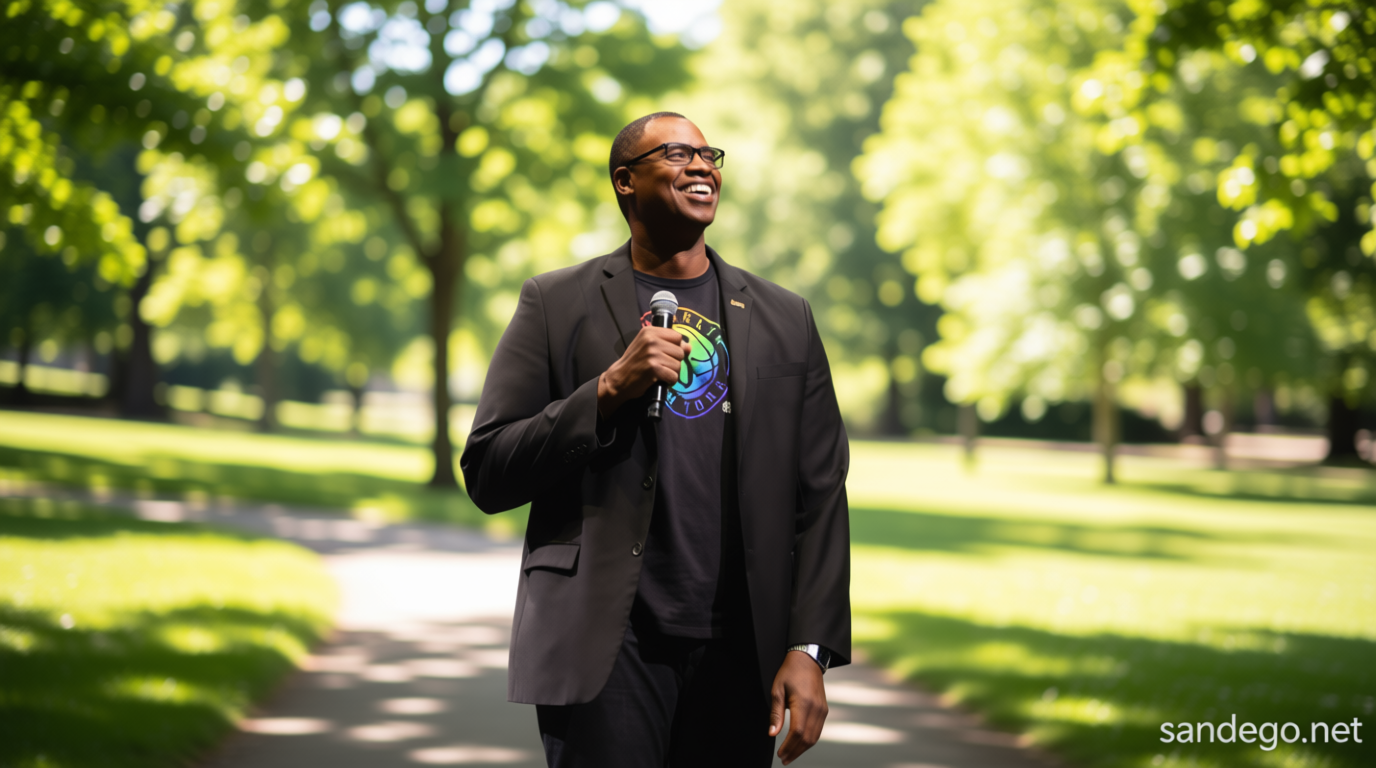
Sandego.net – Jason Collins opened a door. More than a decade after his historic coming out, the legacy of this milestone continues to shape the experiences of LGBTQ athletes in professional sports. In 2013, Collins became the first openly gay player in the NBA, a moment that not only redefined sports inclusivity but also sparked conversations about the ongoing challenges faced by LGBTQ individuals in athletics. His passing in May 2026, following an eight-month battle with stage 4 glioblastoma, has prompted renewed reflection on the progress made and the work that remains. While Collins’ courage was pivotal, many LGBTQ athletes still navigate a world where visibility carries both promise and peril.
A Trailblazer’s Courage and Influence
Collins’ decision to publicly declare his sexuality in 2013 was a bold step in a male-dominated league. At the time, his announcement was met with a mixture of admiration and doubt, symbolizing the shift from secrecy to acceptance in sports. By stepping forward, he created a space for others to follow, proving that authenticity could coexist with athletic excellence. His personal journey, marked by resilience and advocacy, has become a touchstone for progress in LGBTQ inclusion. Even as he shared his battle with cancer and the support of his husband, Brunson Green, in 2025, Collins remained a symbol of perseverance.
The ripple effect of Collins’ openness extended beyond the basketball court. His work with the NBA’s LGBTQ initiatives helped foster a culture of inclusion, influencing policies and training programs for future athletes. Hudson Taylor, founder of Athlete Ally, highlighted how Collins’ presence empowered others to embrace their identities. “He showed that being open doesn’t mean you have to lose your place in sports,” Taylor remarked. The NBA’s 2017 All-Star Game relocation from North Carolina, partly due to Collins’ advocacy, underscored the league’s growing commitment to LGBTQ rights. Yet, as Taylor noted, institutional support alone does not guarantee a safe environment for all.
“Jason Collins opened a door. It’s not about the door itself, but whether the room is ready to welcome whoever steps through.”
Transgender athletes, in particular, face unique hurdles in the sports world. Chris Mosier, an eight-time Team USA competitor, described Collins as a “big brother” and a source of strength. “His impact is felt in every locker room,” Mosier said, emphasizing Collins’ role in normalizing LGBTQ identity among athletes. Despite his achievements, Collins’ story reveals the complex balance between visibility and safety. For many, the act of coming out is a calculated risk, where personal authenticity must align with professional ambitions.
Legacy Beyond the Court
Collins’ influence is not confined to sports history books. His legacy lives on in the lives of athletes who continue to navigate a landscape where acceptance is still evolving. Hudson Taylor pointed out that while the NBA has made strides, other leagues and organizations lag behind. “The conversation around LGBTQ inclusion isn’t just about policies—it’s about culture,” Taylor explained. This culture includes the way teams and coaches respond to openly LGBTQ players, the support systems in place, and the societal expectations that linger. Collins’ contributions helped shift the narrative, but challenges persist, especially for athletes in men’s sports.
Charles Barkley, the iconic NBA commentator, echoed this sentiment after Collins’ death. “Anybody who thinks we ain’t got a bunch of gay players in all sports, they’re just stupid,” Barkley said. His words affirm the reality that LGBTQ athletes are now more visible than ever, yet their journey is far from complete. Collins’ courage was a catalyst, but the ongoing struggle for acceptance requires continued advocacy. As new generations of athletes step into the spotlight, the question remains: How far have we truly come, and what more must be done to ensure every individual feels safe to walk through the door he first opened?