
Jason Collins, NBA’s first openly gay player, dies at 47 of brain tumor
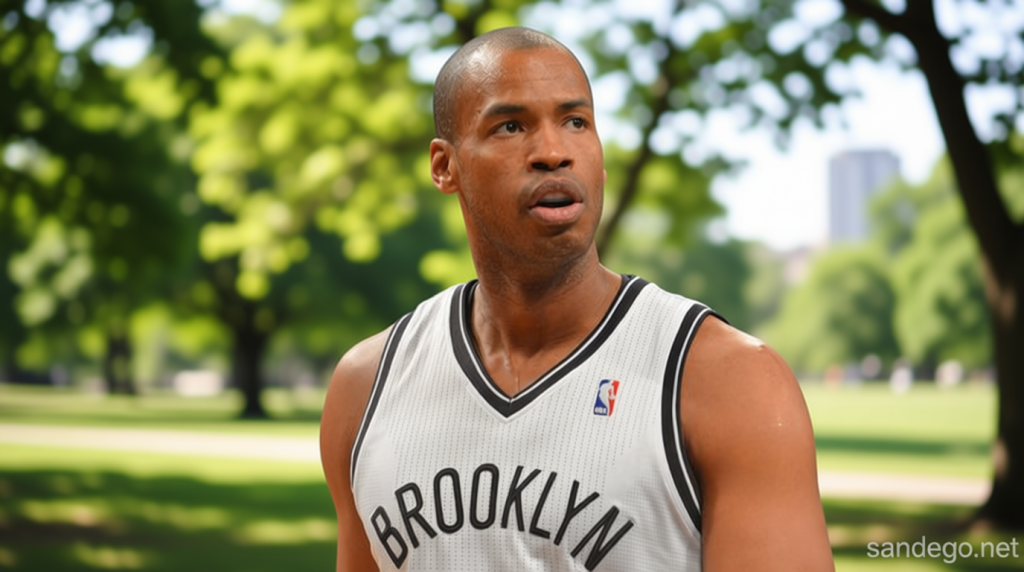
Jason Collins, NBA’s First Openly Gay Player, Dies at 47 from Brain Tumor
Jason Collins NBA s first openly – Jason Collins, the NBA’s first openly gay player, who later became a trailblazer for diversity and a symbol of representation, passed away following an eight-month struggle with a malignant brain tumor, as shared by his family on Tuesday. His death marks the end of a career that spanned 13 seasons across six different franchises and left an indelible mark on the league and the broader sports community. Collins revealed his sexuality in 2013, a moment that resonated globally and redefined the narrative around inclusion in professional basketball.
A Legacy of Courage and Kindness
Collins’ family released a heartfelt statement, reflecting on his life and the profound influence he had on others. “Jason changed lives in unexpected ways and was an inspiration to all who knew him and to those who admired him from afar,” they wrote. The message highlighted his role as a compassionate figure whose presence brought warmth and strength to those around him. Despite his illness, Collins remained a beacon of hope, with his loved ones expressing gratitude for the support he received during his journey.
Collins’ final chapter in the NBA began in 2013, when he publicly announced his sexual orientation. The decision, which came toward the end of his playing career, was met with widespread acclaim. Star athletes, including Kobe Bryant, swiftly voiced their admiration for his bravery. The support extended beyond sports, with the White House and former President Bill Clinton also championing his courage. Clinton’s daughter, Chelsea, had attended Stanford University with Collins, where the two became close. At Stanford, Collins shared a dorm with Joe Kennedy III, a member of another prominent political family who represented Massachusetts in Congress for eight years.
Collins’ revelation in 2013 was a pivotal moment in sports history, paving the way for future generations of LGBTQ+ athletes. He once wrote, “If I had my way, someone else would have already done this. Nobody has, which is why I’m raising my hand.” The quote captured his determination to be a voice for change, even as he continued to play at the highest level. His career stats, which included an average of 3.6 points and 3.7 rebounds, may not have reflected the magnitude of his impact, but they underscored his consistent contributions to the game.
Breaking Barriers and Building Bridges
Throughout his 13-year NBA career, Collins exemplified both resilience and professionalism. His role as an NBA Cares Ambassador further showcased his commitment to fostering unity and respect within the league. “Jason Collins’ impact and influence extended far beyond basketball as he helped make the NBA, WNBA and larger sports community more inclusive and welcoming for future generations,” stated NBA Commissioner Adam Silver. The commissioner’s words emphasized the lasting legacy Collins left, not only in the arena but also in the hearts of those who followed his journey.
Collins’ decision to come out was transformative, and it opened doors for others to express their identities without fear. His career spanned the New Jersey Nets, Washington Wizards, and Brooklyn Nets, with standout performances on the hardwood. In his best season, he averaged 6.4 points and 6.1 rebounds for the Nets, a testament to his skill and dedication. Beyond the court, his advocacy work continued to shape the sports landscape, proving that his influence was as powerful off the field as it was on it.
Collins’ final days were marked by both challenges and moments of reflection. He was diagnosed with Stage 4 glioblastoma, a rare and aggressive form of brain cancer known for its difficult prognosis. The disease gradually eroded his strength, but Collins faced each day with courage. Just weeks before his passing, he received the inaugural Bill Walton Global Champion Award at the Green Sports Alliance Summit, an honor that recognized his efforts to promote inclusivity. His twin brother, Jarron Collins, a former NBA player, accepted the award on his behalf, sharing a personal anecdote about their bond. “I told my brother this before I came here: He’s the bravest, strongest man I’ve ever known,” Jarron said, underscoring the unique connection between them.
Stanford Roots and Basketball Triumphs
Before his NBA career, Collins’ journey began at Stanford University, where he played college basketball and made history in his own right. He wore jersey No. 98 during his final three seasons with the Cardinal, a choice that paid homage to Matthew Shepard, a gay college student in Wyoming who was tragically killed in 2000. Collins’ selection of the number symbolized his commitment to honoring the struggle for LGBTQ+ rights, even as he focused on his own path. In one game with the Nets, he donned the number 46 because that was the only available jersey at the time, a small but meaningful detail in his storied career.
At Stanford, Collins maintained an impressive shooting accuracy, making nearly 61% of his shots—a record that still stands today. His college achievements earned him an honorable mention on The Associated Press’ All-America team in 2001, a year that also saw him drafted by the Houston Rockets with the 18th pick. The transition from collegiate to professional basketball was seamless for Collins, who brought the same work ethic and determination to the NBA. His time with the Nets, in particular, was highlighted by his contributions to the team’s success, as they advanced to the NBA Finals twice during his tenure.
Collins’ story is one of perseverance and pride. While his public coming out in 2013 was a defining moment, it was the foundation of his long-standing advocacy for equality. Before the announcement, he had kept his feelings about gay rights private, but the visibility of his peers, like Joe Kennedy III, during Boston’s Pride Parade in 2012 inspired him to step forward. “Jason Collins’ impact and influence extended far beyond basketball as he helped make the NBA, WNBA and larger sports community more inclusive and welcoming for future generations,” said Adam Silver, adding that his professional conduct and leadership were a source of inspiration for all.
A Personal Touch in a Professional World
Collins’ life was defined by a blend of personal integrity and professional excellence. His ability to connect with teammates and fans alike made him a beloved figure in the NBA. Even in his final days, his presence was a reminder of the kindness and humanity that characterized his life. As the league mourns his passing, the memories of his contributions, both on and off the court, will continue to inspire those who seek to build a more inclusive world. “We all have great memories of Jason and the kind of person he was,” noted former Stanford coach Mike Montgomery, who spoke of Collins’ impact on the university’s basketball program. “It’s hard to separate Jarron and Jason because they thought so alike, but even though he was an identical twin, Jason was unique in his own way.”
Collins’ passing leaves a void in the sports community, but his legacy remains steadfast. His journey from a quiet college player to a celebrated pioneer in the NBA is a testament to the power of individual courage. As the NBA honors his life, it is clear that Jason Collins will be remembered not only for his achievements but also for the compassion and strength he brought to every aspect of his life. His story continues to echo, reminding us of the importance of representation and the enduring impact of those who dare to be different.
