How the NBA Finals and World Cup Could Combine for a Commuting Catastrophe
Sandego.net – The FIFA World Cup is a rare opportunity for the United States to host the world’s most anticipated sporting event, drawing global attention to American cities and showcasing the nation’s capacity to manage large-scale gatherings. But for New York Knicks fans, this opportunity might also spell chaos. On June 16, the convergence of two major events—the World Cup and the NBA Finals—could create a logistical nightmare, forcing basketball supporters to navigate an unprecedented transit crisis.
A Collision of Crowds and Schedules
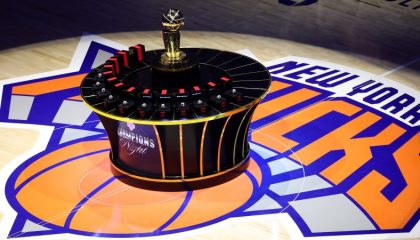
Imagine the frustration of a Knicks fan who has waited nearly three decades for a chance to witness their team’s return to the NBA Finals. The date in question, June 16, marks a pivotal moment for the franchise, as it would be their first appearance in the championship series since 1999. The stakes are high, with the potential to secure a title for the first time in 53 years. Yet, on this day, the fans might find themselves battling through a sea of World Cup supporters, creating a scenario that feels more like a traffic jam than a sports spectacle.
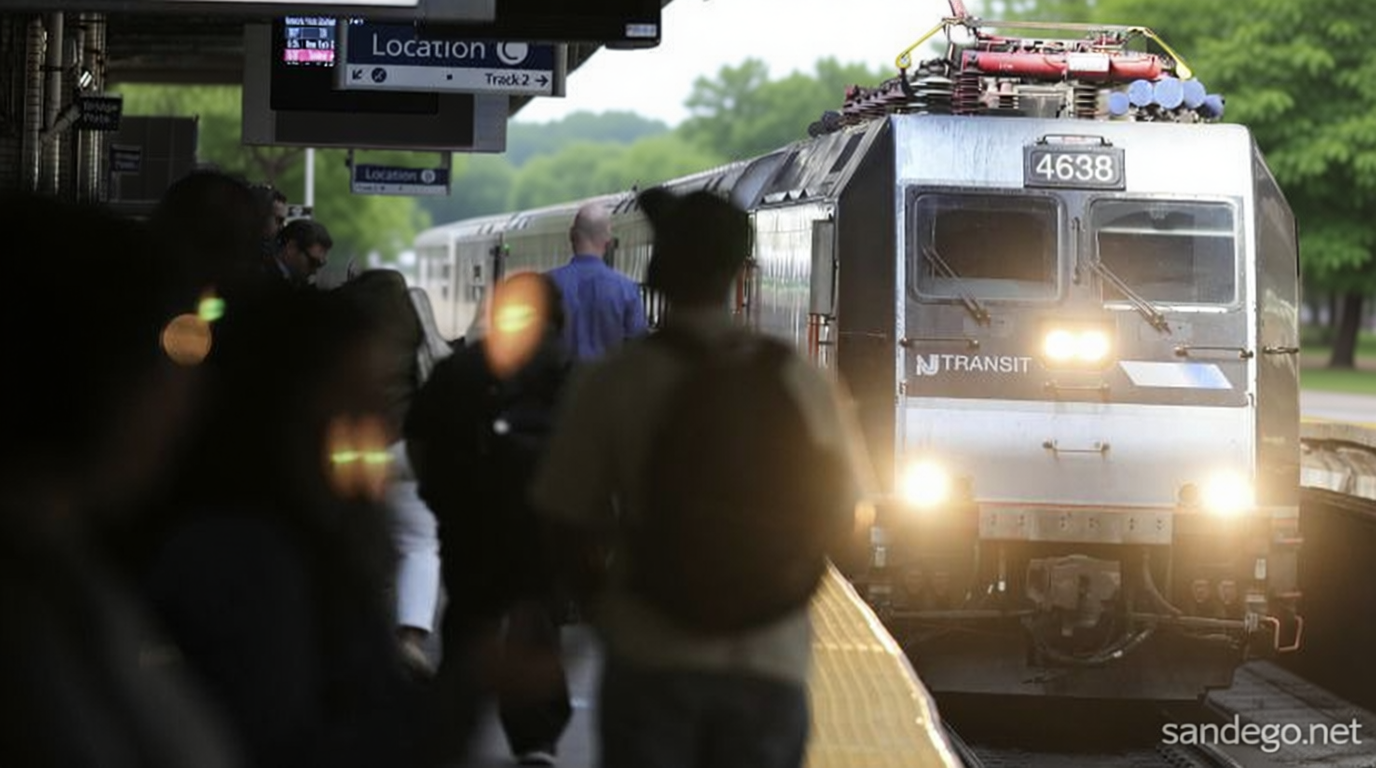
NJ Transit officials have introduced a controversial plan to manage the crowds, halting all outbound trains from New York four hours before the World Cup games kick off in MetLife Stadium. This decision aims to ease the strain on the city’s railways and prioritize security during the high-profile matches. However, the timing of this disruption coincides with the Knicks’ Game 6, scheduled for 8:30 p.m. ET. The effect is a double-edged sword: while it reduces pressure on the transit system, it leaves Knicks fans stranded, forced to contend with an influx of World Cup supporters who are eager to escape the city after their matches.
The World Cup’s group stage game between France and Senegal on June 16 at 3 p.m. ET is expected to draw massive crowds. To accommodate this, NJ Transit has restricted access to Penn Station for fans without World Cup tickets from 11 a.m. ET until the match begins. This measure, while practical for managing flow, has left many Knicks supporters scrambling. As the game concludes, the same restrictions will be in place for three hours, locking out fans who want to head back to the city for Game 6. The result is a battle over limited train capacity and a scramble for the few available routes.
The Legacy of Penn Station and Its Impact on Transit
While the current transit chaos is a recent development, its roots trace back to the 1960s. In 1963, New York City demolished the original Beaux Arts Penn Station, replacing it with a sprawling modern complex. This move was met with widespread criticism, as architectural historians lamented the loss of a once-majestic landmark. A Yale scholar once described the old station as “a place where one entered the city like a God,” while Vincent Scully, a noted architectural critic, remarked that the new version felt “like a rat scuttling in from the shadows.”
“One entered the city like a God.” – Architectural historian from Yale
“One now scuttles in like a rat.” – Vincent Scully
The reconstruction of Penn Station allowed developers to reposition Madison Square Garden, moving it to a location above the rail lines. This strategic placement has created a unique blend of sports and transit, but it also means that the Garden is now deeply intertwined with the city’s transportation network. For Knicks fans, the new station’s design might seem like an inconvenience, but it has also made accessing the arena more direct. However, during the World Cup, the same design could become a liability, as the influx of fans overwhelms the system.
Alternative Routes and Unforeseen Challenges
Despite the disruption, NJ Transit has offered a partial solution. Fans with World Cup tickets can use the PATH rail system to travel from Newark Penn Station and Hoboken Terminal to 33rd Street Station in New York. This route, though not as convenient as the original Penn Station, is just a short walk from the Garden. For those without World Cup tickets, the situation is more complicated. Knicks fans attempting to reach the city from Newark must switch trains at Journal Square, adding approximately 42 minutes to their commute. PATH trains, which are smaller and more akin to subway cars than regional rail, are also prone to overcrowding, especially during peak hours.
The PATH system’s website has already warned fans about the challenges ahead. The disclaimer reads: “During the FIFA World Cup this summer, streets and trains will be much busier. Allow extra time on match days.” While this advice is practical, it doesn’t fully address the conflict between the two events. The timing of the World Cup games in New Jersey seems almost designed to clash with the NBA Finals, creating a situation where the most passionate sports fans in the country are forced to compete for the same resources.
For the Knicks, this clash is particularly ironic. The team’s last championship came in 1973, the same year the rebuilt Penn Station opened. The stadium, once a symbol of New York’s sports dominance, now sits in the shadow of a transit system that has struggled to adapt to modern demands. The World Cup, with its global appeal, has brought a new wave of travelers to the city, but the timing of these events has left a segment of the population—local basketball fans—frustrated and inconvenienced.
A Potential Solution and Its Limitations
While NJ Transit’s plan may mitigate the immediate crisis, it doesn’t fully resolve the underlying issue. The system’s decision to prioritize World Cup fans over Knicks supporters highlights a broader challenge: balancing the needs of different crowds during overlapping events. For Knicks fans, the solution is to adjust their schedules or rely on the PATH system, which, though not perfect, provides an alternative route. However, the added time and effort required to navigate the PATH could dampen the excitement of the final game, especially for those who have endured years of anticipation.
Experts argue that the decision to restrict transit access from New Jersey to New York on June 16 was made without considering the full scope of the NBA Finals’ impact. The World Cup, while significant, is a single-day event, whereas the NBA Finals represent a multi-day spectacle that could affect the city’s transportation for weeks. NJ Transit’s approach, which has been described as “unavoidable” by some, still leaves room for criticism. The agency has not provided a clear justification for the timing of the restrictions, and the lack of coordination with the NBA’s schedule has sparked debate among commuters and fans alike.
Ultimately, the situation underscores the challenges of managing urban infrastructure in the face of high-profile events. While the World Cup and NBA Finals are both monumental in their own right, their scheduling has created an unintended conflict. For Knicks fans, the experience of trying to reach the Garden on June 16 might feel like a modern-day version of the transit struggles that once plagued the city’s rail system. Yet, even in this chaos, there is a glimmer of hope: the plan, while imperfect, is a step toward addressing the problem, and the city’s ability to adapt could serve as a lesson for future large-scale events.
As the summer approaches, the tension between these two sporting events will only grow. The World Cup’s presence in New Jersey has already transformed the local transit landscape, and the NBA Finals could add another layer of complexity. Whether this combination is seen as a logistical disaster or a unique opportunity for fans to experience the city’s dual passions for soccer and basketball remains to be seen. For now, the streets of New York will be filled with a mix of cultures, a reminder that even in the most chaotic moments, the spirit of sports can bring people together—though not always in the way they expect.