What the Iran War Cost the Pentagon, the Economy — and Trump
Financial Toll on the Department of Defense
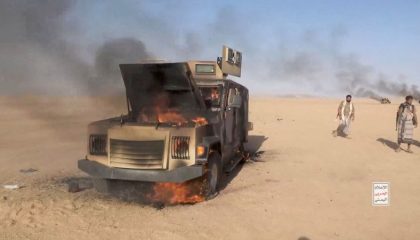
Sandego.net – The Department of Defense’s expenses have reached approximately $40 billion, according to preliminary figures from an upcoming analysis by the Center for Strategic and International Studies. This figure accounts for munitions, damaged equipment, and base repairs but excludes operational costs that were already embedded in the Pentagon’s more than $1 trillion fiscal year 2026 budget, explained Mark Cancian, a senior adviser at CSIS. The conflict’s financial impact is expected to grow as supplemental funding requests are finalized, with two US government sources confirming that the Pentagon has sought an additional $80 billion. However, less than $20 billion of that amount directly relates to the war, as noted by one official. The rest covers broader military needs, including facilities maintenance and regional basing costs.
Trumps’ Bold Claims and the Reality
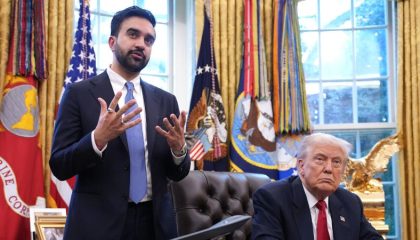
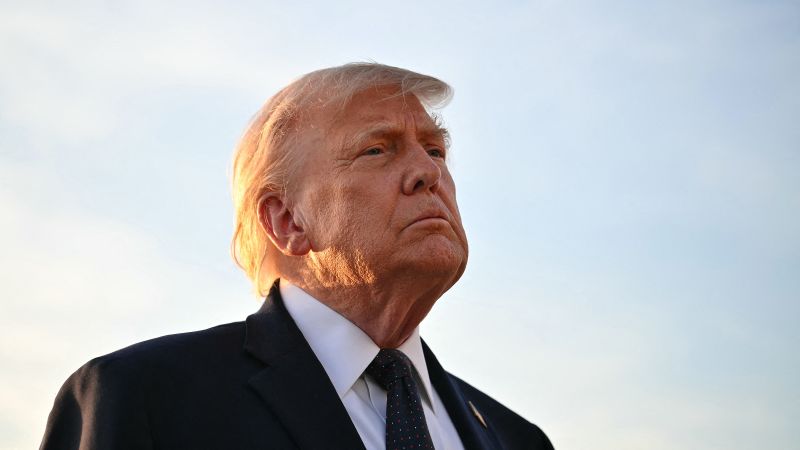
Despite the conflict’s ongoing costs, President Donald Trump has framed the situation as a victory, emphasizing the benefits of his recent memorandum of understanding. “YOU’RE WELCOME!” he posted on Thursday, highlighting his strategy as a path to success. The president’s message includes points such as “OIL IS FLOWING,” “IRAN CAN NEVER HAVE A NUCLEAR WEAPON,” and “THE STOCK MARKETS ARE ROARING.” These assertions, however, contrast with the more complex picture emerging from data analysis. Over 100 days into the war, the loss of 13 American service members and more than 7,500 civilian lives in the region has raised questions about the true cost of the operation.
“OIL IS FLOWING, IRAN CAN NEVER HAVE A NUCLEAR WEAPON (THE WORLD WILL BE SAFE!), THE STOCK MARKETS ARE ROARING, JOBS ARE AT RECORDS, AND PRICES ARE DROPPING (AFFORDABILITY!),” Trump said, underscoring his belief in the war’s positive outcomes.
Impact on Fuel Prices and Daily Life
The war has significantly affected fuel costs, with gas prices climbing from an average of less than $3 per gallon to over $4 across the country. This spike, attributed to disruptions in oil flow through the Strait of Hormuz, has placed a financial burden on American households, with the average cost now surpassing $3.97 a gallon. According to Brown University’s energy cost tracker, the average consumer has spent over $253 more than they would have in a stable market. While gasoline prices have recently dipped below $4, diesel prices remain elevated, costing over $5 per gallon as of June 15. This has disproportionately impacted farmers and shippers, who rely heavily on diesel for their operations.
Long-Term Effects on Agriculture and Energy Markets
Gasoline price increases are just one aspect of the economic ripple effects. The war has also driven up the cost of fertilizer, a critical input for US farmers. This surge could lead to long-term consequences for agricultural production, potentially affecting food supply chains and export revenues. Meanwhile, the broader energy market has seen shifts, with the nation’s emergency oil reserve reaching its lowest level since 1983. The reserve, stored in salt caverns along the Gulf Coast, has been drained by both the Biden and Trump administrations. The Trump-era depletion was linked to the conflict, while the Biden administration’s actions were tied to Russia’s war in Ukraine.
War’s Influence on the Economy
Experts warn that the economic impact of the war extends beyond immediate costs. Brown University’s analysis reveals that Americans have spent nearly $27.1 billion extra on diesel due to the price surge. This highlights the interconnected nature of global energy markets, where US production alone cannot offset worldwide supply disruptions. Trump’s policy of prioritizing fossil fuel drilling has faced a test, as higher fuel prices undermine his narrative of affordability and economic strength. While the US remains a top oil and gas producer, the war has exposed vulnerabilities in the system, particularly in regions dependent on Middle Eastern imports.
Strategic and Budgetary Adjustments
The war’s financial implications are also shaping strategic priorities. The Defense Production Act, invoked by Trump in early June, aimed to accelerate weapon manufacturing, ensuring the military had sufficient resources for prolonged operations. However, the cost of munitions has become a focal point, with experts noting the extensive use of high-end weaponry. For example, the US deployed around a thousand Tomahawk missiles, each costing approximately $2.5 million. Cancian highlighted that the military has drawn heavily from its key missile inventory, raising concerns about long-term readiness and stockpile sustainability.
Global Context and Future Outlook
While the war has concluded temporarily, its effects linger. The Department of Defense’s $40 billion expenditure represents a fraction of its annual budget, but it underscores the financial strain of maintaining combat operations. The Pentagon’s supplemental funding request reflects the need to replenish supplies and address infrastructure damage. Analysts suggest that the war’s cost will be compounded by inflationary pressures, with the energy sector remaining a central battleground. As oil traffic resumes through the Strait of Hormuz, prices are expected to stabilize, though it may take weeks for the market to fully recover.
Broader Implications for US Policy
The conflict has also sparked debates about the balance between military action and economic stability. Trump’s emphasis on national strength and affordability contrasts with the reality of rising fuel costs and military expenditures. The war’s impact on the economy serves as a reminder of the trade-offs involved in foreign policy decisions. While the US has managed to maintain its position as a global energy leader, the financial toll of the Iran war highlights the challenges of sustaining both military and economic objectives in a rapidly changing world.
As the situation evolves, the long-term effects of the war will continue to shape discussions on defense spending, energy independence, and international relations. The Pentagon’s request for additional funding signals ongoing needs, while the depletion of the emergency oil reserve underscores the strain on domestic resources. The path to recovery will depend on how quickly the market adjusts and whether the war’s costs can be mitigated through policy and international cooperation.