What happened to the Trump administration’s in-your-face mass deportations?
Sandego.net – After a dramatic shift in public perception following high-profile confrontations in Minneapolis, the Trump administration has adopted a more discreet approach to its deportation policies. The events that unfolded there in early 2026, marked by federal agents confronting demonstrators in a tense standoff, prompted a reevaluation of how immigration enforcement is conducted. While the core objectives of the administration’s strategy remain intact, the methods used to implement them have evolved significantly. This change is reflected in the departure of key officials associated with the administration’s aggressive tactics and the new leadership dynamics shaping its immigration agenda.
The Minneapolis Turning Point
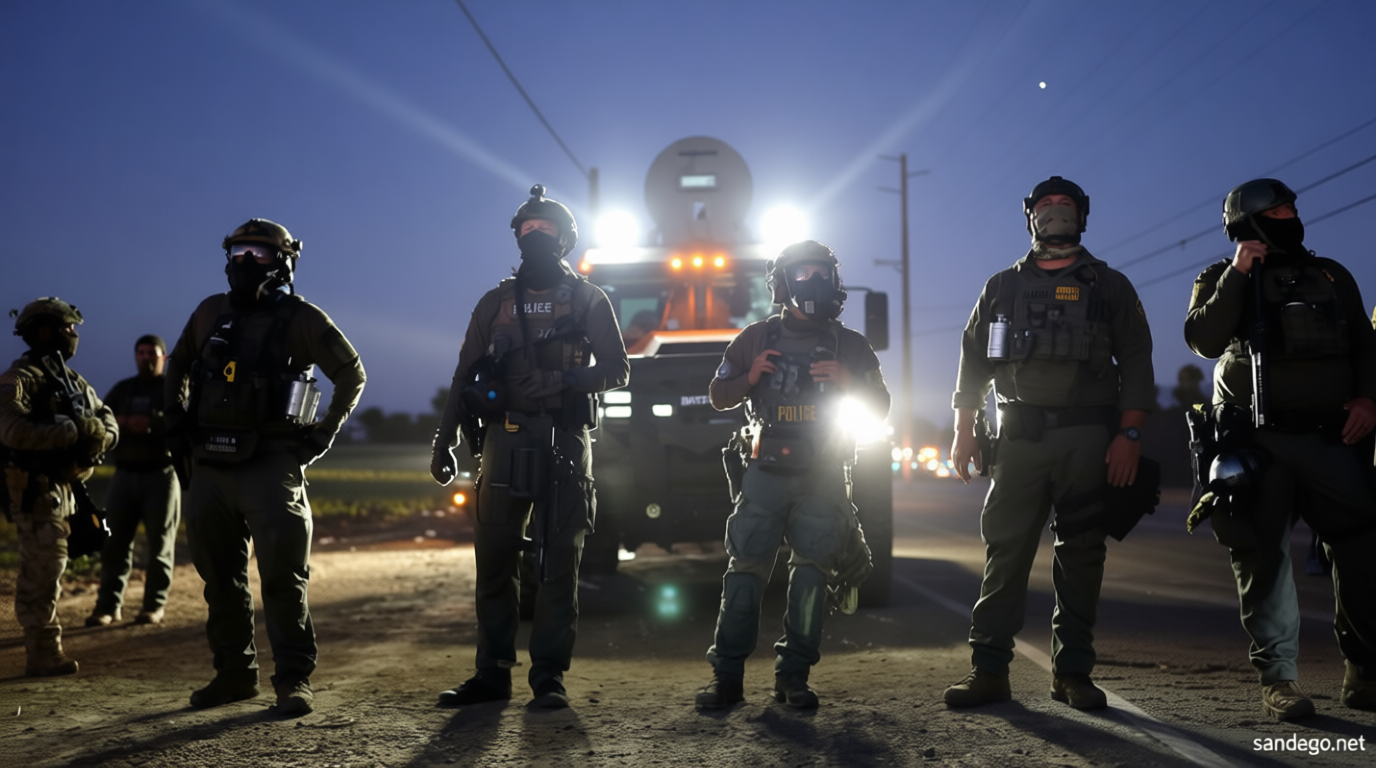
The Minneapolis incident became a pivotal moment for the administration’s deportation policies. Video footage of masked agents engaging with protesters, some of whom were U.S. citizens, sparked widespread outrage and fueled criticism of the federal approach. At the heart of this transformation was the arrival of Tom Homan, the White House Border Czar, who was dispatched to address the situation. His presence marked a departure from the previous leadership, which had been characterized by its high-profile, confrontational style.
“In the months since Minneapolis, it seems like there’s been a real change in how the administration is pursuing its mass deportation policy,” said Wolf. “What has happened?”
Alvarez explained that Homan’s appointment signaled a recalibration. Prior to this, the enforcement style was defined by figures like Gregory Bovino, a former top Border Patrol official known for his assertive tactics. Under the leadership of then-Homeland Security Secretary Kristi Noem, these methods were amplified, with a focus on visibility and public demonstration. However, the Minneapolis episode revealed the risks of such an approach, leading to a more subdued strategy.
The Shift in Enforcement Style
Since the Minneapolis incident, the administration has transitioned from a high-visibility enforcement model to one that operates with greater discretion. While the underlying policies have not changed, the way they are executed has become more subtle. For instance, the once-frequent social media posts showcasing dramatic raids and arrests have diminished, replaced by a quieter, more understated approach. This shift has allowed agents to continue their work without the same level of public scrutiny.
“The substance of the policies has not changed. They are still being aggressive in arresting undocumented immigrants nationwide, but the way in which it’s done and the way that they showcase it has changed,” Alvarez noted.
Although the aggressive enforcement continues, the public narrative has shifted. The administration now emphasizes efficiency and discretion, often avoiding the dramatic confrontations that defined earlier years. This change has led to a more streamlined operation, with fewer high-profile incidents. Yet, the core of the policy—targeting undocumented immigrants—remains unchanged, ensuring that the government’s broader objectives are still met.
Leadership Dynamics and Policy Direction
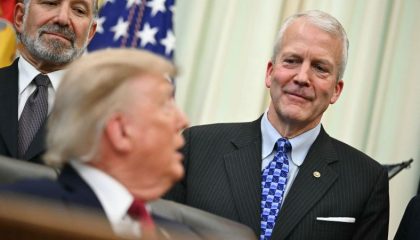
The transition in leadership has played a crucial role in this shift. Gregory Bovino, who had been a central figure in the Border Patrol’s enforcement strategies, retired shortly after the Minneapolis events. Kristi Noem, who had previously supported Bovino’s methods, was replaced by Markwayne Mullin, a new Secretary of Homeland Security. This change has fostered a more collaborative relationship between Homan and Mullin, aligning their priorities and ensuring a cohesive enforcement approach.
“The way to think about this is, first of all, Tom Homan is a veteran law enforcement official. He worked at Immigration and Customs Enforcement for many, many years, for Republican and Democratic administrations,” Alvarez explained.
Homan’s experience has allowed him to refine the administration’s strategy, focusing on targeted enforcement that prioritizes individuals with criminal histories. However, he has also retained the flexibility to pursue undocumented immigrants without prior convictions. This targeted approach, while more measured, still reflects the administration’s commitment to mass deportation. Meanwhile, Stephen Miller, the White House deputy chief of staff, continues to drive the broader immigration agenda, ensuring that policies across multiple departments align with the administration’s goals.
Controversial Tactics Still in Play
Despite the more subdued enforcement style, the controversial tactics that once dominated the administration’s approach persist. Agents are still seen wearing masks during operations, a practice that drew criticism in the lead-up to the Minneapolis incident. Additionally, enforcement actions near schools and other community hubs remain a point of contention, as they can disrupt daily life and raise concerns about the treatment of immigrants.
“Are immigration and border officials still doing the things that were so controversial months ago, like wearing masks, targeting people near schools, things that rubbed Americans the wrong way in the lead up to Minneapolis? Is that still going on?” Wolf asked.
Alvarez confirmed that these tactics are still in use, though their public visibility has decreased. Homan, who has been instrumental in shaping the current enforcement model, acknowledges that the focus has shifted from spectacle to strategy. However, the underlying practices remain consistent, ensuring that the administration’s goals of reducing the undocumented population continue to be met. This balance between discretion and aggression has allowed the policy to remain effective while mitigating some of the backlash that previously threatened its momentum.
The Minneapolis events acted as a catalyst for this transformation, forcing the administration to adapt its methods without compromising its core mission. While the public face of deportation has become less confrontational, the reality on the ground remains unchanged. The continued use of aggressive tactics, albeit in a more hidden manner, underscores the persistence of the Trump administration’s immigration policies. As the government refines its approach, the challenge lies in maintaining effectiveness while navigating the evolving political landscape.