Trump Blocks Housing Legislation Amid Senate Standoff
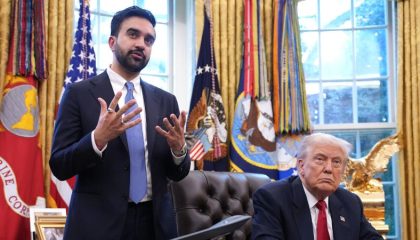
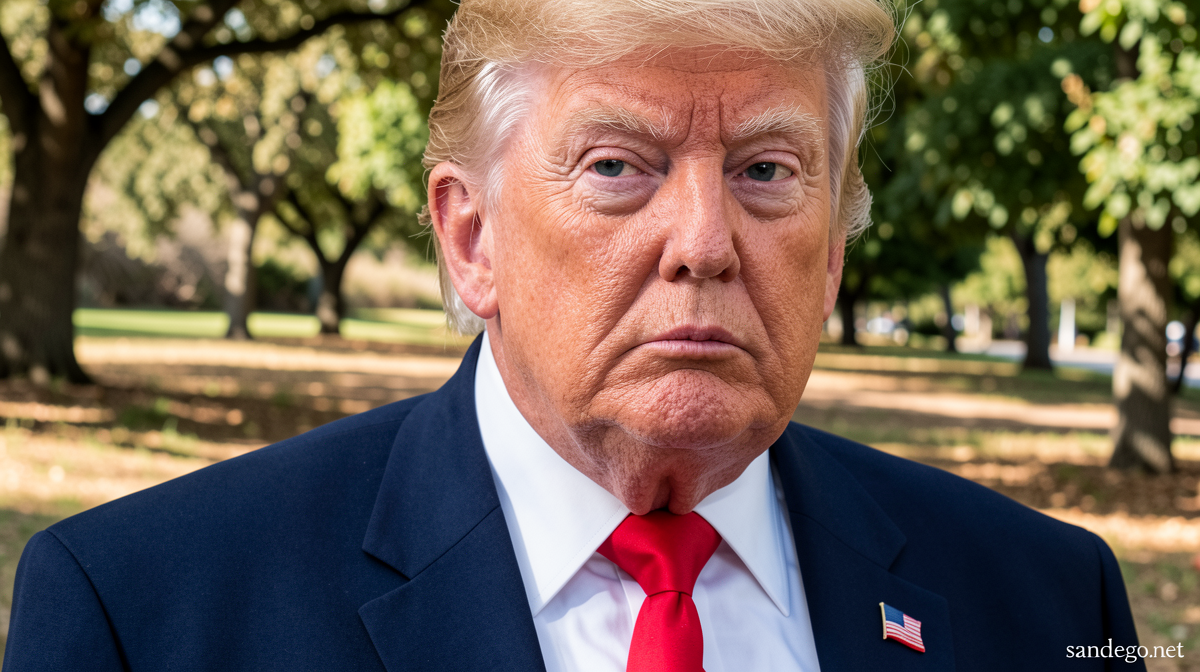
Sandego.net – President Donald Trump announced on Friday that he will withhold his signature from a bipartisan housing package, using the opportunity to protest Republican failures in advancing separate electoral reform measures. This decision delivers a significant political setback for vulnerable members of his own party who had invested considerable effort into securing the legislation. Despite the president’s refusal to endorse it, the housing bill is scheduled to automatically become law at midnight without requiring his approval.
Republican leaders had initially envisioned this moment as a landmark economic accomplishment, hoping to showcase the achievement before midterm elections that are anticipated to center on Americans’ mounting concerns about living expenses. Rather than celebrating, the comprehensive legislation will move forward with minimal presidential enthusiasm from a leader who has characterized the housing package as “a yawn” and “so unimportant” when compared to electoral reform efforts. These competing priorities include provisions for voter identification and citizenship verification requirements.
“I will not sign the Housing Bill, which has been fully approved by Congress and sent to the White House, in PROTEST over the fact that the United States Senate is not capable of passing THE SAVE AMERICA ACT,” Trump wrote on Truth Social.
The president reiterated his demand that Senate Republicans eliminate the filibuster procedure to facilitate the advancement of electoral legislation alongside other Republican objectives. He cautioned that Democratic lawmakers would employ identical tactics should they eventually regain control of the Senate chamber. This development highlights an extended period of frustration for Republican legislators who spent months negotiating with Democrats to create what represents the most substantial housing affordability legislation in decades—only to witness their unpredictable leader reject it at the eleventh hour over unrelated grievances.
The situation also illuminates growing difficulties confronting the Republican Party as midterm elections approach in approximately four months. These elections are expected to revolve around an affordability emergency that Trump has consistently minimized while emphasizing his personal policy priorities. Stephen Moore, an external economic advisor to the president, expressed uncertainty about the tactical reasoning behind the delay. “I’m not sure how holding this bill hostage is going to move this other bill,” Moore remarked during the period leading up to Trump’s announcement. “I don’t know what the strategy is there.”
Democratic politicians quickly utilized Trump’s refusal to sign the housing legislation as proof that the president fails to prioritize cost-of-living issues. Massachusetts Senator Elizabeth Warren, who served as a key negotiator for the legislation, criticized the decision on social media. “Donald Trump cares so little about bringing down YOUR housing costs that he’s refusing to sign the biggest housing bill in 30 years,” she stated on X.
Republican officials had originally scheduled an elaborate signing ceremony on Capitol Hill for June. The bipartisan agreement received overwhelming support, providing GOP legislators with a hard-won economic triumph that many considered essential for demonstrating to voters that the party possessed concrete solutions for addressing financial pressures. However, Trump, frustrated by Senate Republicans’ reluctance to prioritize electoral reform efforts, suddenly withdrew from the ceremony just hours before it was to begin.
Senate Republican leadership has cautioned Trump that the electoral legislation lacks comprehensive backing within the Republican caucus and falls significantly short of the sixty votes necessary for passage through the chamber. The canceled ceremony triggered urgent efforts to persuade Trump to support the housing bill, with House Speaker Mike Johnson making several trips to the White House to advocate for its merits. Johnson ultimately forwarded the legislation after these meetings convinced him that Trump would not issue a formal veto, initiating a ten-day period during which the bill would become law regardless of presidential action.
Nevertheless, Trump has demonstrated minimal enthusiasm for legislation that Republican lawmakers and certain White House personnel regarded as the cornerstone of the party’s affordability strategy. Following Johnson’s transmission of the bill, Trump indicated he remained uncertain about signing it and minimized its significance relative to his voter identification initiatives. “Big deal,” he told reporters at that time. “It’s a yawn.”
Trump has also consistently questioned the legislation’s value, contending that reduced interest rates would accomplish more toward increasing housing availability than any provisions contained within the bill. He has simultaneously raised concerns that the agreement made excessive concessions to Democratic lawmakers in order to secure their support. In his Friday Truth Social message, Trump once again avoided directly addressing the housing bill beyond his declaration that he would not sign it, choosing instead to launch another critical message toward Republican legislators whose electoral performance will determine whether he maintains his congressional majority.
If the GOP fails to act on his elections