Judge Denies Request to Block UFC Fight at White House
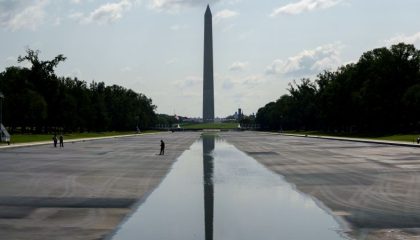
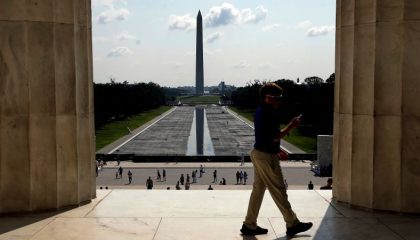
Sandego.net – A U.S. federal judge has denied a motion from two Virginia residents seeking to prevent President Donald Trump from hosting a UFC fight at the White House this weekend. The decision, issued on Friday afternoon by U.S. District Judge Amit P. Mehta, came in response to a lawsuit filed by the plaintiffs, who argued that the privately organized event should not be held on the South Lawn of the White House or the Lincoln Memorial. These locations are set to host part of the event on Friday, with the main fight scheduled for Sunday. Mehta concluded that the plaintiffs lacked the legal standing necessary to challenge the event, meaning he did not rule on its legality but acknowledged the administration’s claim that halting the event would cause significant disruption.
The case centers on the plaintiffs’ assertion that the White House’s use of federal spaces for the fight violates certain permitting requirements. They cited a federal rule that allows events celebrating the 250th anniversary of American Independence to bypass standard regulations. However, the plaintiffs contend that the event is not honoring the nation’s founding but instead serving as a celebration of Trump’s birthday, which coincides with the main fight date. The judge, in his ruling, emphasized that the plaintiffs failed to demonstrate a direct connection to the event’s impact, which is key to establishing standing in legal terms.
Plaintiffs’ Claims and Legal Challenges
The two plaintiffs, a political activist and a Vietnam War veteran, argued that the event should have undergone routine regulatory processes, such as an environmental assessment, before being approved. They pointed out that the fight is largely managed by private entities, including UFC and its affiliated organizations, and that the federal government’s role is limited to providing emergency services and logistical support. “The event is neither ‘for the celebration of the 250th anniversary of American Independence’ nor, crucially, being ‘planned, organized, and executed’ by the federal government,” their legal team stated in court documents.
“The potential loss of those dollars resulting from a last-minute, court-ordered stoppage cannot be ignored.”
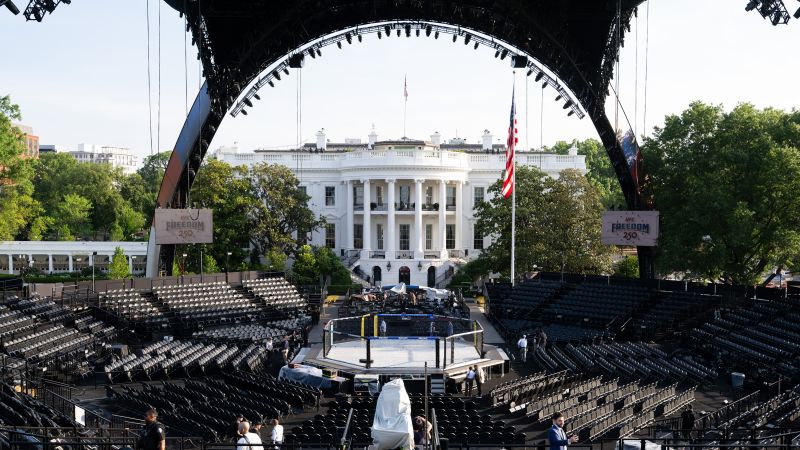
This statement from the judge underscores the financial stakes involved. The UFC event has already incurred over $60 million in production, labor, construction, and promotion costs, according to court filings. The federal government, meanwhile, is contributing to the event’s infrastructure, including the setup of a temporary structure referred to as the “claw” on the South Lawn. This structure is expected to host thousands of spectators, with estimates of 4,000 attendees on the South Lawn and over 120,000 on the Ellipse.
Despite the judge’s rejection of their bid, the plaintiffs continue to challenge the administration’s use of federal resources. Their argument hinges on the idea that the event is not a public celebration but a private venture leveraging the White House’s prestige to promote Trump’s interests. They also highlighted that Trump has reportedly invested in the parent company of UFC, suggesting a potential conflict of interest. “This event enriches the president by utilizing federal spaces for private gain,” the plaintiffs’ lawyers stated in their filings.
Administrative Defenses and Legal Context
The Trump administration defended the event in court, asserting that federal law does not mandate Congress to approve temporary structures on White House grounds. In a sworn declaration, White House management and administration director Joshua Fisher noted that the federal government’s involvement is minimal, primarily offering emergency services and support. “Temporary structures are ubiquitous on the White House grounds, erected for nearly every special event, yet nobody has ever before suggested that Congress needs to pass legislation for every concert tent or Easter egg roll kiosk,” argued Justice Department lawyers.
The administration also emphasized that the event’s organizers have taken full responsibility for its logistical and financial aspects. While the federal government provides essential services, such as law enforcement and medical support, the UFC and its partners are bearing the bulk of the costs. This distinction is critical to the plaintiffs’ claim that the event is not an official government activity but a private arrangement. However, the judge found that the plaintiffs’ arguments did not sufficiently establish their right to intervene, allowing the event to proceed as planned.
Implications and Pending Actions
With the judge’s ruling, the UFC fight is set to go ahead, but the case is not over. The administration has stated that workers will begin dismantling the “claw” structure starting Monday, indicating a readiness to move forward despite the legal challenge. The lawsuit, however, highlights broader questions about the use of federal spaces for private events and the extent to which the government can be held accountable for such decisions.
Legal experts note that the concept of standing is central to this case. To have standing, plaintiffs must show that they have been directly harmed by the defendant’s actions. In this instance, the judge determined that the two individuals did not suffer immediate or tangible damage from the event, as it is not yet held and its effects are not clearly tied to their interests. The ruling leaves the door open for further legal battles, as the plaintiffs may appeal or seek additional remedies.
The case also draws attention to the intersection of politics and public space. By hosting the event at the White House, the administration is using a symbol of national authority to support a private activity. This has sparked debate about whether such use is appropriate and whether it undermines the public’s expectation of transparency and oversight. The $60 million investment in the event, combined with the potential for federal resources to be utilized, adds to the controversy.
As the event approaches, the legal challenge serves as a reminder of the complexities surrounding the use of federal property. While the judge has given the green light for the fight to proceed, the case underscores the importance of clear regulatory frameworks and the need for accountability in how government spaces are allocated. The outcome may influence future decisions on similar events, setting a precedent for the balance between private interests and public rights.