Grand Juror Criticizes DOJ’s Chicago Protest Indictment as ‘A Crock’ in Public Transcripts
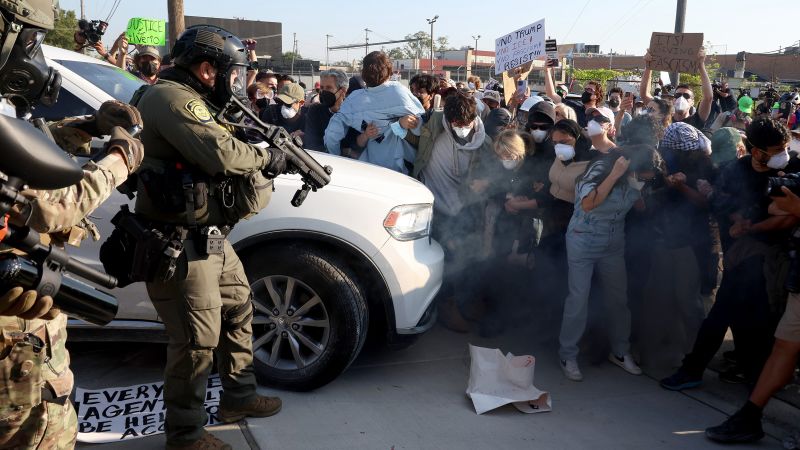
Sandego.net – The Justice Department’s politically charged indictment of six Chicago protesters, known as the “Broadview Six,” sparked internal doubt among jurors before its final approval, as revealed by newly released grand jury transcripts. These documents, disclosed after a federal judge permitted their release, expose concerns raised by a grand juror regarding the case’s fairness. The focus keyword, “Grand juror called DOJ s controversial,” appears repeatedly in the proceedings, underscoring the debate over whether the indictment was driven by evidence or political influence.
Early Skepticism and Rejected Indictment
During the October 2026 grand jury sessions, some jurors voiced skepticism about the case’s merits, particularly after the first attempt to secure an indictment was denied. A grand juror, who later expressed doubts about the prosecution’s strategy, questioned the Department of Justice’s persistence. “Do you have unlimited tries?” they asked prosecutors, highlighting the perception that the agency was retrying the case despite initial rejections. The transcripts suggest that this juror’s comments reflected a broader unease about the political implications of the charges.
“I heard this case like last week and I thought it was a crock of shit then and I still think it is,” an unnamed juror stated in the transcripts. This remark, made during the third week of hearings, aligns with reports that the grand jury had previously rejected the indictment, forcing prosecutors to revise their approach. The judge overseeing the case noted that the transcripts provide a rare glimpse into the deliberations, raising questions about the transparency of the process.
Prosecutors’ Defense and Process Manipulation
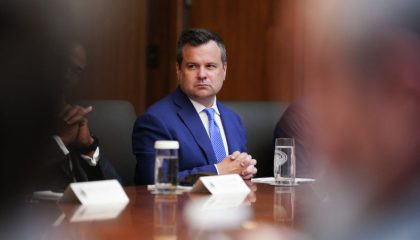
The US Attorney’s Office in Chicago, led by Andrew Boutros, faced criticism for its handling of the Broadview Six case. Defense attorneys and judges pointed to the transcripts as evidence of prosecutors pushing the indictment despite juror skepticism. One prosecutor, addressing the juror’s doubts, claimed the case had “substantial new facts,” though the transcripts show the same arguments were repeated across multiple sessions. This repetition has led to accusations that the prosecutors may have influenced the grand jury’s final decision through persistent advocacy.
Following the release of the transcripts, the US Attorney’s Office rushed to justify its actions. Boutros announced sweeping reforms, asserting that the office had “spent the last year righting the ship through substantial changes.” However, the documents reveal that a juror who opposed the case was removed shortly after the first rejection, fueling claims of manipulation. Legal analysts argue this action undermines the principle of impartiality in grand jury proceedings.
Political Considerations in Federal Prosecutions
The Broadview Six case has intensified scrutiny over the role of political considerations in federal prosecutions. A lower-level prosecutor, speaking during the October sessions, acknowledged the pressure to align with broader political narratives. “I do not want to touch politics with a ten-foot pole,” they admitted, suggesting the department may have prioritized messaging over evidence. The transcripts, however, show that the same arguments were presented multiple times, raising questions about the necessity of repeated submissions.
“These transcripts prove that the grand jury in the Broadview 6 case repeatedly attempted to say ‘no’ to this sham political indictment,” said Christopher Parente, a defense attorney. “The DOJ has violated the good faith foundation of the grand jury process to weaponize indictments and subvert the law.” Parente’s critique highlights the tension between political goals and the integrity of the legal system, as seen in the three-week debate over the Broadview Six’s charges.
The controversy surrounding the Broadview Six has drawn attention to broader issues in prosecutorial practices. With the focus keyword resurfacing in multiple sessions, the case serves as a case study for how political motivations might shape legal outcomes. As the transcripts continue to circulate, they are expected to influence public perception and ongoing debates about the balance between justice and political strategy in high-profile cases.