Exclusive: U.S. Military Prepares Ground Mission for Iran’s Uranium
Sandego.net – Exclusive reports indicate that the U.S. military accelerated plans to launch a ground operation targeting Iran’s uranium stockpile, according to confidential sources. The mission, aimed at securing highly enriched uranium, was set in motion as part of a broader effort to curb Iran’s nuclear ambitions. Gen. Dan Caine, chairman of the Joint Chiefs of Staff, reportedly cut short a scheduled NATO meeting in Brussels to review the operation in Florida. This move signals the administration’s urgency to act before Iran further advances its nuclear program, with the mission now seen as a potential turning point in the escalating tensions between the two nations.
Exclusive: Strategic Concerns and Risk Assessment
Exclusive sources suggest that the decision to push forward with the ground mission was driven by concerns over Iran’s nuclear progress. The uranium, already near weapons-grade levels, could enable rapid development of nuclear weapons, raising the stakes for U.S. intervention. A Joint Staff spokesperson confirmed the mission was under final review, but the sources emphasized its critical importance. The operation would require coordination with allied forces and could lead to direct combat with Iranian troops, a risk the administration carefully evaluated before moving forward.
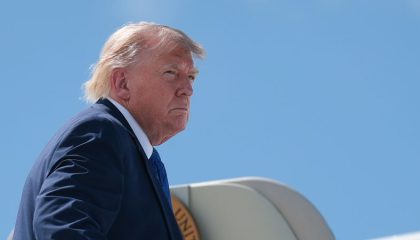
Exclusive information also reveals that President Donald Trump played a pivotal role in halting the mission. Upon being briefed on its potential consequences, the president opted to delay action, fearing a severe Iranian retaliation. This concern was tied to the economic impact of a prolonged conflict, particularly the disruption of oil exports through the Strait of Hormuz. Despite the U.S. and Iran’s previous agreements to ease tensions, Trump remained cautious about committing to a large-scale military operation without a clear strategy in place.
Exclusive: Iran’s Economic Leverage and the Nuclear Option
Exclusive details show that Iran was simultaneously preparing its own response to the U.S. threat. The country reportedly planned to use economic leverage as a countermeasure, including deploying its proxy group in Yemen to close the Bab-al-Mandab Strait. This move could disrupt global trade routes and strain U.S. economic interests, creating a complex dilemma for the administration. The uranium mission, while strategic, now faces the possibility of a parallel economic showdown, further complicating diplomatic and military efforts.
Exclusive negotiations between the U.S. and Iran have outlined key terms for a potential agreement. The administration’s proposal includes Iran’s destruction of its nuclear materials, dismantling its program, and opening the Strait of Hormuz to stabilize oil markets. However, Iranian state media has countered with demands for the immediate release of $24 billion in frozen assets. This clash highlights the administration’s desire to secure the uranium while Iran seeks economic concessions, underscoring the delicate balance of power in the region.
Exclusive: Unresolved Concessions and Escalation Prospects
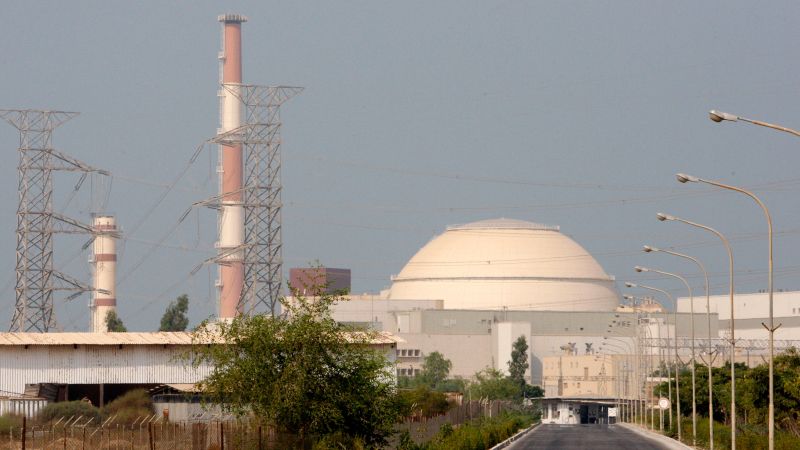
Exclusive sources indicate that securing Iran’s enriched uranium remains a top priority for Trump, despite the pause in the ground mission. The uranium is stored in fortified facilities like Isfahan, Natanz, and Fordow, where underground tunnels complicate retrieval efforts. Even if the operation proceeds, verifying the stockpile’s quantity and purity will require extensive intelligence work, a challenge the administration acknowledges. However, Trump’s hesitancy to commit has left the mission in limbo, with diplomatic talks still ongoing.
Exclusive reports from military analysts suggest the operation could be revived if diplomatic progress stalls. The president’s recent remarks to Fox News, mentioning Kharg Island as a potential target, reflect his consideration of additional options. While the mission was paused, the U.S. military continues to prepare for contingencies, emphasizing the need for a decisive response. The situation now hinges on whether Iran will make the necessary concessions or escalate the conflict further, with the U.S. ready to act if required.