
Election denier Tina Peters will get clemency after admitting she ‘made a mistake,’ Colorado’s Democratic governor says
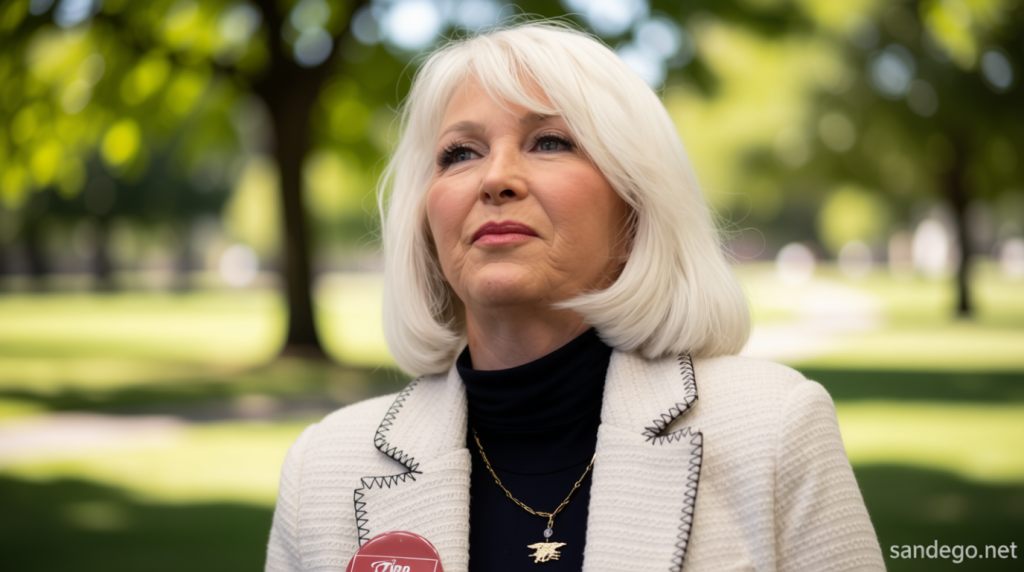
Colorado Governor Jared Polis Grants Clemency to Election Denier Tina Peters After Admission of Error
Election denier Tina Peters will get clemency – Colorado’s Democratic governor, Jared Polis, has announced that former election clerk Tina Peters will be granted clemency, reducing her prison sentence to 4.5 years and potentially freeing her from custody within a month. The decision, shared exclusively with CNN, follows a newly released statement from Peters’ clemency application, which was obtained by the network from Polis’ office. In this statement, Peters admitted for the first time since her 2024 conviction that she “made a mistake” and “misled” Colorado election officials during her tenure. This acknowledgment marks a shift from her prior stance, where she had consistently denied wrongdoing and argued that her actions were aligned with federal legal requirements.
Acknowledgment of Error and Legal Reassessment
Polis explained that the clemency decision was influenced by Peters’ admission, which he described as a “turning point” in the case. “She’s not just saying she was wrong—she’s taking responsibility for her actions,” he said. The governor emphasized that the reduced sentence would allow Peters to be paroled sooner, based on the time she has already served and the state’s early-release policies. While the specifics of her crime involve conspiring with fellow election deniers to breach county election systems, the focus of her clemency is now on her acknowledgment of error rather than the full extent of her actions.
“I made a mistake four years ago,” Peters stated in the document. “I misled the secretary of state when allowing a person to gain access to county voting equipment. That was wrong. Going forward, I will make sure that my actions always follow the law.”
Polis also cited a recent appeals court ruling as a key factor in his decision. The court found that the trial judge had unfairly penalized Peters for her protected speech regarding the 2020 election, arguing that part of her punishment was based on subjective judgments rather than objective legal violations. “We have to make sure our justice system is blind and fair,” Polis said, adding that he believes the ruling reflects a broader recognition of the importance of free speech in political discourse.
Trump’s Persistent Campaign for Her Release
Throughout Peters’ incarceration, President Donald Trump has remained a vocal advocate for her release, launching a sustained effort to pressure Colorado officials. Polis confirmed that he had received both public and private messages from Trump, urging the governor to expedite Peters’ parole. Despite the president’s influence, Polis noted that some of Trump’s claims about Peters’ case are factually inaccurate. “He gets her age wrong. He gets what she did wrong. My focus was doing what’s right and then looking at the merits of the case,” the governor said, highlighting the tension between political pressure and legal integrity.
Peters, 70, has been the last of Trump’s allies still serving time for 2020 election-related offenses. Her conviction in 2024 stemmed from a jury in Mesa County, a region known for its conservative leanings, which found her guilty of conspiring to interfere with the county’s election infrastructure. The trial, which centered on claims of widespread voter fraud, was marked by testimony that Peters had given unauthorized access to election offices in 2021 to individuals linked to Mike Lindell, a pro-Trump conspiracy theorist. These individuals reportedly made copies of sensitive election data to audit the 2020 results, though the evidence presented was later challenged by critics.
Parole Eligibility and Early Release Rules
With her sentence reduced to 4.5 years, Peters’ eligibility for parole has advanced significantly. She was initially set to be released in 2028, but the clemency decision could move that date closer. Polis explained that the early release rules in Colorado allow for parole consideration based on a combination of time served and behavioral performance, which Peters has demonstrated through her recent admission of error. However, the governor acknowledged that the path to release may still face scrutiny, particularly from Democrats who remain skeptical of her claims and the broader implications of her actions.
Polis expressed hope that Democrats would not “sacrifice our deeply held belief in free speech” due to political expediency. “There should be no consideration of what we say, how unpopular it is, or how inaccurate it is in sentencing or in criminal proceedings,” he argued. This statement underscores the governor’s commitment to balancing justice with the protection of constitutional rights, even as he faces pressure from both sides of the political spectrum.
Conspiracy Theories and Continued Advocacy
Despite her admission of error, Peters has continued to promote her controversial narrative from behind bars. Her official website maintains that she is a victim of “politically motivated” prosecutions aimed at “silencing” her for exposing what she claims are critical flaws in the election system. This rhetoric has been amplified through her social media accounts, which feature unfounded claims from alleged informants asserting that American voting machines can flip votes using technology sourced from Venezuela. One recent post reshared by her account urged Trump to “INVADE COLORADO if you have to” to secure her release, illustrating the persistent influence of her advocacy.
Peters’ supporters argue that her actions were part of a legitimate effort to ensure election transparency, citing federal laws that require county clerks to maintain records. However, her detractors contend that her conduct was an attempt to undermine the election process, particularly after the 2020 results were certified. The clemency decision now places her in a position where she can either continue to push her narrative or align herself with the legal conclusions reached by the court and the governor.
Implications for the Justice System
Polis’ decision to grant clemency has sparked debate about the fairness of the justice system in Colorado. While the appeals court ruled that part of Peters’ punishment was based on improper consideration of her speech, the governor has not fully dismissed the legal arguments against her. “She committed a crime, and I was personally disgusted with what she said about the 2020 election,” he admitted, but he emphasized that the clemency is necessary to ensure the system remains impartial. This duality—recognizing her guilt while acknowledging the importance of free speech—reflects the complexity of the case and the broader political context in which it unfolded.
As the state prepares for a new sentencing hearing, the question remains whether Peters’ admission will be sufficient to alter the trajectory of her legal journey. Meanwhile, her continued advocacy in prison has kept her story in the public eye, with her supporters arguing that her release is a matter of principle. The governor’s comments suggest that while he is open to the idea of clemency, he remains committed to upholding the law, even as he navigates the pressures of political rhetoric and public opinion.
With her clemency pending, the case highlights the intersection of law, politics, and public perception. Peters’ journey from election clerk to incarcerated figure, and now to potential parolee, encapsulates the polarizing impact of the 2020 election on state-level governance. As Colorado officials move forward, the decision to grant her clemency will be seen as a test of the state’s commitment to both justice and the protection of free speech, even in the face of partisan challenges.
