
Founder of China’s Evergrande pleads guilty to fraud
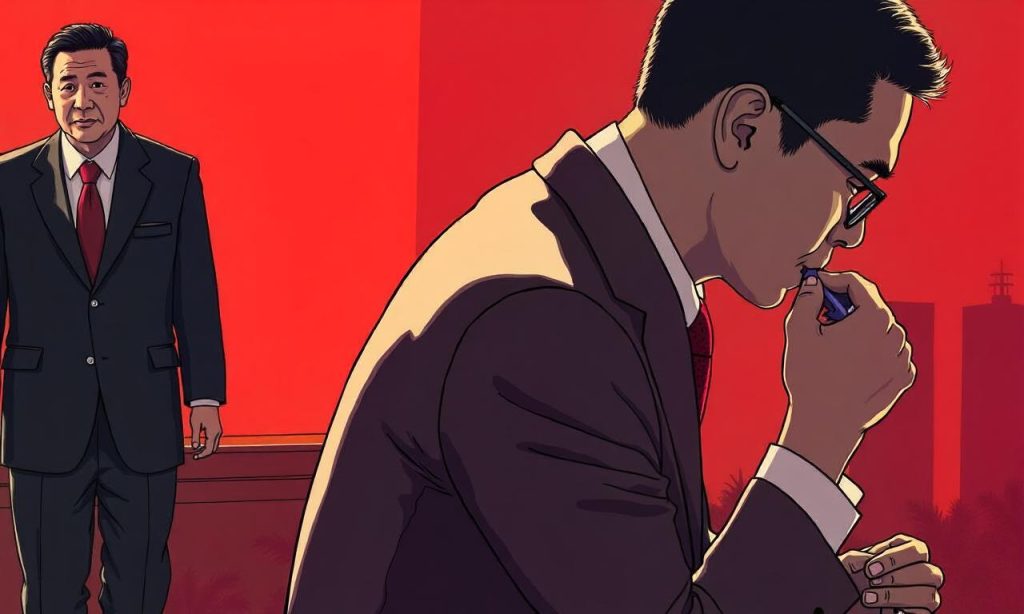
Founder of China’s Evergrande Pleads Guilty to Fraud
Hui Ka Yan, the founder of China’s property giant Evergrande, has admitted guilt for multiple offenses, including misappropriation of assets and corporate bribery, as per a court statement. During the public hearing held in Shenzhen from April 13 to 14, Hui expressed regret over his actions, as reported by Chinese state media. The court has yet to release its final judgment on the case, stating it will do so at a later date.
Evergrande’s Debt Crisis and Aftermath
Hui’s guilty plea signifies a turning point in the ongoing crisis triggered by Evergrande’s collapse. The firm’s financial unraveling in 2021 sent shockwaves through China’s real estate industry, leaving banks and investors in turmoil. The court revealed that the company had collected millions in pre-sale funds from prospective buyers but used the money for new ventures rather than completing construction. This misallocation resulted in hundreds of uncompleted properties across the nation.
Evergrande once stood as China’s largest real estate developer, with a valuation exceeding $50bn (£37bn), yet its downfall led to a debt crisis that destabilized its operations. At its peak, the company managed around 1,300 projects in 280 cities, but its empire was built on over $300bn in borrowed funds.
From Rural Roots to Global Ambitions
Hui, also known as Xu Jiayin, began his journey in rural China, raised by his grandmother before entering the property development sector in 1996. His company expanded rapidly, fueled by China’s economic growth and aggressive borrowing. By 2017, Hui had become Asia’s wealthiest individual, with an estimated fortune of $42.5bn, according to Forbes’ list of the region’s top earners. The business also ventured into electric vehicles, food production, and even acquired a majority stake in Guangzhou FC, China’s premier football club.
In March 2024, Hui was sentenced to a $6.5m fine and barred from participating in China’s capital markets for life, following accusations that his firm inflated revenue by $78bn. The collapse of Evergrande, which saw its stock valuation plummet by 99%, eventually led to its removal from the Hong Kong exchange in August 2025, ending over 15 years of public trading.
Regulatory Impact and Market Consequences
The collapse of Evergrande was exacerbated by Beijing’s 2020 regulations aimed at curbing property debt. The company resorted to selling properties at significant discounts to maintain cash flow, but this could not prevent the eventual crisis. The incident is widely regarded as a catalyst for China’s prolonged property market downturn, which has had a profound effect on the country’s economic growth.
