White House Prepares to Install Heidi Overton at the Helm of the FDA
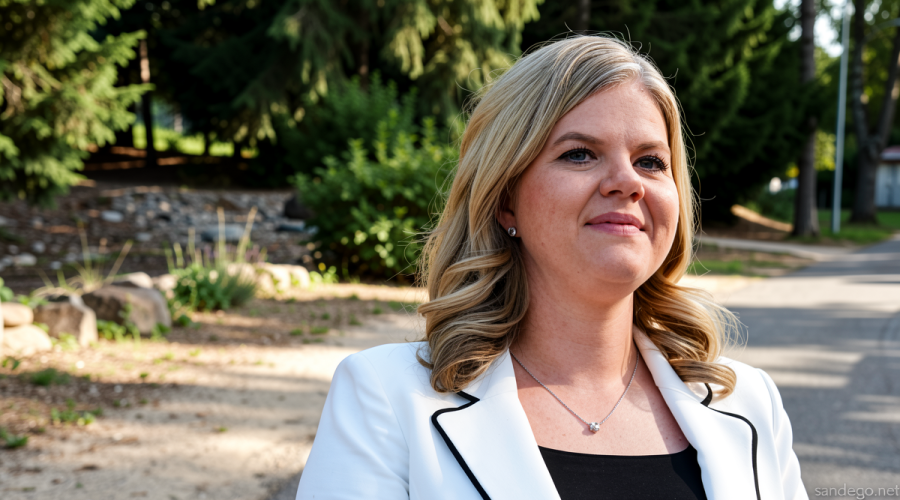
Sandego.net – The U.S. Food and Drug Administration is on the verge of another leadership shakeup. President Donald Trump is poised to name Dr. Heidi Overton as his successor commissioner, according to a person with direct knowledge of the decision. The move would place a trusted insider at the head of one of the most consequential regulatory bodies in American public health, just weeks after the agency endured a turbulent exit from its previous leader.
The nomination, if formalized, would close a gap left by the departure of Dr. Marty Makary, who served as Trump’s first FDA commissioner before resigning approximately three months ago. Makary’s exit came under considerable strain, with the White House pressing him on how the agency was being run. His departure left the institution without a confirmed commissioner for a period that stretched into the summer, a vacuum that complicated ongoing drug reviews, food-safety oversight, and the agency’s broader regulatory calendar.
Who Is Dr. Heidi Overton?
Overton is no stranger to the corridors of power. She currently holds the post of deputy director within the White House Domestic Policy Council, the office that advises the president on domestic issues ranging from health policy to housing and education. In that role, she has been a principal architect and executor of the administration’s health-care priorities, shaping policy from the inside rather than lobbying from the outside.
Before her current appointment, Overton spent time in the first Trump White House, giving her a decade-plus of familiarity with the administration’s internal rhythms and decision-making culture. She then moved to the America First Policy Institute, a conservative think tank, where she ultimately took charge of its health policy center. That combination of executive-branch experience, academic-adjacent policy work, and medical training positions her as a candidate who blends regulatory fluency with ideological alignment to the current White House.
Overton is a physician by training. That medical credential carries weight in a role where the commissioner must weigh scientific evidence, clinical trial data, and public-health risk on a daily basis. The FDA’s mandate spans approval of new drugs and biologics, oversight of dietary supplements, inspection of food-processing facilities, review of medical devices, and response to outbreaks or product recalls. A commissioner with a clinical background is expected to navigate those technical landscapes with an informed eye, though critics of the agency have long argued that scientific independence must be insulated from political preference.
The Makary Resignation and Its Aftermath
The circumstances surrounding Dr. Makary’s departure underscored a pattern of friction between the White House and the agency’s leadership. Pressure mounted over what the administration viewed as insufficiently aggressive management of the FDA’s operations. Makary’s resignation, roughly three months before the Overton announcement, left the agency in a caretaker mode, with day-to-day decisions deferred or handled at lower levels of the organizational chart.
For patients awaiting new therapies, for manufacturers navigating approval pathways, and for public-health officials coordinating on vaccine schedules or outbreak responses, that leadership gap introduced uncertainty. The speed with which a successor is confirmed will determine how quickly the agency returns to full operational tempo.
What Comes Next: Confirmation and Transition
A presidential nomination does not install a commissioner. Overton would still need to clear the Senate confirmation process, a step that can involve hearings before the Senate Health, Education, Labor, and Pensions Committee followed by a floor vote. The length and tenor of that process depend on the political arithmetic of the moment and on questions senators choose to press regarding agency independence, drug-approval timelines, and the balance between accelerating access to new medicines and maintaining rigorous safety standards.
Until a confirmed commissioner takes the oath, the FDA continues under interim leadership. Ongoing reviews of blockbuster drug applications, periodic inspections of manufacturing sites, and responses to consumer complaints all proceed, but strategic direction and public-facing communications carry a diminished authority during the transition.
Broader Implications for Public Health
The choice of who leads the FDA shapes the tempo of American medicine. A commissioner who prioritizes expedited pathways may shorten the time between clinical trial completion and patient access, while one who emphasizes cautionary review may extend that interval. Both approaches carry trade-offs: speed without adequate scrutiny risks post-market safety events, while excessive delay can deny patients treatments for serious conditions.
Overton’s background suggests an orientation toward the administration’s stated goals of streamlining regulatory processes and aligning agency action with White House health priorities. Whether that translates into measurable changes in approval timelines, enforcement posture, or interagency coordination will become apparent only after she assumes the role and the agency’s internal directives shift accordingly.
The White House did not immediately respond to requests for comment on the timing or specifics of the nomination. The story remains developing, and further details are expected as the formal announcement approaches.
Related Reading
Frequently Asked Questions
What is Trump expected to pick Dr Heidi?
Trump expected to pick Dr Heidi is the main topic of this guide. The article explains the context, practical details, and next steps readers should understand.
Why does Trump expected to pick Dr Heidi matter?
Trump expected to pick Dr Heidi matters because readers are looking for a useful answer, not just a short summary. Good content should match search intent and help them decide what to do next.