Why Millions of Americans Trust Social Media for Medical Guidance — And Why They Should Be Cautious
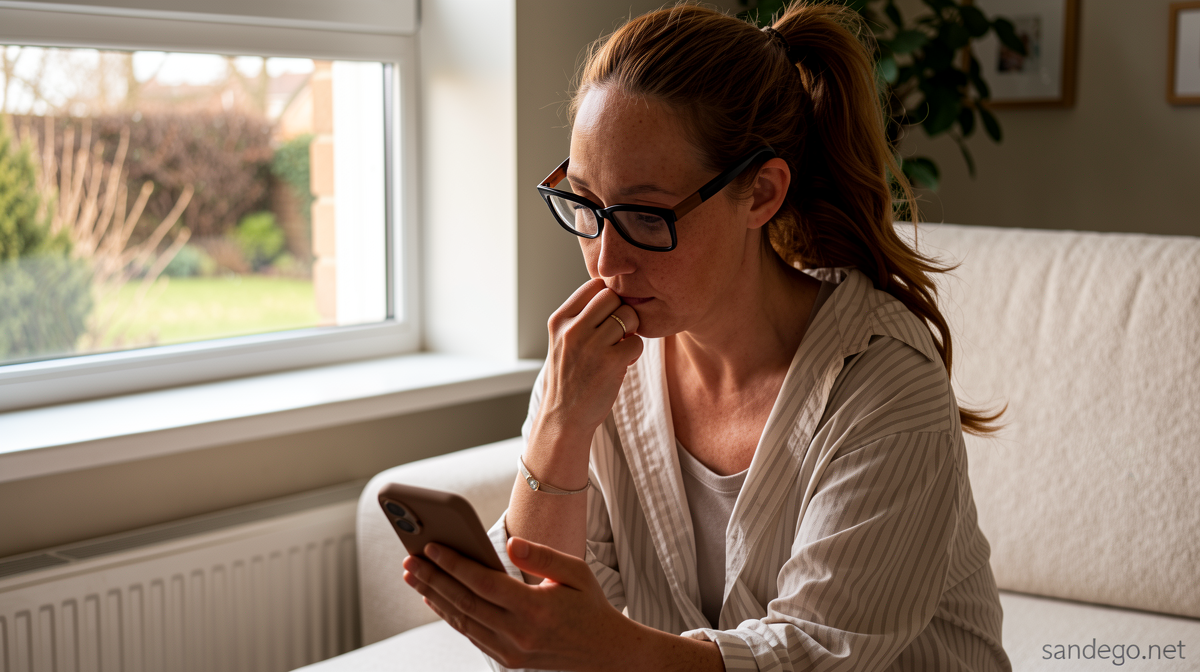
Sandego.net – When you wake up with an unexplained rash or wonder if a mysterious bug bite might be serious, where do you turn? Increasingly, the answer is scrolling through your favorite social platforms. A growing number of U.S. residents are posting questions with hashtags, seeking answers from strangers and experts alike. Whether you’re researching symptoms, exploring potential diagnoses, or investigating treatment options, social networks have become a go-to resource for health-related queries.
A recent investigation published on June 30 in the peer-reviewed journal JAMA reveals something remarkable: over one-fifth of American adults who actively use social platforms report making actual health decisions based on what they encounter online. That translates to roughly 47 million people whose medical choices are influenced by digital feeds.
What the Research Revealed
The study drew from the 2024 Health Information National Trends Survey, a comprehensive nationally representative poll sponsored by the U.S. National Cancer Institute. Researchers analyzed responses from more than 7,270 participants, which collectively represent approximately 262 million American adults.
The findings paint a picture of a population deeply engaged with health content online. Nearly 88 percent of adults indicated they used social media within the past year. Of those users, almost 85 percent shared either personal or general health information, while about 70 percent actively participated in online health communities.
Perhaps most striking is the contradiction: while more than 1 in 5 users make health decisions based on social media content, nearly 78 percent simultaneously believe that health information found on these platforms is often false or misleading.
The study found that social media has become a major source of health information. Nearly 88% of adults reported using social media in the previous year. Among those users, almost 85% said they had shared general or personal health information, and about 70% participated in online health communities.
Demographic patterns also emerged. Older adults and Hispanic users showed higher rates of making health decisions based on social media content. Interestingly, adults managing chronic conditions—including cancer, cardiovascular diseases, and mental health disorders—were just as likely as healthier individuals to rely on online information for medical choices. This suggests social media serves not only those without ongoing health challenges but also people navigating long-term medical conditions.
Understanding the Appeal
To unpack these findings, I consulted Dr. Leana Wen, a CNN wellness expert who serves as an emergency physician and clinical associate professor at George Washington University. She also previously held the position of Baltimore’s health commissioner.
There are many understandable reasons. Social media is fast, free and available at any hour. Certain platforms offer short, easy-to-understand videos or graphics that can explain complicated medical topics.
Dr. Wen explained that accessibility plays a crucial role. People can watch brief, digestible videos or view infographics that break down complex medical subjects. They can also connect directly with individuals who have lived through similar diagnoses, treatments, or procedures—experiences that textbooks and clinical websites simply cannot replicate emotionally.
Another factor is the growing complexity of healthcare itself. Office visits are frequently time-constrained, leaving patients with unanswered questions. When new concerns arise or follow-up inquiries need addressing, patients may find it easier to turn to social networks for practical tips, side-effect management strategies, or general condition information.
Hidden Risks in the Feed
Despite its benefits, Dr. Wen identified several significant dangers in relying on social media for medical guidance.
One of the biggest concerns is that social media does not distinguish between expert advice and personal opinion. An experienced physician, a scientist, a patient sharing their story and an influencer with no medical training peddling their own “treatments” may all appear side by side in someone’s feed, with no way to tell which is the most reliable source of information.
The platform design itself creates problems. Algorithms prioritize content that generates engagement—posts that are surprising, emotional, or controversial tend to spread more widely than carefully nuanced scientific explanations. Furthermore, financial relationships often go undisclosed. Some content creators, including certain medical professionals, receive compensation to promote supplements, diagnostic tests, or wellness products.
Finally, the very algorithms that curate your feed can reinforce misinformation, creating echo chambers where false health claims gain credibility through repetition rather than evidence.
As artificial intelligence continues to reshape the information landscape, understanding these dynamics becomes essential for anyone making health decisions online.