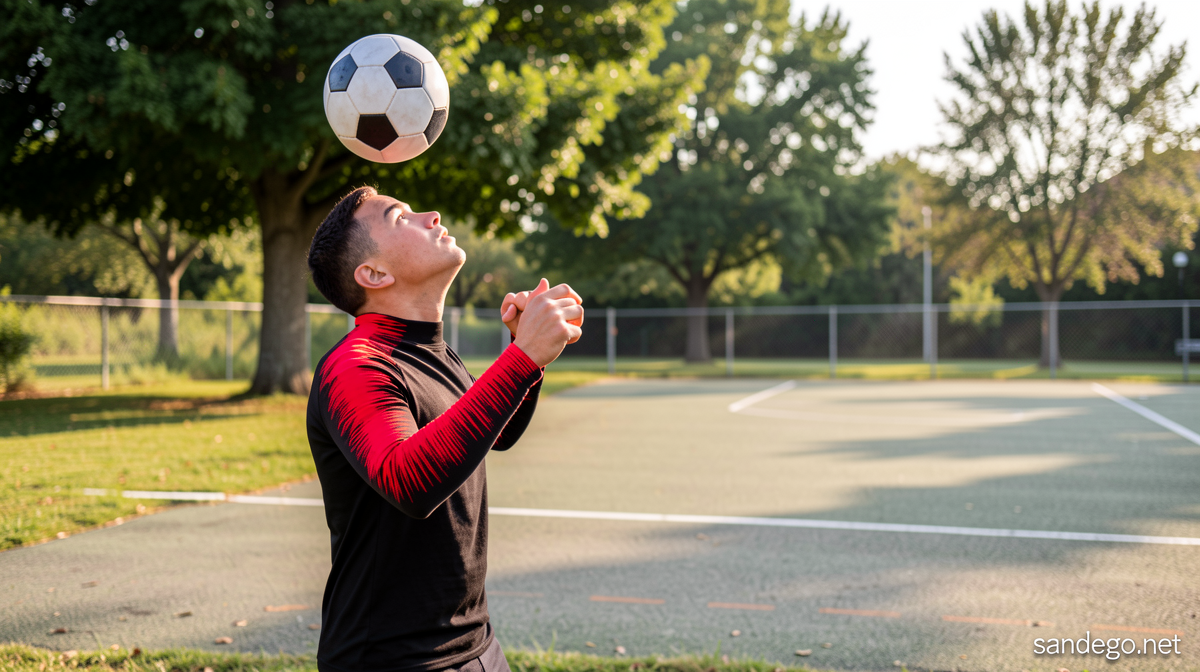
Brain Impacts on Former Elite Soccer Players May Worsen Midlife Mental Health
Sandego.net – Brain impacts on former elite soccer players may worsen mental health and focus in midlife, according to groundbreaking new research. While scientific inquiry into sports-related brain trauma has historically centered on American football, emerging evidence suggests soccer athletes face comparable risks. According to fresh research, retired professional soccer players may begin exhibiting neurological changes during their middle years. This development is particularly timely as the World Cup tournament moves toward its final stages. The findings were unveiled at the July 2026 Alzheimer’s Association International Conference held in London, shifting attention to a sport that has received less scrutiny than tackle football.
This preliminary investigation indicates that neurological symptoms might appear in soccer players sooner than widely anticipated. The study highlights a critical period in life when brain health becomes a focal point. Additionally, recent reports note that three children have tragically succumbed to football injuries within the current year, underscoring the ongoing debate regarding sports safety. Experts continue to evaluate the advantages and disadvantages of various athletic activities as concerns grow. Understanding brain impacts on former elite athletes could reshape how we approach retirement planning for professional sportsmen.
Study Participants and Methodology
The research team analyzed a diverse group of 142 former professional players. This cohort comprised 126 men and 16 women, with ages ranging from 30 to 60 years old. To gather comprehensive data, investigators utilized multiple assessment tools. These included detailed questionnaires, clinical evaluations, and advanced brain imaging techniques. The abstract summarizing these initial results has not yet undergone peer review for journal publication.
Dr. Caleigh Lynch, the lead study author and a research technician at Imperial College London alongside the UK Dementia Research Institute Centre for Care Research & Technology, provided key insights. She noted that the former players were more prone to reporting anxiety, depression, and difficulties with decision-making or thinking compared to individuals who never participated in contact sports. However, she cautioned that causality is not yet fully established.
“We don’t know if this is something that’s due to playing soccer for a long time and those repetitive head impacts, or is it something that is intrinsically different for people who decide to player soccer professionally and who are good at soccer,” said lead study author Caleigh Lynch.
Neurological and Psychological Findings
When examining cognitive functions such as memory retention and attention span, researchers did not detect significant impairments among the participants. Nevertheless, brain scans revealed notable structural differences. Specifically, the soccer players demonstrated lower levels of gray matter in critical regions. Gray matter serves as the brain’s primary information processor and showed reductions in areas responsible for emotional regulation, attention, decision-making, and memory.
These structural variations, coupled with increased psychological symptoms, suggest potential neurological consequences stemming from repetitive head injuries. However, it remains possible that individuals predisposed to mental health challenges might be drawn to professional soccer careers. The research team emphasized that longitudinal studies are needed to track these athletes over extended periods. Understanding brain impacts on former elite soccer players could inform better post-career healthcare protocols and support systems for retiring athletes worldwide.