
The 3-Minute Mobility Reset: Science-Backed Tension Relief
Sandego.net – Modern lifestyles often involve prolonged sitting, which can hinder joint health and reduce the flow of synovial fluid, essential for lubricating and cushioning our bodies. This leads to stiffness, discomfort, and chronic tension that affects posture, breathing, and overall well-being. Dana Santas, known as the “Mobility Maker,” is a certified strength and conditioning specialist and mind-body coach who has developed a simple yet effective routine: the 3-minute mobility reset. This science-backed approach encourages brief, targeted movement breaks to counteract the physical and mental effects of sedentary habits.
The Impact of Sitting on Physical Health
Extended periods of sitting place significant strain on the body, particularly in the hips, shoulders, and spine. When we remain seated for long stretches, our breathing becomes shallow, which can activate the nervous system’s stress response, locking the body into a state of tension. This tension is not just localized—it can spread throughout the musculoskeletal system, leading to discomfort that lingers even after work hours. Studies show that integrating short, focused movement into daily routines can break this cycle, promoting flexibility and reducing stress.
“How you breathe shapes the way you move,” says Santas, emphasizing the neurological link between breathing and physical function. Proper breathing isn’t just about oxygen intake—it’s a signal that encourages muscle relaxation and postural alignment.”
Traditional exercise routines often require long sessions to see results, but recent research highlights the value of small, frequent interventions. A 3-minute mobility reset offers a practical alternative, using targeted movements to improve circulation, enhance posture, and reset the body’s tension patterns. Santas’ method is designed for everyday use, making it accessible for anyone, regardless of their fitness level or schedule.
How to Implement the Reset Effectively
The 3-minute mobility reset is a structured routine that combines breathing exercises with functional movements. It begins with a breathing technique to calm the nervous system and prepare the body for physical engagement. This is followed by three movement segments, each addressing a specific area of the body. Users can rotate these exercises throughout the day, ensuring a holistic approach without overwhelming their routine.
For the neck and upper back, start with gentle head turns and shoulder circles. Performing five repetitions in each direction, followed by a set of 10, can realign the spine and relieve tension from hunching. The cat-cow posture, done with knees slightly bent and hands on thighs, targets the spine’s mobility, helping to restore a sense of openness in the torso. These movements are not only effective but also easy to incorporate into a busy day.
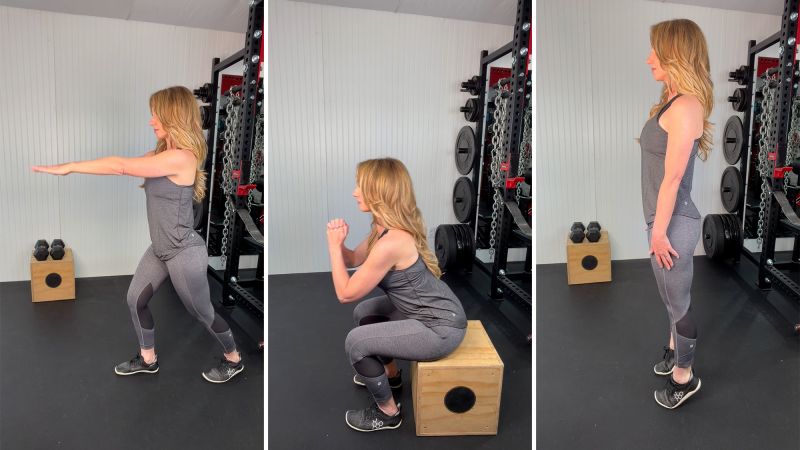
When focusing on the hips and ankles, alternating hip circles and ankle rolls can reinvigorate the lower body. Smooth, controlled motions for five repetitions on each side lubricate joints and signal the nervous system that movement is possible. The final segment activates larger muscle groups, such as the glutes and shoulders, through exercises like box squats or reach-and-pull patterns. These actions reinforce posture and promote dynamic flexibility, all within a minimal time frame.
The Benefits of Short Movement Breaks
Research consistently shows that even brief movement breaks can yield significant health benefits. A study in the *Journal of Physical Activity* found that regular short exercises improve circulation and reduce musculoskeletal strain. The 3-minute mobility reset aligns with these findings, offering a solution that fits into daily life without demanding major time shifts. By prioritizing movement over extended workouts, individuals can maintain flexibility and reduce tension throughout the day.
This routine not only addresses physical discomfort but also enhances mental clarity and focus. The combination of breathing and movement helps regulate the nervous system, promoting a state of relaxation that counteracts the stress of sitting. Santas’ approach is particularly useful for professionals who spend hours at desks or phones, providing a quick fix for stiffness and discomfort. Consistency is key, as these short breaks can become a habit that supports long-term mobility and well-being.