Quarantine comes to an end for the last of the hantavirus ship passengers in Nebraska
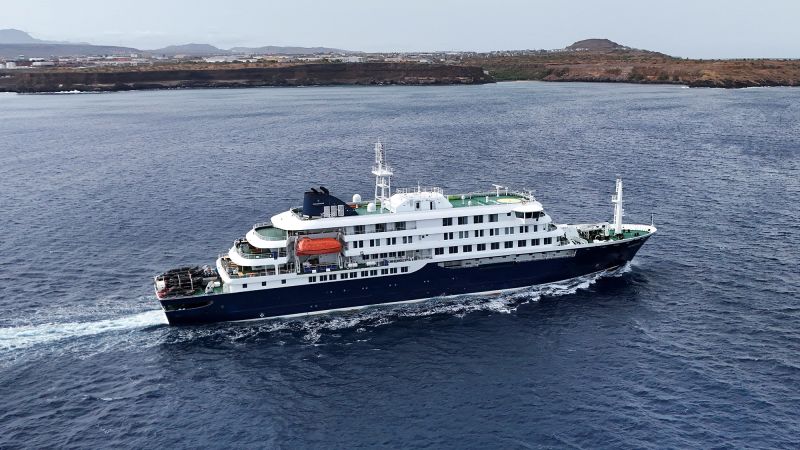
Sandego.net – The final eight American passengers from the MV Hondius cruise ship, which was the site of a deadly hantavirus outbreak, have now completed their 42-day quarantine at a specialized hospital unit in Nebraska. U.S. health officials confirmed the conclusion of the quarantine on Monday, marking a significant milestone in the containment efforts. This marks the end of the extended isolation for those who were exposed to the virus, which claimed three lives during the outbreak.
HHS Collaboration and Global Evacuations
A spokesperson for the U.S. Department of Health and Human Services (HHS), Emily Hilliard, emphasized the success of the response. “Through close collaboration among federal, state, and local partners, HHS helped protect the American people, contain potential risks, and bring this response effort to a successful conclusion,” she stated in an email. The quarantine initiative involved evacuating over 120 individuals from the MV Hondius in Spain’s Canary Islands last month. Among them were 18 Americans who were taken to the National Quarantine Unit in Omaha, Nebraska, for further monitoring.
While the majority of those evacuated were from other countries, the 18 American passengers required special attention. Prior to the outbreak being officially documented, at least 30 passengers had already left the ship, including seven Americans who were permitted to monitor for symptoms at home. These early departures were likely due to initial uncertainty about the virus’s spread. However, as the situation escalated, the evacuation process became more systematic.
The Virus and Its Spread
Hantaviruses typically spread through inhalation of rodent droppings, but the strain responsible for the outbreak—known as the Andes virus—posed a unique challenge. Health officials noted that this particular variant may have the rare ability to transmit between humans, which heightened concerns. The outbreak, which killed three individuals, including a Dutch couple, originated during a stop in South America. Health experts believe these two were the first to contract the virus on the ship, setting off a chain of events that led to the mass quarantine.
The virus’s incubation period can extend up to 42 days, prompting the decision to maintain strict isolation protocols. Despite this, none of the 13 confirmed cases among the ship’s passengers developed severe illness. This outcome was partly due to the rigorous monitoring and precautions implemented during their time in quarantine. The extended period allowed health officials to track symptoms closely and ensure no cases were missed.
Controversial Quarantine Orders
Among the 18 Americans in Omaha, one individual, Angela Perryman, faced a controversial decision. She was held against her will under a quarantine order issued by then-Attorney General Robert F. Kennedy Jr., even though it was not recommended by CDC experts. Perryman recounted her experience in a Monday interview, stating that passengers were told the monitoring period would end at 2 p.m. on Sunday. “We were locked in our rooms until 1:55. And at 2 o’clock, ‘OK, well, everybody walk out and go home,’” she said, speaking from her home in Florida.
“Perryman was forced to stay as the result of a controversial quarantine order that was deemed unnecessary even by some health officials.”
Although seven of the remaining patients chose to stay voluntarily, Perryman’s case highlighted the tension between public health mandates and individual rights. The government covered the cost of her flight home, ensuring she could return to Florida. Others left the facility on Monday, with some opting to stay overnight in Omaha before departing. The quarantine experience, while isolating, was designed to minimize risk and provide comfort.
Quarantine Experience and Logistics
Life in the National Quarantine Unit was structured to maintain morale. The facility, located at the University of Nebraska Medical Center, provided accommodations similar to hotel rooms, complete with desks, televisions, internet access, and exercise equipment. These amenities helped passengers cope with the long isolation. Meals were also a key focus, with local restaurants and food trucks supplying special dishes nearly every day to keep them engaged.
Nurses, in particular, went above and beyond to ensure the passengers’ well-being. Some even made Starbucks runs to deliver favorite drinks, offering a small sense of normalcy. The combination of medical care and recreational activities aimed to balance safety with quality of life. “I’m finally coming home,” a video posted by Jake Rosmarin, one of the passengers, showed him leaving the quarantine center with two suitcases and a backpack, turning off the lights as he exited. His post captured the bittersweet moment of departure, shared by others in similar fashion.
Global Impact and Ongoing Monitoring
While the quarantine in Nebraska has concluded, the global health response continues. When the MV Hondius docked in the Netherlands, 25 crew members and two medical staff were still aboard, requiring their own quarantine procedures. The World Health Organization (WHO) has not yet provided an official statement on the status of all quarantined individuals worldwide, though the U.S. has confirmed the successful resolution of its case. The outbreak serves as a reminder of the virus’s potential to spread in unexpected ways, even beyond its typical rodent-to-human transmission.
For the 18 Americans who remained in Omaha, the quarantine period was both a test of endurance and a measure of precaution. Their time in the facility, while challenging, provided a controlled environment to observe symptoms. Ten of the passengers were allowed to leave earlier under an agreement to monitor their health at home, a decision that seemed to ease the burden on the medical staff. However, the remaining eight, including Perryman, had to stay for the full duration.
Cost and Public Health Measures
The U.S. government invested significant resources in the quarantine effort, including a $750,000 payment to evacuate an American passenger from a remote island. This financial commitment underscored the importance of ensuring all individuals had access to necessary care, regardless of their location. The logistical coordination required to transport and house the passengers, as well as to supply them with food and amenities, was a testament to the scale of the response.
Despite the efforts, the outbreak raised questions about the balance between public health safety and personal freedoms. Perryman’s case became a focal point of debate, with some arguing that the extended quarantine was overly cautious. Nevertheless, the outcome of the 42-day period—no new cases reported—demonstrated the effectiveness of the measures taken. As the last of the passengers leave Nebraska, the focus shifts to recovery and reflection on the lessons learned from this unique outbreak.
The MV Hondius incident highlights the unpredictable nature of viral outbreaks and the importance of swift action. While the U.S. has concluded its quarantine efforts, the global health community remains vigilant. The Andes virus, though rare in its human-to-human transmission, serves as a case study in how quickly a localized event can escalate into a broader public health concern. For the passengers, the experience was a blend of fear, patience, and resilience, with each step taken to ensure their safety and the safety of their communities.