Parasite-Driven Diarrhea Epidemic Surpasses 3,000 Cases Across Multiple States
Outbreak of diarrhea caused by parasite – Health authorities in Michigan and Ohio are struggling to pinpoint the origin of a widespread cyclospora outbreak that has now exceeded 3,000 documented cases. The parasite continues to spread through communities, with officials acknowledging that identifying the contamination source remains an ongoing challenge. Michigan alone has tallied 2,640 infections as of 9:30 a.m. on Monday, with 44 individuals requiring hospital care. Meanwhile, Ohio has logged 361 cases since the beginning of June, contributing to a combined hospitalization count of at least 46 patients across both states.
By July 10, the US Centers for Disease Control and Prevention had received reports from 31 states documenting cyclospora cases, though uncertainty persists regarding whether every reported case belongs to this single outbreak event. According to CDC statements, numerous states have experienced a notable uptick in infections during the most recent fortnight when compared to the identical timeframe in 2025. The federal agency clarified on Friday that its official national tally of 843 confirmed cases since May 1 falls below the aggregate numbers reported by individual states, as additional analysis continues for pending cases.
Surveillance System Changes Complicate Tracking Efforts
Several factors contribute to the difficulty in determining what triggered this surge in infections. Cyclosporiasis cases experience delays in being officially recorded, genomic testing procedures prove complex, and certain public health monitoring networks have undergone significant budget reductions in recent years. During 2025, following reductions in personnel and financial resources for public health organizations, the CDC reduced the scope of one of its primary foodborne illness surveillance mechanisms.
The FoodNet initiative operates as a collaborative effort involving the CDC, the US Department of Agriculture, the US Food and Drug Administration, and ten state health departments. This system proactively searches for foodborne illness cases by reaching out directly to laboratories for test results instead of waiting for routine reports. Prior to July 1, 2025, FoodNet monitored eight different pathogens, cyclospora included. The network currently focuses on just two pathogens—salmonella and a particularly hazardous strain of E. coli bacteria—while monitoring for other pathogens remains voluntary.
“I don’t think it’s in our country’s interest to cut these programs back,” former CDC Director Dr. Robert Redfield told CNN on Monday. “Surveillance is sort of the key to early identification.”
Cyclosporiasis continues to qualify as a nationally notifiable condition, requiring confirmed cases to be reported to state health departments before eventually reaching the CDC. However, these resource reductions have diminished the strength of American surveillance capabilities for this particular pathogen compared to previous years.
Genetic Complexity Makes Cyclospora Difficult to Trace
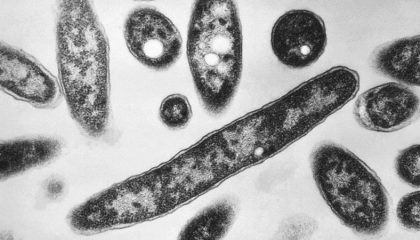
Cyclospora presents unique challenges for tracking compared to other pathogens. Scientists typically use DNA sequencing to match bacterial strains causing illness with those contaminating food or water supplies. This genetic matching approach enables researchers to identify foodborne illness outbreaks initially. A nationwide network of monitoring laboratories known as PulseNet continuously sequences bacterial genes from sick individuals, allowing comparison of DNA fingerprints across cases in near-real time. When matching fingerprints appear across multiple cases in different regions, researchers investigate potential common sources.
This genetic matching technique succeeds because E. coli and salmonella strains undergo minimal genetic changes as they move from contaminated sources to humans or between people. Their genetic instructions remain consistent, making tracking straightforward. Cyclospora operates differently, according to Jennifer McEntire, a microbiologist and founder of Food Safety Strategies, a firm advising clients on cyclospora management.
“For the bacterial pathogens, the technology is quite mature, and the organisms are really very, very simple. It’s like reading a children’s book versus reading ‘War and Peace’ — cyclospora being the ‘War and Peace,'” McEntire said.
She explained that while all pathogens contain the same basic genetic letters, cyclospora’s structure proves far more complex. The parasite rarely transmits directly between individuals. Instead, people contract illness by consuming or drinking contaminated substances from several weeks earlier, typically fresh vegetables or pool water. Infected individuals may endure symptoms including watery diarrhea, abdominal cramping, and bloating for extended periods. Severe dehydration sometimes necessitates hospitalization. Standard treatment involves seven to 10 days of antibiotic medication.
The US Department of Health and Human Services anticipates cyclosporiasis cases will continue climbing through summer months. Federal and state partners are coordinating efforts to monitor case numbers and identify clustering patterns. Emily Hilliard, a spokesperson for the department, confirmed in an emailed statement that both the FDA and CDC maintain active engagement with state partners to locate the source of the expanding illness count.