
Saudi Aramco Helicopter Crash Kills 14 Nationals
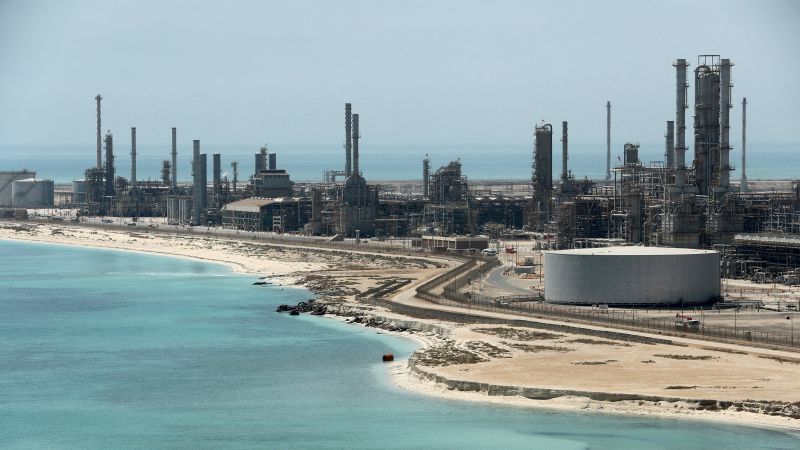
Sandego.net – On Sunday, a helicopter operated by Saudi Aramco, the state-owned energy company, crashed in Ras Tanura, a key oil terminal located on the eastern coast of Saudi Arabia. The incident occurred west of the Strait of Hormuz, a critical maritime route for global oil shipments, and claimed the lives of 14 Saudi nationals, according to the state news agency. The cause of the crash remains under investigation, with officials stating that no preliminary conclusions have been drawn.
Ras Tanura, which serves as a major hub for crude oil exports, had recently resumed operations after a four-month pause. The restart followed a period of reduced activity due to maintenance work and logistical adjustments. The terminal’s revival was significant for Saudi Arabia’s energy sector, as it marked a step toward restoring full production capacity. However, the tragic crash has raised concerns about safety protocols and operational continuity.
The crash happened at 6 a.m. local time, which corresponds to 0300 GMT. While the state news agency provided the time, it offered no further details about the circumstances of the incident. Initial reports indicated that the helicopter was en route to the terminal when it went down, but specifics about the aircraft’s condition or the flight path remain unclear.
“The relevant authorities have launched a full investigation to determine the cause of the crash,” said the state news agency. The probe will examine factors such as mechanical failures, weather conditions, and pilot actions to establish the exact sequence of events leading to the tragedy. Authorities are expected to release findings as soon as possible, though no timeline has been specified.
Saudi Aramco, which plays a pivotal role in the global oil market, did not respond immediately to an emailed request for comment. The company’s silence has fueled speculation about the urgency of the investigation and its potential implications for the industry. As the world’s largest oil exporter, Saudi Arabia’s production levels are closely monitored, and any disruption could have ripple effects on international markets.
The crash comes amid a surge in oil and gas output across the Middle East. Producers have ramped up production in anticipation of an interim deal aimed at halting the escalating conflict between the United States and Iran. This agreement, if finalized, could stabilize regional supply chains and prevent further economic strain on global energy markets. The increased activity has also underscored the strategic importance of Saudi Arabia in maintaining oil flow through the Gulf.
Ras Tanura, situated near the Persian Gulf, is one of the most strategically vital sites for Saudi Aramco. It handles a significant portion of the country’s crude oil exports, with daily shipments contributing to the stability of global petroleum prices. The crash has temporarily disrupted operations at the terminal, though the extent of the damage and recovery efforts are yet to be confirmed.
Analysts are closely watching the situation to assess whether the incident will impact the kingdom’s commitment to its Vision 2030 economic reform plan, which includes expanding oil production and diversifying energy exports. The crash also highlights the risks associated with the rapid expansion of the industry, as companies push to meet growing global demand.
“The relevant authorities have launched a full investigation to determine the cause of the crash,” said the state news agency. The probe will examine factors such as mechanical failures, weather conditions, and pilot actions to establish the exact sequence of events leading to the tragedy. Authorities are expected to release findings as soon as possible, though no timeline has been specified.
Saudi Arabia’s oil exports are a cornerstone of its economy, and the crash at Ras Tanura has intensified scrutiny on the safety of aerial transport used in the sector. Helicopters are commonly employed for transporting personnel and equipment to remote offshore oil platforms, making them a critical component of daily operations. This incident underscores the need for rigorous safety checks and emergency response measures.
While the crash itself is a localized event, its broader implications extend to the global energy landscape. With Middle East producers already increasing output to meet demand, any setback in operations could influence market dynamics. The interim deal between the United States and Iran is seen as a crucial step toward reducing geopolitical tensions, which have historically affected oil prices and supply routes.
The state news agency’s report emphasized that the crash occurred during a period of heightened activity, suggesting that the timing of the incident may have added to the complexity of the investigation. Officials have not yet disclosed whether the helicopter was carrying passengers or cargo, nor have they confirmed if any survivors were among the 14 fatalities.
Saudi Aramco’s operations in Ras Tanura are part of a larger network of facilities that support the country’s role as a key player in the international oil market. The terminal’s strategic location near the Strait of Hormuz, a vital chokepoint for oil transport, means that any disruption there could have far-reaching consequences. The crash has prompted questions about the safety of these critical infrastructure sites.
In the wake of the incident, the company has been working to resume normal operations while cooperating with investigators. The state news agency has assured that efforts to stabilize the situation are ongoing, though details about the recovery process have not been shared. The loss of 14 nationals has also drawn condolences from international partners, who recognize the importance of the Saudi oil industry to global energy security.
As the investigation unfolds, attention will likely shift to the broader context of oil production in the region. Middle East countries have been increasing output to meet rising global demand, particularly as economies recover from recent disruptions. This crash serves as a reminder of the challenges inherent in maintaining high production levels while ensuring safety in all aspects of the operation.
Experts suggest that the crash may prompt a review of current safety protocols and training procedures for helicopter pilots and crew members. The incident also highlights the importance of emergency response systems in remote areas, where rapid action can significantly impact the outcome of such events. Meanwhile, Saudi Arabia continues to play a central role in shaping the future of global energy markets, balancing domestic priorities with international obligations.
With the world’s energy needs on the rise, the Saudi oil industry remains a focal point for investors and policymakers alike. The crash at Ras Tanura has not only affected the company’s operations but also served as a poignant reminder of the risks involved in the sector’s expansion. As the investigation continues, the focus will remain on understanding the causes and preventing future incidents.
Amidst the ongoing efforts to restore normalcy, the state news agency has reiterated its commitment to transparency. It has pledged to provide regular updates on the investigation and the status of the terminal’s operations. The incident is expected to be a key point of discussion in upcoming meetings between Saudi officials and international energy partners, as they seek to address potential vulnerabilities in the supply chain.
For now, the crash stands as a tragic event that has momentarily overshadowed the region’s progress in energy production. However, with the resumption of oil loadings at Ras Tanura and the continued focus on stabilizing the market, the Saudi oil industry remains poised to meet global challenges. The outcome of the investigation will be closely watched, not only for its immediate implications but also as a gauge of the company’s resilience in the face of adversity.