Frank Voelkl’s Invisible Influence on Modern Perfume
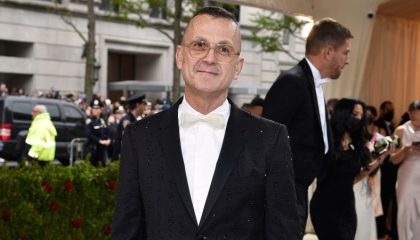
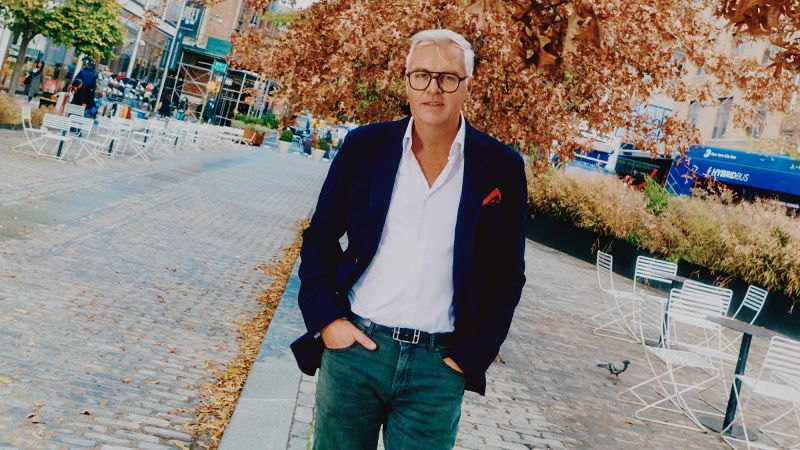
Sandego.net – Frank Voelkl may blend easily into the morning flow of Manhattan: a polished German man moving through the city without attracting attention. Yet his creations have become remarkably familiar to fragrance wearers around the world. His work may have appeared on a bathroom shelf, lingered on a former partner’s jacket or become part of someone’s daily ritual.
Over the last 20 years, Voelkl has helped shape a particular generation of popular scent. His portfolio includes Le Labo’s Santal 33, Glossier You and Phlur Father Figure, alongside fragrances connected with Ariana Grande, Jennifer Lopez, Dolce & Gabbana and Calvin Klein. He works as a senior perfumer and master perfumer at DSM-Firmenich, one of the major fragrance houses in the world.
The title carries unusual weight within the industry. Voelkl is only the 16th master perfumer in the company’s history, which stretches back more than a century. The designation is so uncommon that registered astronauts outnumber master perfumers. It also reflects a role that reaches beyond composing individual perfumes: masters help direct research, advise teams and influence which scent materials may define products years later.
“I would say we’re the ultimate experts,”
Voelkl says this with a balance of confidence and restraint. The description fits a career that has repeatedly produced fragrances people recognize almost immediately, even if they cannot name the bottle.
The Rise of the “Skin Scent”
Many of Voelkl’s best-known compositions share a modern clarity. They can feel airy, woody and freshly clean without becoming harsh or overly antiseptic. This style has been central to the popularity of so-called skin scents, fragrances designed to suggest the intimacy of clean skin rather than announce themselves from across a room.
Glossier You and Phlur Father Figure are closely associated with that sensibility: soft, personal and evocative rather than traditionally perfume-heavy. A bottle of Glossier You sells every 40 seconds, the company says, demonstrating the scale of consumer appetite for scents that feel understated but memorable.
Santal 33 took a different route to ubiquity. Its sandalwood profile became a creamy, mineral-like haze with a distinctly sensual character. At the height of its popularity, the fragrance seemed to trail through entire Manhattan blocks. The effect was not merely commercial success; it turned one perfume into an urban cultural signal, recognizable in restaurants, elevators and crowded sidewalks.
Even so, the scents Voelkl makes for a broad audience are not always the ones he would personally choose to wear. His own preferences lean toward smoke and leather. He works those darker effects into formulas in restrained, almost hidden amounts.
“Very, very small, subliminal”
That restraint matters. Increase those elements too much, he believes, and people may begin to interpret them as signs of danger, fire or darkness. The challenge is to preserve tension in a scent without making it forbidding.
Perfume as a Collaborative Edit
The image of a perfumer working alone with a private organ of bottles can obscure how many people contribute to a finished fragrance. Voelkl describes the process as a collective effort involving managers, evaluators, sales teams, marketers and clients. Each perspective can alter the direction of a formula before it reaches consumers.
“As a perfumer, we work with managers, evaluators, sales, marketing, the clients themselves. Our work is being edited. I see the evaluators as editors.”
Evaluators may determine that a composition is too green, too smoky or simply too difficult to sell. Voelkl’s approach is to absorb that feedback rather than dismiss it.
“I listen to everybody and absorb the comments.”
Still, someone must decide what to change and what to protect. For Voelkl, that final responsibility remains with the creator. He frequently recalls guidance offered to trainees by a colleague:
“Don’t take the bus until you know where you’re going.”
His own version of that lesson is to maintain a destination while remaining receptive to unfamiliar possibilities and to the people contributing along the way.
“Hold a clear destination, stay open to a place nobody else has been, and accept the collaborators walking the road with you.”
At the conclusion of the process, intuition has to take over.
“In the end, you’re alone. You’re alone as a creator, and you have to make that call.”
A Fragrance Industry Forced to Adapt
That creative judgment is becoming more complicated as perfumery’s raw-material landscape shifts. Natural ingredients can become scarce or disappear altogether, while ongoing innovation produces new options. The result has been a broad reformulation period across the industry, affecting established fragrances as well as newer releases.
Consumers who have seen longtime favorites return in newly released versions may have encountered the consequences of this change. Altering a formula is not a quick substitution. The path from a chemist’s early investigation through a perfumer’s trials can take years and require millions of dollars in research before any product reaches a customer.
“You have to be five, ten years ahead — easily — in your thinking and in your strategy,”
Voelkl says. As both a master and senior perfumer, part of his responsibility is helping guide research into retaining, recreating or understanding particular smells before they vanish from the palette.
Bay oil is one material he especially misses. Dominica once produced 70% of the global supply, but Tropical Storm Erika and Hurricane Maria severely damaged the island’s production network. The result was the near-total loss of a material with an unusual place in his work.
“Since then, we don’t have bay oil anymore,”
Voelkl says. For him, its absence is especially significant because of its metallic quality.
“It smells like metal”
It was the only ingredient in his palette that offered that particular effect. In a profession built on memory, chemistry and imagination, losing a material means losing a distinct route to a future scent.
Related Reading
Frequently Asked Questions
What is The man behind some of your?
The man behind some of your is the main topic of this guide. The article explains the context, practical details, and next steps readers should understand.
Why does The man behind some of your matter?
The man behind some of your matters because readers are looking for a useful answer, not just a short summary. Good content should match search intent and help them decide what to do next.