Kenya Prepared for Ebola, but It Still Slipped Through
Sandego.net – Kenya prepared for Ebola. It still faced an imported case after a traveler from eastern Democratic Republic of Congo reached Nairobi through Uganda, despite public-health screening intended to detect possible infections.
The man, who had lived in the DRC for seven years, was later confirmed to have Bundibugyo virus, a type of Ebola. His case has raised concern that an outbreak centered in the DRC could quickly become a wider regional health threat.
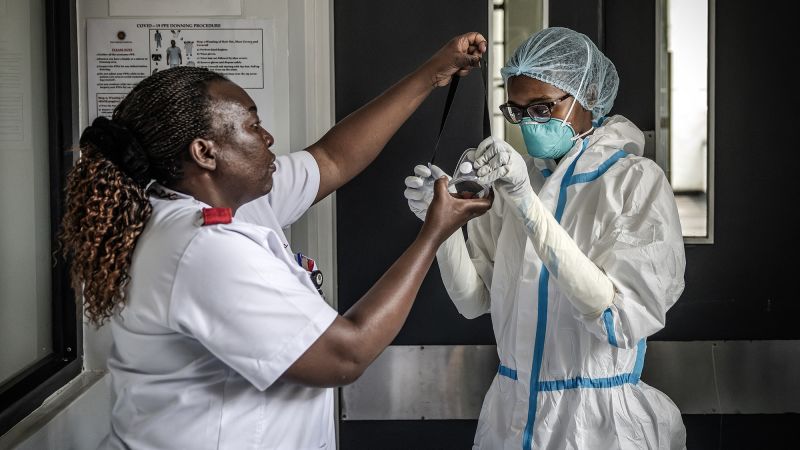
Kenya had screened hundreds of thousands of travelers and trained nearly 5,000 health workers ahead of a possible outbreak. Even so, the patient traveled across three countries in about two days before arriving at a hospital in Nairobi.
Travel route and hospital response
On October 2, the man traveled by road from Beni in North Kivu province in eastern DRC to Kampala, Uganda. He flew from Uganda to Nairobi on October 3. Health authorities have not specified what screening he received at the DRC-Uganda land crossing.
Uganda’s health ministry said he spent less than 24 hours in the country and had a normal temperature during screening before departing from Entebbe International Airport. Kenya’s Ministry of Health said he underwent routine public-health screening at Jomo Kenyatta International Airport but was not identified as a suspected Ebola patient.
After reaching Nairobi, the man was driven by a relative and friend directly to Nairobi Hospital. He had fever, chills, severe fatigue, muscle pain and bleeding beneath the skin. Hospital staff isolated him, and laboratory tests later confirmed Bundibugyo virus.
He died on Monday, days after being admitted. Kenyan officials are identifying and monitoring people who may have come into contact with him during travel, at the airport, in the vehicle to the hospital and at the facility itself.
Why cross-border Ebola control is difficult
The case came as the DRC faced its largest Ebola outbreak on record. By Wednesday, the World Health Organization had recorded 8,728 confirmed cases and 4,205 deaths across seven provinces. The WHO considers the risk to countries sharing land borders with the DRC to be high.
Uganda had previously reported 20 cases before declaring itself Ebola-free on July 28. France also detected a travel-related infection, although no further cases were reported there. Kenya is now the fourth country to confirm Bundibugyo virus.
Kenya prepared for Ebola. It still illustrates the limits of relying only on temperature checks and border controls. The patient had been ill for about a month, but the WHO said it was unclear when Ebola symptoms began during his journey. Officials have considered whether he may initially have had another illness and contracted Ebola later while seeking care.
Early Ebola symptoms can resemble many other illnesses. Fever, weakness and fatigue may not immediately point to Ebola, while temperature screening can miss a traveler who has not developed a fever or whose symptoms are changing.
Informal border routes further complicate prevention. Trade, employment and family connections mean frequent movement between eastern DRC and neighboring countries, including travel outside official crossings. The International Organization for Migration has stressed that surveillance, testing, contact tracing and rapid information-sharing are as important as entry screening.
For Kenya, the priority is now to locate possible contacts quickly, monitor them for symptoms and help health facilities recognize suspected cases early. Kenya prepared for Ebola. It still shows that a rapid response after detection can reduce further exposure when prevention measures do not catch every case.
Kenya Ebola FAQ
Should people in Kenya be worried about Ebola?
Health authorities are tracing and monitoring potential contacts connected to the confirmed case. People should follow official Ministry of Health guidance and seek medical care promptly if they develop concerning symptoms after a possible exposure.
Can airport screening stop every Ebola case?
No. Screening can identify some travelers who are ill, but it may not detect people without a fever or those whose symptoms have not yet become apparent. Community surveillance and fast reporting by health facilities remain essential.
What should travelers do?
Travelers should provide accurate health and travel information, follow screening instructions and report symptoms promptly to health workers. Anyone who believes they may have been exposed should contact public-health authorities rather than delaying care.
Related Reading
Frequently Asked Questions
What is Kenya prepared for Ebola It still?
Kenya prepared for Ebola It still is the main topic of this guide. The article explains the context, practical details, and next steps readers should understand.
Why does Kenya prepared for Ebola It still matter?
Kenya prepared for Ebola It still matters because readers are looking for a useful answer, not just a short summary. Good content should match search intent and help them decide what to do next.