
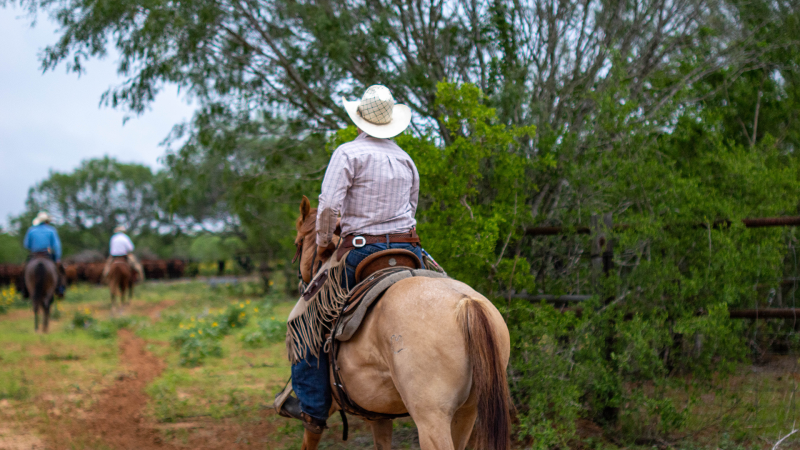
Water Management Shapes a New Conservation Approach on U.S. Cattle Ranches
Sandego.net – Across America’s grazing country, ranchers are treating water as a central part of caring for livestock, wildlife and the land itself. In regions marked by drought, steep terrain or scattered natural water sources, the work often involves more than supplying cattle with a dependable drink. It can also influence where animals graze, how streambanks recover and whether wildlife has access to water during dry periods.
For many cattle operations, resilient land is inseparable from a reliable water plan. Producers are adapting to local weather patterns and landscape conditions with practices designed to improve soil health, protect sensitive habitat and keep their businesses productive over the long term.
Moving Water Across Utah’s High Desert
At Munns Flying M Ranch in northern Utah, nationally recognized sustainability award winner Tim Munns faces the realities of a harsh high-desert environment. Utah’s limited moisture makes water availability an everyday concern, particularly where natural surface water can be separated by miles.
“Where we’re at, we’re the second driest state,” said Munns. “So, water is critical.”
Without added infrastructure, cattle and wildlife on a large working landscape may need to travel considerable distances to reach streams, ponds or other natural supplies. The Munns family addressed that challenge by installing solar-powered pumps, pipelines and tanks. The system carries water uphill and creates more dependable drinking locations for cattle.
The design also serves wildlife. For the family, that outcome is not merely an incidental benefit of raising cattle; supporting biodiversity is part of their purpose for managing the ranch. Water remains available to wildlife even when cattle are not using a particular grazing area.
Placing troughs strategically can also reduce pressure on streams, rivers and ponds. Rather than gathering repeatedly around a limited number of natural water sites, cattle can spread out across a pasture. That distribution can help safeguard vulnerable riparian areas while encouraging grazing in a broader portion of the ranch.
Texas Ranchers Respond to Drought With Healthier Range Conditions
Far to the south, Los Hermanos Ranch in Texas has confronted a similar water challenge in another dry landscape. The operation, also a nationally recognized award winner, manages areas important to both livestock and wildlife.
James Clement III and Poncho Ortega Jr. began managing the ranch in 2013, during what was described as the worst drought in its history. Drought can affect rural communities and cities alike, but ranchers experience its consequences directly through forage conditions, water supplies and the health of the landscapes that sustain their animals.
“The one thing we’re most dependent on, and that we cannot control, is the water,” said Ortega Jr.
“The way we address drought in the future is by being proactive and maintaining healthy ranchlands,” Clement adds “The most productive cattle operations come from where you have the healthiest lands.”
Two streams run through Los Hermanos Ranch, making protection of riparian areas a major management priority. Careful grazing decisions can give these sensitive zones a better chance to recover and continue providing benefits for the ranch ecosystem.
Water stewardship is not a one-size-fits-all formula. Conditions in Utah differ from those in southern Texas, but both ranches illustrate why local decisions matter. The placement of a tank, the timing of grazing and the recovery period allowed for vegetation can have effects beyond an individual pasture.
Rotational Grazing Gives Pastures Time to Recover
One tool used in dry climates is rotational grazing. Under this approach, cattle use one pasture for a period and then move to another, leaving the previously grazed area time to rest. The goal is to allow grasses and other plants to regenerate before they are grazed again.
Healthy vegetation can improve the ground’s ability to take in moisture and can lessen erosion risk. In places where rainfall is scarce or unpredictable, that capacity is especially valuable. The practice also recognizes that grazing can be managed as part of land care rather than viewed only as the removal of forage.
“Pastures are like your lawn,” said Munns. “They need to be taken care of, managed and maintained. Cattle are one tool we do that with.”
Rotational systems require attention to the condition of each pasture, available water and the needs of the herd. They are not simply about moving cattle on a fixed schedule. By matching grazing decisions to changing conditions, ranchers can seek a balance between feeding livestock and maintaining productive plant communities.
Working Lands Hold Wider Value
Pasture and rangeland account for about 29% of land in the United States. Much of it cannot readily support crops because it is rocky, dry or too steep for cultivation. Yet these areas remain important for food production, open space, wildlife habitat and conservation.
Cattle can convert resources from these landscapes into high-quality protein. At the same time, properly managed ranchlands can provide habitat used by birds, pollinators and migratory wildlife. Water systems, grazing plans and stream protection efforts therefore carry implications beyond the cattle operation itself.
“We consider ourselves land stewards before we consider ourselves cattlemen,” said Ortega Jr. “Our priority is to make sure that our land resources remain productive and sustainable.”
The examples from Utah and Texas show that sustainability in cattle production is not a finished achievement. It is a continuing process of responding to drought, maintaining pasture health, protecting water and refining management as conditions change. For ranching families, those choices are also about legacy: keeping both cattle production and functioning ecosystems viable for generations to come.
Related Reading
Frequently Asked Questions
What is How cattle ranchers turn water challenges?
How cattle ranchers turn water challenges is the main topic of this guide. The article explains the context, practical details, and next steps readers should understand.
Why does How cattle ranchers turn water challenges matter?
How cattle ranchers turn water challenges matters because readers are looking for a useful answer, not just a short summary. Good content should match search intent and help them decide what to do next.