The President’s Trump Accounts Didn’t Initially Plan for Foster Kids — Until the First Lady’s Office Stepped In
Sandego.net – When President Donald Trump introduced his Trump Accounts earlier this year, child welfare advocates recognized a potential hurdle for a specific group of beneficiaries. These accounts, designed to provide financial support through an IRA-style structure, require an “authorized individual” to be established. Typically, this individual is a parent or legal guardian, but the system left foster youth in an uncertain position. With a constantly changing cast of caregivers, it wasn’t clear how these children would gain access to the savings opportunities. Sixto Cancel, founder and CEO of the child welfare advocacy group Think of Us, highlighted this issue, emphasizing the risk of excluding foster kids from the program. “Foster youth would have been left out,” he said. “What would it have meant if you come into care? Who’s your custodian? Who signs up? Who is going to open the account for you? What does it look like if you go back home?”
A Key Shift in Policy
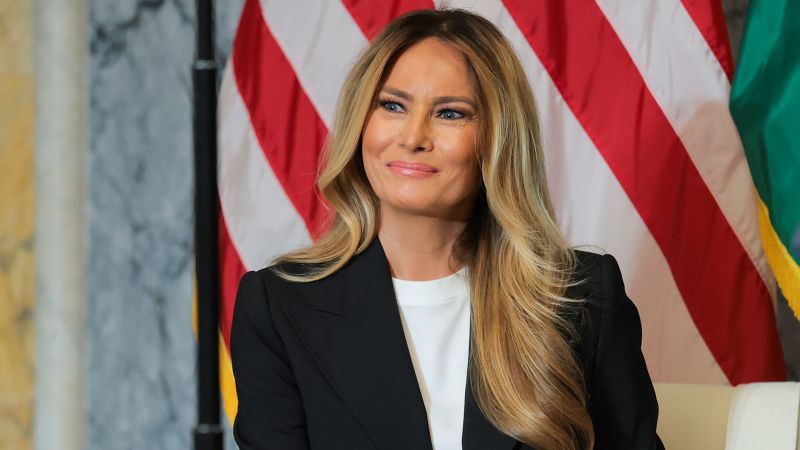
Cancel brought the concern to the office of First Lady Melania Trump, whose second term has included a focus on children in foster care. The first lady has used her platform to advocate for systemic improvements, working on legislative efforts and other initiatives aimed at supporting marginalized groups. Upon hearing the issue, Trump’s office swiftly responded. “They jumped into action,” Cancel explained. “And they asked, ‘how can they help?’ and pulled people together.” This prompt response led to the creation of “Fostering the Future Accounts,” a revised framework that allows state child welfare agencies and representatives of foster youth to open accounts for children in care. The program, which officially launches on July 4, expands eligibility and addresses the gaps in the original design.
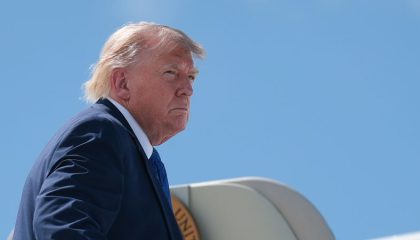
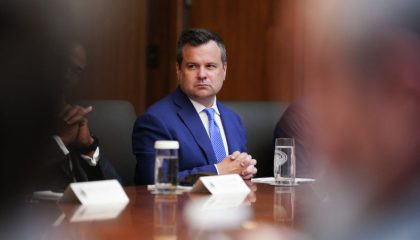
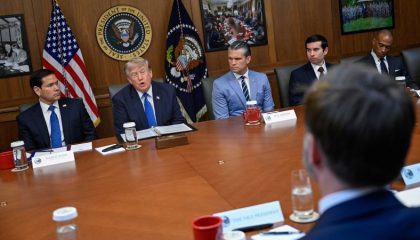
The initiative is a critical adjustment for foster kids, who often face instability in their legal guardianship. By enabling state agencies and advocates to manage account setups, the program ensures that these children are not overlooked. First Lady Melania Trump’s office collaborated with state governments and the Treasury Department to develop the new guidelines, which provide clearer pathways for foster youth. The announcement took place at the Treasury Department, where Trump appeared alongside Treasury Secretary Scott Bessent, a first for the president in recent months. This visible support underscores the administration’s commitment to the cause.
Program Details and Eligibility
The Fostering the Future Accounts are open to any child who is a U.S. citizen and has a valid Social Security number. This includes those in foster care, as well as other eligible children. For the original Trump Accounts, the federal government offers a one-time $1,000 pilot contribution to children born between January 1, 2025, and December 31, 2028. However, foster kids do not receive this initial funding automatically. Instead, a parent or foster parent can choose to allocate the $1,000 if they expect the child to remain in their care. This flexibility allows families to secure the contribution for their qualifying child.
Additionally, states have the option to contribute federal survivor benefits and unobligated Temporary Assistance for Needy Families (TANF) funds into these accounts. This means the program can adapt to local needs, ensuring that resources are allocated effectively. When foster youth reach the age of 18, they gain access to the funds, a feature Trump’s office emphasized as a path to personal independence. “It’s a first step toward personal independence,” the first lady stated in her remarks. The program aims to empower children by giving them financial tools to navigate adulthood, especially after they leave the foster care system.
The number of American youth in foster care is significant, with approximately 400,000 living in the system, according to the U.S. Department of Education. One in five of these children may experience homelessness as they age out, and only half obtain stable employment by 24. These statistics underscore the importance of financial support for foster youth. The new accounts provide a way to address these challenges, offering a long-term solution that could help children transition more smoothly into independent living.
Collaboration and Expansion
Efforts to expand the program have already gained traction. As of now, 23 states—each led by a Republican governor—have opted into the initiative. However, the work is not complete. Advocacy groups, including Think of Us, continue to push for broader participation. The Treasury Department has also played a key role, providing additional guidance and support to state welfare agencies. Secretary Bessent noted that this assistance helps maximize the benefits for participants, ensuring the program is both accessible and impactful.
For Sixto Cancel, the program represents more than just a policy change—it’s a meaningful milestone. Having once been part of the foster care system himself, Cancel views the initiative as a lifeline for children who often face systemic challenges. “To have that as a high schooler—think, ‘I can use that to get an apartment’—brings you a peace of mind that is unexplainable,” he said. This perspective highlights the emotional and practical significance of the accounts for foster youth, who may lack consistent support from family members.
The collaboration between the first lady’s office, state governments, and the Treasury Department demonstrates a unified effort to address the needs of foster children. While the initial Trump Accounts had limitations, the revised program reflects a more inclusive approach. It acknowledges the unique circumstances of foster youth and provides them with the tools to build financial security. As the accounts launch on July 4, the hope is that they will serve as a foundation for greater stability and opportunity in the years to come.
Advocates for children’s welfare see this as a significant step forward, though challenges remain. The success of the program depends on continued engagement from state agencies and the availability of resources. With 23 states already on board and efforts to attract more underway, the initiative has the potential to make a lasting difference. For the millions of children in foster care, the Fostering the Future Accounts may offer a sense of hope and control over their futures—a promise that goes beyond mere financial support.
President Trump’s participation in the announcement also signals a broader recognition of the issue. While he has traditionally maintained a low public profile, his presence at the Treasury Department highlights the administration’s prioritization of foster youth. This visibility could encourage further investment in the program, ensuring that it reaches its full potential. As the first lady’s office continues to work with advocates and state leaders, the goal is to create a system that supports children through their most vulnerable years and empowers them to thrive independently.