Trump Administration Appeals Judge’s Ruling on Kennedy Center Name Change
Sandego.net – The Trump administration has filed an appeal against a federal judge’s decision to remove President Donald Trump’s name from the Kennedy Center. The ruling, issued on Thursday, overturned the center’s plan to rename the iconic arts venue in his honor, marking a significant shift in the institution’s identity. The court’s order requires the center to eliminate all references to the president’s name in its branding, signage, and promotional materials, setting the stage for a legal showdown over the symbolic impact of the renaming. This move by the Trump administration underscores the ongoing debate between political symbolism and institutional compliance.
Board’s Response to the Ruling
In response to the court’s decision, the Kennedy Center’s board of trustees—selected by President Trump—has pledged to challenge the ruling. The board argued that the name change was a legitimate expression of its commitment to recognizing leadership in the arts. Despite the judge’s finding that the board acted prematurely, the Trump administration continues to assert that the renaming process was both lawful and symbolic. The appeal aims to preserve the center’s connection to the president’s legacy while defending its governance decisions.
The legal battle has intensified as the board seeks to justify its actions under the Kennedy Center’s governing statutes. These statutes permit the naming of facilities to honor significant contributions to the arts, a point the administration emphasizes in its arguments. However, the judge had previously criticized the process for lacking transparency, noting that public input was insufficient before the final decision was made. The Trump administration maintains that the name change aligns with the center’s mission and reflects its support for cultural institutions.
Details of the Court’s Decision
U.S. District Judge Casey Cooper’s ruling highlighted the board’s failure to consider the implications of the name change on the center’s statutory obligations. The judge ruled that the renaming initiative, which had been implemented without adequate review, violated the organization’s legal framework. This decision grants the center 14 days to remove all mentions of President Trump’s name from its branding and operations. The ruling has also affected the center’s renovation plans, as the temporary closure remains in effect but with revised naming protocols.
While the court’s order mandates the removal of the name, it allows the center to continue its renovation efforts as long as it maintains public programming. This flexibility is viewed as a compromise by the board, which sees the ruling as a threat to its political agenda. The judge’s comments underscore the tension between honoring a presidential figure and upholding the legal integrity of the Kennedy Center, a institution known for its role in American cultural excellence.
“The board’s decision to rename the center without fulfilling its legal duties represents a major oversight,” stated a legal analyst, adding that the ruling could set a precedent for future name changes. “The Trump administration’s appeal is not just about a name—it’s about the balance of power in public institutions.”
Immediate Actions and Reactions
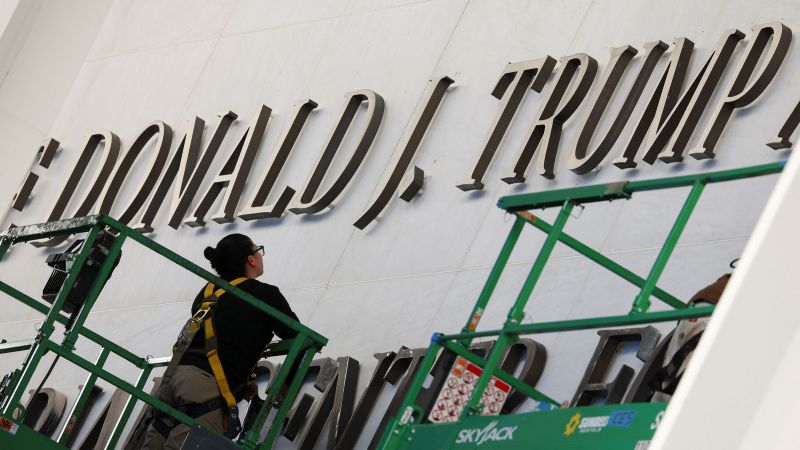
Following the ruling, the Kennedy Center has begun updating its branding to comply with the court’s directive. Staff members have been instructed to remove the name “Trump Kennedy Center” from email signatures, and a new logo has been introduced to reflect the change. However, the exterior signage and public displays still bear the president’s name, creating a visual contrast between the updated branding and the physical identity of the venue.
The decision has sparked mixed reactions among the center’s employees and visitors. Some support the name change as a tribute to the president’s cultural initiatives, while others criticize it for being politically motivated. The center’s leadership maintains that the renaming was a deliberate effort to honor the president’s contributions, but the legal challenge highlights the complexities of maintaining a public image that aligns with both historical significance and current governance. The appeal now becomes a focal point in the ongoing discourse about the role of politics in cultural institutions.