Israeli Military Admits for First Time Firing on Car
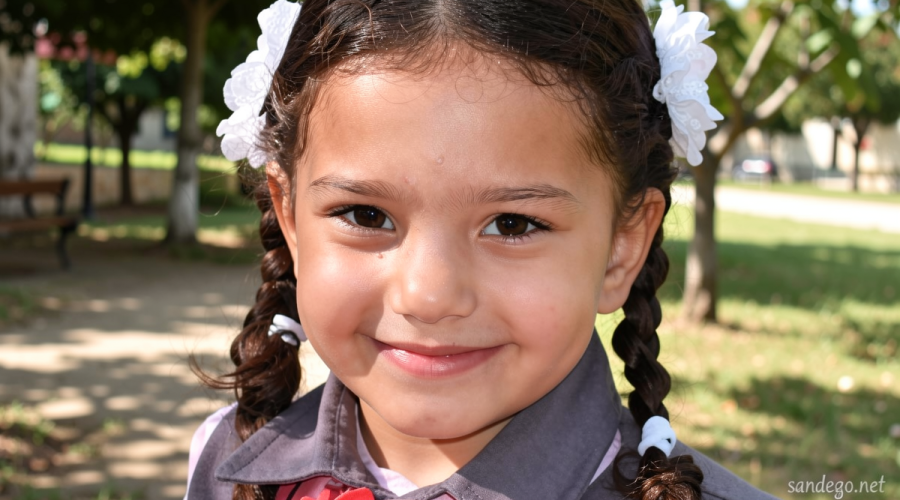
Sandego.net – For the first time, the Israeli military admits for first time that its soldiers opened fire on the vehicle carrying five-year-old Hind Rajab in northern Gaza, and it has launched a criminal probe into the January 2024 killing. The admission marks a sharp reversal: months after the incident, the Israel Defense Forces had told the public that a preliminary review found its troops were “not present near the vehicle or within firing range.” Now, according to a Wednesday statement, the IDF says its examination “indicate[s] that IDF troops fired at a vehicle that was approaching them,” and the Military Police Criminal Investigation Division will lead the inquiry.
From Denial to Criminal Investigation
Rajab was among seven family members riding in a car when it came under Israeli fire in northern Gaza. She survived the initial barrage and spent hours on the phone begging Palestinian paramedics to reach her. An ambulance sent to extract her was itself struck. Twelve days after the shooting, her body was recovered inside a bullet-riddled vehicle. The Hind Rajab Foundation responded to the announcement by noting that Israeli military probes “overwhelmingly end without meaningful examination, prosecution, or punishment,” and that the rare convictions that do occur carry “exceptionally lenient or administrative” sentences.
The phone recordings of Rajab pleading for help became a global symbol of the war’s toll on children, fueling sustained demands for accountability. A feature film built around those recordings, The Voice of Hind Rajab, received an Oscar nomination in 2026.
Broader Findings: What the IDF Decided on Wednesday
The Rajab probe is one of two high-profile criminal investigations announced as part of the IDF’s first comprehensive war-crimes report since the conflict began in October 2023. The General Staff’s Fact Finding and Assessment Mechanism completed reviews of 150 incidents and forwarded them to the military advocate-general. Five determinations were released Wednesday; the remainder await a final ruling.
The second criminal investigation covers the March 2025 killing of 15 paramedics and first responders traveling in ambulances and other emergency vehicles. The IDF had initially described the convoy as driving “suspiciously” without headlights or emergency signals, but video later surfaced showing the vehicles with flashing lights. The responders were interred in a mass grave alongside their wrecked vehicles. The military acknowledged “professional failures” while insisting there were “no ethical gaps,” yet its Wednesday statement conceded that “the firing conducted during the incident raises a reasonable suspicion of criminal misconduct.”
Three additional incidents received no criminal probe. Those include the April 2024 airstrike that killed seven World Central Kitchen (WCK) aid workers in Deir El-Balah, a February 2024 strike on a Doctors Without Borders / Médecins Sans Frontières (MSF) shelter in Khan Younis that killed two staff members, and a November 2023 strike on an MSF convoy that killed two more. In the WCK case, the IDF found “serious failures” in the process that led troops to believe the humanitarian convoy had been seized by Hamas fighters, but the advocate-general nonetheless concluded there was no “reasonable suspicion of criminal misconduct.”
“At the time of the Weck attacks, the IDF knew that our team in Gaza was unarmed and posing a threat to nobody. It had full visual clarity on our clearly marked humanitarian vehicles during the extended, multiple airstrikes. It knew our team’s movements, identities and activities in advance.” — World Central Kitchen statement
WCK called the decision “inconsistent with the full truth and deeply offensive,” adding that the investigation “conflates different timelines and events, muddies the story and shifts the blame for the IDF’s illegal conduct.”
Frequently Asked Questions
When did the Israeli military first admit firing on Hind Rajab’s vehicle? The admission came on Wednesday, August 19, 2026, when the IDF released its first comprehensive war-crimes report and confirmed a criminal investigation into the January 2024 killing.
What was the IDF’s earlier position? Months after the incident, the military said a preliminary investigation found its forces were “not present near the vehicle or within firing range,” effectively denying involvement.
How many incidents did the IDF review in total? The Fact Finding and Assessment Mechanism concluded 150 inquiries. Five decisions were published Wednesday; the rest await the military advocate-general’s ruling.
What happened to the ambulance sent to rescue Rajab? The Palestine Red Crescent ambulance dispatched to reach her also came under fire. Her body was recovered twelve days later inside a car riddled with bullets.
Did the IDF open criminal probes into the other aid-worker killings? No. The military declined to investigate the WCK, MSF shelter, and MSF convoy incidents, finding no “reasonable suspicion of criminal misconduct” despite acknowledging operational failures in at least one case.