Trump Further Muddies Blanche Negotiations Over Anti-Weaponization Fund
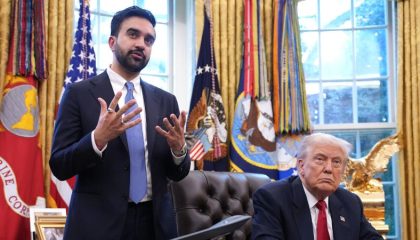
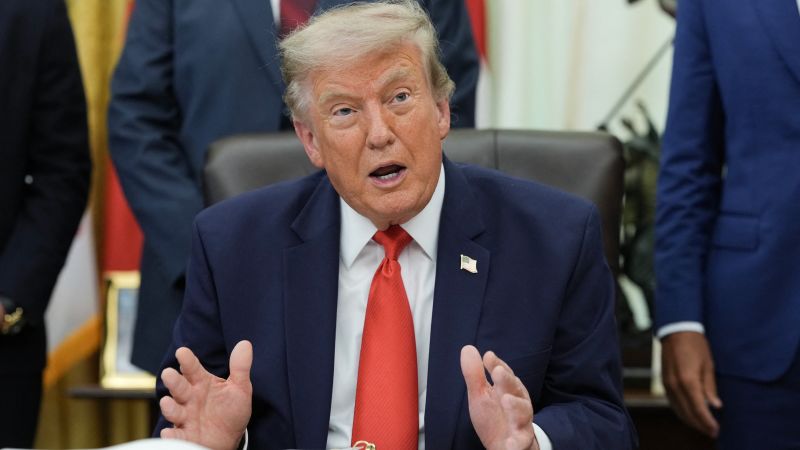
Sandego.net – President Donald Trump further muddies Blanche negotiations as White House and Justice Department officials work to resolve Todd Blanche’s attorney general nomination. Speaking Friday, the president expressed conflicting views about the controversial $1.8 billion anti-weaponization fund, stating it is “dead” while adding, “I wish it weren’t.” This development comes as key Republican senators signal they will withhold confirmation votes until receiving written guarantees that the fund will not be revived alongside commitments regarding tax investigations.
Senators Demand Written Assurances
Senators John Cornyn of Texas and Thom Tillis of North Carolina have made clear their position on the nomination. Tillis responded on X Friday morning, noting that Trump’s comments reinforced why written assurances were necessary. “The President made it clear today that the so-called Anti Weaponization Fund is still alive, which is exactly why we are attempting to formally end it,” Tillis wrote. While Blanche has publicly declared the fund “dead” and the Justice Department has told courts the program was abandoned, officials have previously declined to formalize this commitment in writing.
“I think the DOJ needs a Senate-confirmed attorney general, and Todd Blanche is probably about as good as we’re going to get, and so I just think they need to do what Todd Blanche swore that this deal meant. They need to put that in writing so it’s enforceable.” — Senator John Cornyn
The anti-weaponization fund was originally created through a settlement agreement between the Internal Revenue Service and Trump’s personal lawyers. This program would have provided taxpayer money to individuals claiming victimization by the federal government, including those connected to the January 6, 2021, US Capitol riot. Cornyn has emphasized his desire for Blanche to clarify an addendum to that agreement granting tax immunity to the president and family members, specifically limiting it to past tax investigations mentioned in the settled lawsuit.
Political Tensions and Legal Battles Continue
These demands have placed Blanche in a challenging position, as limiting the tax addendum could upset the president. During the Cabinet meeting, Trump reiterated his claim that Cornyn remains “very angry” about being snubbed in the Texas primary when the president endorsed Ken Paxton instead. Cornyn has denied this characterization. In both his Truth Social post and Cabinet remarks, Trump maintained that the fund would not have personally benefited him, describing it as compensation for those “whose lives were unfairly and illegally destroyed” by the Biden administration.
Meanwhile, legal proceedings continue to evolve alongside the political negotiations. Trump’s private attorneys filed an appeal on Friday regarding Judge Kathleen Williams’ ruling that imposed sanctions on them for their conduct in the litigation that produced the controversial IRS settlement. Williams, who had been assigned Trump’s lawsuit against the IRS before its dismissal, agreed with retired judges that the parties’ behavior warranted sanctions. She referred one Trump attorney for disciplinary proceedings and barred another from appearing in her court district for a year. The 11th US Circuit Court of Appeals will now review her decision, which stated that Trump sought to “manipulate the judicial process” in bringing the case.
What This Means for the Nomination
As Trump further muddies Blanche negotiations with his mixed messages, Cornyn has indicated he is not seeking an alternative nominee but rather wants the written assurances he originally requested. The situation highlights the complex intersection of political considerations and legal commitments surrounding Blanche’s potential confirmation. For more updates on this developing story, readers can follow CNN’s coverage of congressional proceedings and judicial developments.
Frequently Asked Questions
What is the anti-weaponization fund and why is it controversial? The anti-weaponization fund is a $1.8 billion program established through an IRS settlement with Trump’s lawyers. It would provide taxpayer money to individuals claiming federal government weaponization, including January 6 riot participants. The controversy centers on whether the fund should be revived and whether it unfairly benefits Trump supporters.
Why are Senators Cornyn and Tillis blocking Blanche’s nomination? Both senators want written assurances that the anti-weaponization fund will not be resurrected and that the tax immunity addendum only covers past investigations against the president and those named in the settled lawsuit.
What role does the tax immunity addendum play in these negotiations? The addendum to the IRS settlement offers tax immunity to Trump and family members. Cornyn wants Blanche to clarify that this protection only applies to past tax investigations mentioned in the original lawsuit, not future ones.
How might the legal sanctions against Trump’s attorneys affect the nomination process? While the sanctions are separate from the political negotiations, they demonstrate ongoing legal challenges surrounding the same IRS settlement that created the anti-weaponization fund. The 11th Circuit Court of Appeals will review whether Trump’s legal team manipulated the judicial process.