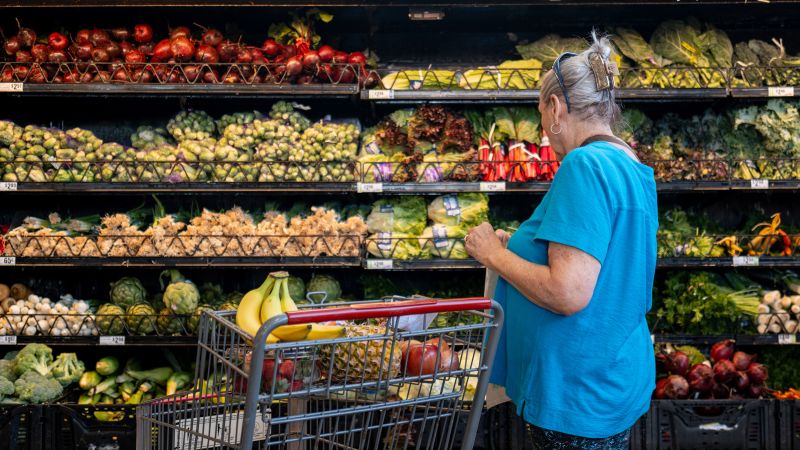
Want to save money at the grocery store? It’s harder than you think
Sandego.net – Supermarkets have become microcosms of economic shifts, where prices fluctuate based on a complex mix of global events, seasonal changes, and supply chain dynamics. While the overall inflation rate stands at 4.2%, grocery prices have risen by 2.7% over the past year—a figure that might seem manageable, but it masks the deeper challenges consumers face in making cost-effective choices. The disparity between rising fuel costs and grocery prices highlights how external factors like the US-Israeli conflict with Iran continue to ripple through the market, particularly affecting perishable goods. For instance, shipping expenses for items such as fresh produce have spiked, making it harder for shoppers to find budget-friendly options in their local stores.
The Produce Aisle: A Mixed Bag
Despite the overall trend, certain fruits and vegetables remain relatively affordable. Fresh fruit prices have increased by 2.1% annually, which is lower than the inflation rate and the grocery sector’s average. However, not all produce fares equally. Apples, for example, have seen a 5.6% price hike due to their reliance on imported supply chains, where diesel costs have surged. Citrus fruits, like oranges, have risen by 6.1%, primarily because of the ongoing citrus greening disease in Florida and Brazil, which has devastated crops and driven up demand. Fresh vegetables, on the other hand, have experienced a more dramatic 11.9% increase. Tomatoes, often mistakenly categorized as fruits, have skyrocketed by 32% this year, attributed to a combination of harsh winter weather, excessive rainfall, and tariffs. Similarly, lettuce prices have climbed 24.9%, mirroring the challenges faced by tomatoes.
Pro tip: Buy potatoes and bananas. Their prices have fallen 0.6% and 1.2%, respectively, over the past year because of remarkably good harvests in Idaho and Costa Rica this year.
These stable staples offer a silver lining in an otherwise volatile market. While banana prices have generally trended upward, this year’s surplus has brought them down to affordable levels. Still, consumers should remain cautious—despite the decline, rising costs in other categories mean even minor savings can add up over time. For example, the average banana still costs less than $10, a small but meaningful difference for weekly shoppers.
From Coffee to Canned Goods: The Cost of Everyday Items
Consumers are also grappling with higher prices for staple beverages. Coffee, a common household item, has seen a 17.5% increase in the last year, driven by tariffs and climate-related disruptions. While freezing coffee at home can save money, it’s unlikely to offset the overall cost rise. In contrast, tea prices have only climbed 1.4%, making it a more economical choice for those seeking a morning boost.
Pro tip: Choose tea instead. Prices are up just 1.4%.
When it comes to canned goods, the same pattern holds. Canned fruits and vegetables have increased by 5.2% annually, with fruits alone rising by 7.1%. This trend underscores how inflation is not evenly distributed across product categories. Canned items, while more stable than fresh produce, are still impacted by rising input costs. Similarly, frozen foods provide a more predictable price trajectory, with an average increase of 2.1% over the past year. Advocates argue that frozen produce retains its nutritional value during flash-freezing, offering a healthier alternative without the same volatility as fresh options.
The Cost of Meat: Beef, Pork, and Chicken
Protein prices have also shifted significantly, with beef leading the charge at a 12.9% increase. This surge is linked to a historic low in cattle herds, severe droughts in the southern United States, and the rising cost of animal feed. Even the threat of invasive pests, such as the screwworm, has contributed to the strain on supply. For seafood, fresh fish prices have risen by 6.5%, but frozen alternatives have fared worse, climbing 7.5%—a trend that challenges the assumption that freezing always lowers costs.
Pro tip: Switch what you’re grilling. Pork is up just 2.6% over the past year. And chicken is down 0.6%, still falling after a nasty bout of avian flu a year ago.
Meanwhile, the avian flu crisis has had a dual impact. While egg prices have plummeted 35.2% since last year, driven by a decline in production, other items like bacon have risen only 1%, and cereal prices are up 1.2%. This stability is due to the nature of shelf-stable foods, which can be stored for extended periods without immediate price sensitivity to fuel costs. However, the drop in egg prices serves as a reminder that some categories can offer unexpected bargains, even amid inflation.
Sweet Treats: A Hidden Cost
When it comes to indulgences, the numbers tell a different story. Candy prices have risen by 9.3% this year, with chocolate leading the increase. This is partly because of tariffs on imported ingredients and the long-term effects of climate change on agricultural yields. For those who prefer frozen desserts, the situation is slightly better. Pies and tarts have increased by just 0.2%, making them a more budget-friendly option for satisfying cravings. However, the overall trend for sweets remains upward, prompting experts to advise moderation not just for health reasons but also to curb spending.
As shoppers navigate these challenges, it’s clear that the grocery store is more than just a place for essentials—it’s a reflection of the broader economic landscape. Understanding the nuances of price changes, from the impact of global conflicts to the role of weather patterns, can empower consumers to make informed decisions. While some items offer savings, others continue to climb, making the task of finding value more complex than it appears. With careful planning and awareness of these trends, it’s still possible to navigate the aisles without breaking the bank.