Vance Suggested Tucker Carlson Interview Ghislaine Maxwell in Epstein Scandal, Book Claims
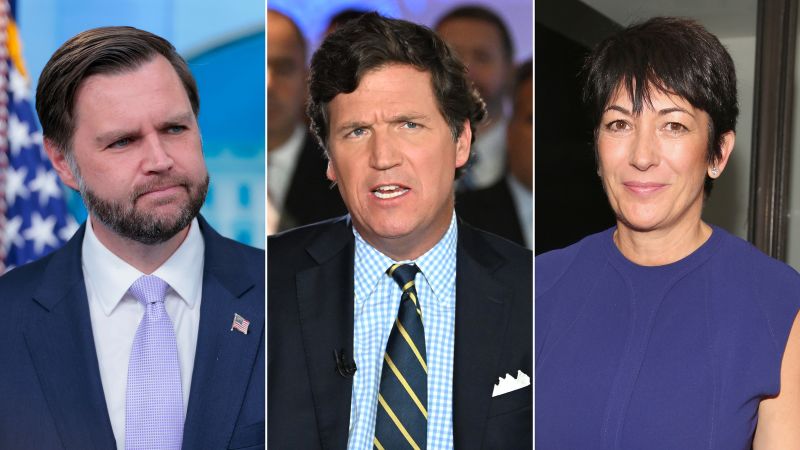
Sandego.net – Amid the fallout from the Jeffrey Epstein scandal, a new book claims Vice President JD Vance encouraged Tucker Carlson to interview Ghislaine Maxwell, a central figure in Epstein’s network. The revelation comes from an excerpt in *Regime Change: Inside the Imperial Presidency of Donald Trump*, co-authored by reporters Maggie Haberman and Jonathan Swan, which is set to release on June 23, 2026. According to the text, Vance proposed during a high-level Situation Room meeting on July 17, 2025, that Carlson conduct an interview with Maxwell while she was incarcerated. This move was intended to strengthen Trump’s public image during a period of intense scrutiny over his ties to Epstein, a former sex offender who had been linked to numerous allegations of misconduct.
Internal Strategy to Manage Public Perception
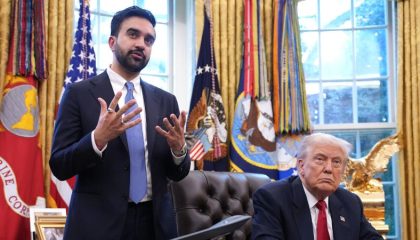
The Situation Room meeting took place as the Trump administration grappled with congressional demands for transparency regarding Epstein-related documents. Top officials, including Deputy Attorney General Todd Blanche, Chief of Staff Susie Wiles, and Communications Director Steven Cheung, were present. Vance’s suggestion to have Tucker Carlson interview Ghislaine Maxwell was part of a broader effort to control the narrative. By leveraging Carlson’s platform, the administration hoped to present a more favorable account of Maxwell’s role in the scandal, even as her criminal convictions loomed.
“This is a huge problem,” Vance told those gathered at the meeting, which included then-Deputy Attorney General Todd Blanche, Chief of Staff Susie Wiles, and Communications Director Steven Cheung, according to the book’s excerpt. “We need to shape the story before it spirals out of control.”
Vance’s strategy emphasized the importance of media engagement, particularly with Tucker Carlson. The vice president argued that the interview could serve as a counterpoint to the growing body of evidence implicating Trump. This approach aligned with the administration’s goal of maintaining momentum in favor of Trump’s reputation, even as new testimonies and documents emerged. The suggestion also reflected a shift in how the White House planned to address the scandal, moving from defensive posturing to proactive messaging.
Documents and Testimonies Shaping the Narrative
Following the meeting, the administration released over a thousand Epstein-related documents, which included unverified allegations against Trump. The files featured statements from a woman who claimed Trump had raped her at age 13, as well as an FBI interview where Maxwell asserted she had not seen Trump engage in improper behavior with Epstein. Vance’s push for the interview with Maxwell was a strategic attempt to reconcile these conflicting accounts and present a unified front. The vice president’s proposal underscored the administration’s willingness to use media platforms to soften the blow of the scandal.
The interview with Maxwell, conducted in a Florida prison, became a focal point of the administration’s efforts. While the White House offered limited immunity for her testimony, the event was seen as a way to bolster Trump’s defense. The strategy also included the possibility of pardoning Maxwell, which drew mixed reactions from officials. Some supported the move as a means of securing her cooperation, while others worried it might compromise the integrity of the investigation. This debate highlights the lengths to which the administration was willing to go to protect Trump’s legacy during the Epstein crisis.
As the scandal unfolded, the focus on Tucker Carlson’s potential interview with Ghislaine Maxwell became a key part of the White House’s communication plan. The administration aimed to use Carlson’s influence to frame the narrative, ensuring that Maxwell’s testimony would be presented in a way that minimized its impact on Trump’s image. This strategy reflects the broader tactics employed during the Epstein fallout, where controlling the story was as important as uncovering the facts. The suggestion also reveals the collaborative nature of the administration’s response, with high-ranking officials working together to manage public perception.