Feds Charge 8 Pro-Palestinian Activists in Michigan Intimidation Case
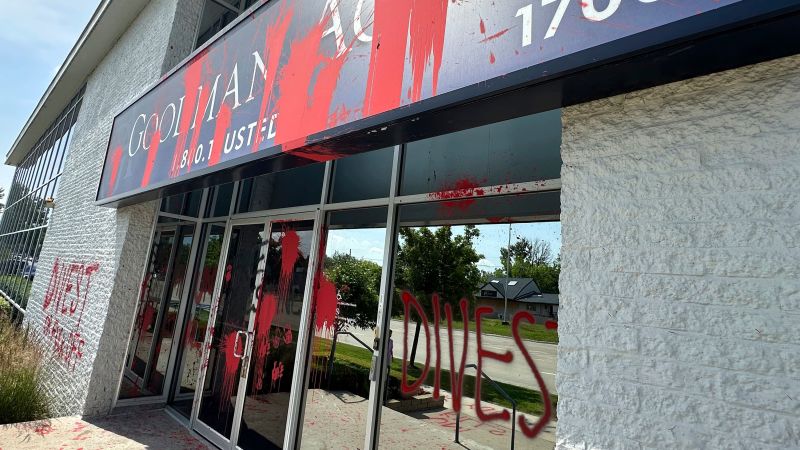
Sandego.net – Feds charge 8 pro-Palestinian activists with conspiring to intimidate officials at the University of Michigan, according to a federal indictment released on Wednesday. The eight individuals, linked to pro-Palestinian movements, are accused of orchestrating a coordinated effort to pressure the university into ending its financial ties with Israel. The case also highlights acts of vandalism targeting businesses and the Jewish Federation of Metropolitan Detroit, linking the activists to a broader pattern of disruptive actions.
Indictment Targets 8 Pro-Palestinian Activists in Michigan Intimidation Case
The federal charges allege that the group engaged in a campaign of intimidation through symbolic gestures and targeted disruptions. Among the alleged acts are the placement of life-sized, blood-stained mannequins on the lawn of a university board member and the defacing of the home of former president Santa Ono with anti-Israel slogans. These actions are said to have used imagery associated with Hamas, including red upside-down triangles and handprints, to instill fear in officials connected to Israel.
“In America, we rule by law, not by fear. These alleged threats and efforts to terrorize government officials, businesses, and the Jewish Federation represent an anti-American approach to protest,” stated U.S. Attorney Jerome Gorgon Jr. in a statement following the indictment.
University of Michigan’s Response to Pro-Palestinian Protests
The University of Michigan has been at the center of pro-Palestinian activism since the Israel-Hamas war intensified. Demonstrators have called for the institution to sever its financial connections with Israeli entities, arguing that the university’s endowment indirectly supports companies linked to the conflict. The university, however, maintains that its investments in Israel are minimal, accounting for less than $15 million—less than 0.1% of its total endowment.
In 2024, a pro-Palestinian encampment on campus was dismantled by law enforcement after a month-long occupation, which the university justified as a threat to public safety. The decision sparked debate about the balance between free speech and institutional stability, with critics accusing the university of overreacting to peaceful demonstrations.
Legal and Social Context of the Charges
The charges against the eight activists come amid a growing national conversation about the legal limits of protest. Pro-Palestinian groups have increasingly used public demonstrations and symbolic acts to highlight their cause, often framing their actions as nonviolent resistance. However, federal prosecutors argue that repeated threats and coordinated vandalism indicate a larger conspiracy to intimidate key figures and organizations.
“The indictment reflects a pattern of behavior that goes beyond protest, suggesting a deliberate strategy to create fear and pressure decision-makers,” said Gina Balaya, spokesperson for the U.S. Attorney’s Office. “Six of the eight individuals are scheduled to appear in federal court, while two remain at large.”
Broader Implications for Pro-Palestinian Movements
This case underscores how pro-Palestinian activists can draw federal attention when their actions are perceived as crossing into criminal behavior. The Jewish Federation of Metropolitan Detroit, a focal point of the indictment, has been targeted as part of the group’s broader efforts to disrupt institutions with ties to Israel. The arrest of one individual in Wisconsin and the ongoing search for another further illustrate the nationwide reach of the alleged conspiracy.
Pro-Palestinian advocates have praised the movement’s commitment to holding universities accountable for their global policies, while others warn that the federal charges could set a precedent for stricter oversight of activist groups. The University of Michigan’s response continues to shape the debate, with supporters lauding its neutrality and opponents calling for more transparency in its financial decisions. As the case unfolds, it may redefine the boundaries of protest in academic and political spaces.