Trump argues lawsuit seeking to halt White House UFC fight was brought too ‘late’
Sandego.net – The Trump administration has launched a legal defense against a lawsuit attempting to block an upcoming UFC event at the White House, asserting that the plaintiffs’ case was filed too late to warrant immediate judicial action. The lawsuit, initiated by two Virginia residents, challenges the event’s scheduling, claiming it violates federal guidelines and disrupts the symbolic integrity of government spaces. Federal attorneys, representing the Justice Department, have asked Judge Amit P. Mehta to dismiss the request, emphasizing that the timing of the legal challenge undermines the event’s legitimacy and the extensive efforts to organize it.
Key Arguments from the Government
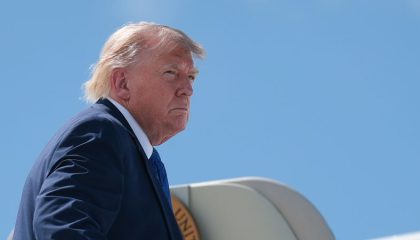
In a recent court filing, the administration highlighted the potential consequences of halting the event. They stated that a judicial order to cancel the UFC fight would disrupt months of preparation, placing undue pressure on multiple stakeholders. These include President Donald Trump, who has been a vocal supporter of the event, thousands of spectators anticipated to attend, and over a dozen athletes scheduled to participate. The Justice Department lawyers argued that the plaintiffs have not demonstrated sufficient urgency to justify intervention at this stage, and that the public interest favors proceeding with the event.
“No one is holding plaintiffs in a jiu jitsu lock, forcing them to watch UFC Freedom 250 against their will. The public interest does not favor allowing them to exercise a heckler’s veto, particularly at this late date,” the government attorneys wrote in the filing.
The plaintiffs, who describe themselves as concerned citizens, claim the event causes them “aesthetic injury.” They argue that the UFC fight’s presence on the White House grounds detracts from the historical and ceremonial value of the space. The Justice Department countered that these claims are not strong enough to override the practical benefits of the event, which includes generating public excitement and showcasing the nation’s athletic culture.
Plaintiffs’ Claims and Legal Context
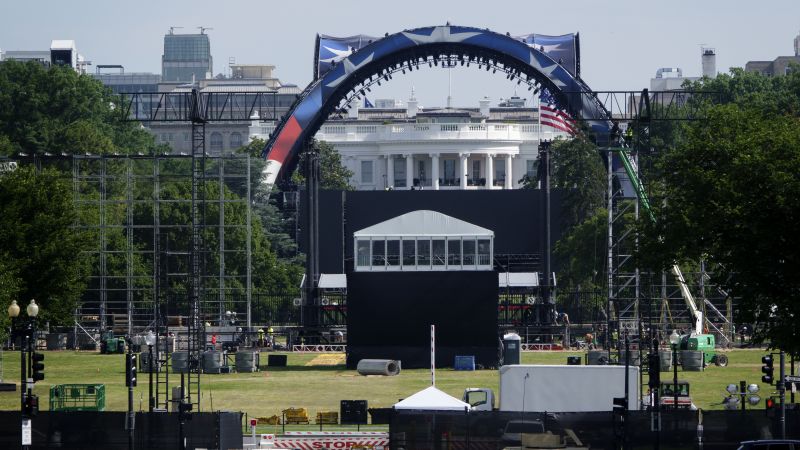
The lawsuit, filed on Saturday by the Public Integrity Project, alleges that officials bypassed federal rules to host the privately organized event on government property. Specifically, the plaintiffs contend that the event violates a law requiring congressional approval before structures can be erected on public land in Washington, DC. They also assert that the setup of the massive arena on the White House’s South Lawn represents a significant departure from standard procedures.
Judge Mehta, who is currently evaluating the emergency request, will assess several factors. These include whether the decision to block the event would unfairly disadvantage one party, the public interest in stopping the government action, and the strength of the plaintiffs’ claims. The administration maintains that the plaintiffs’ arguments lack merit, pointing out that federal law permits temporary structures on presidential grounds without prior congressional consent.
“Plaintiffs’ aesthetic interests are dwarfed by the amount of time, labor, and funding that has been invested in reliance upon an understanding that the planned activities will take place,” the government attorneys added.
Additionally, the administration warned that any delay could pose health risks to the 14 athletes involved. Prolonged weight cutting, a common practice in combat sports, is said to increase the likelihood of heat-related illnesses, urinary issues, and even kidney failure. The Justice Department further noted that the structure will be dismantled by Monday, minimizing long-term impacts on the White House’s appearance.
Public Interest and Judicial Priorities
While the lawsuit highlights concerns about the event’s impact on public spaces, the administration stressed that the public interest lies in allowing the fight to proceed. They pointed to the enthusiasm of fans and service members planning to attend or watch remotely, arguing that the event embodies a shared national experience. The government also questioned the plaintiffs’ ability to demonstrate immediate harm, suggesting that the damage caused by a last-minute cancellation would outweigh the benefits of proceeding.
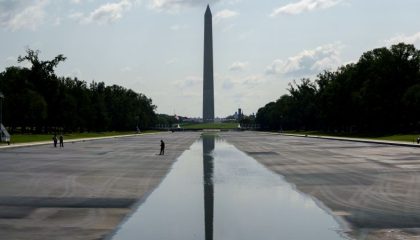
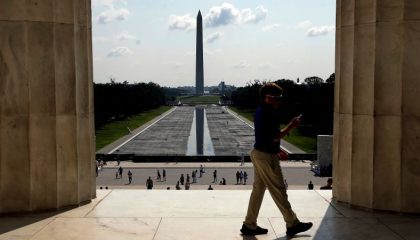
Lawyers for the challengers, however, have pushed for a swift decision, urging the judge to rule by Thursday. They emphasized that the harm to the plaintiffs is irreparable once the event occurs, as the violation of the White House’s character and the Lincoln Memorial’s sanctity would be irreversible. “Once the cage fights are staged on the South Lawn and the weigh-ins are held at the Lincoln Memorial, the violation of the character and sanctity of these monumental spaces will be complete and incapable of remedy through later proceedings,” they wrote in court papers.
The event, UFC Freedom 250, is set to take place on Sunday, following a ceremonial weigh-in at the Lincoln Memorial on Saturday. The Trump family has already begun promoting commemorative coins tied to the fight, signaling their commitment to the initiative. Critics, however, argue that the event’s location raises questions about the balance between public engagement and the preservation of government spaces.
As the legal battle unfolds, the case has drawn attention to broader debates about the use of federal property for private events. The administration’s defense hinges on the idea that the plaintiffs delayed their action, allowing the event to gain momentum and public support. Meanwhile, the challengers insist that the timing of the lawsuit is irrelevant, as the event’s presence on government grounds represents a fundamental breach of protocol.
Broader Implications for Government Events
The UFC fight at the White House has become a symbol of the administration’s approach to blending public and private activities. Legal experts suggest that the case could set a precedent for future events hosted on federal property, particularly those involving high-profile figures. The Justice Department’s argument that the plaintiffs’ claims are “meritless” underscores their confidence in the legality of the event.
Despite the administration’s efforts to dismiss the lawsuit, the case has sparked conversations about the rights of citizens to challenge the use of public spaces. The plaintiffs’ focus on “aesthetic injury” highlights a unique angle in legal discourse, one that emphasizes the emotional and visual impact of government decisions. As the judge weighs these arguments, the outcome may influence how future events are perceived and managed within the White House complex.
With the event approaching, the pressure on the court to render a decision grows. The Justice Department’s filing, which outlines their stance, serves as a critical point in the legal strategy. Meanwhile, the plaintiffs continue to stress the importance of their claims, arguing that the event’s scheduling was rushed and lacks proper oversight. As the deadline for a ruling nears, the court’s decision could shape the legacy of this high-profile gathering and its place in the nation’s historical narrative.