
Thousands of Chicago-area home listings just went dark on Zillow. Here’s why
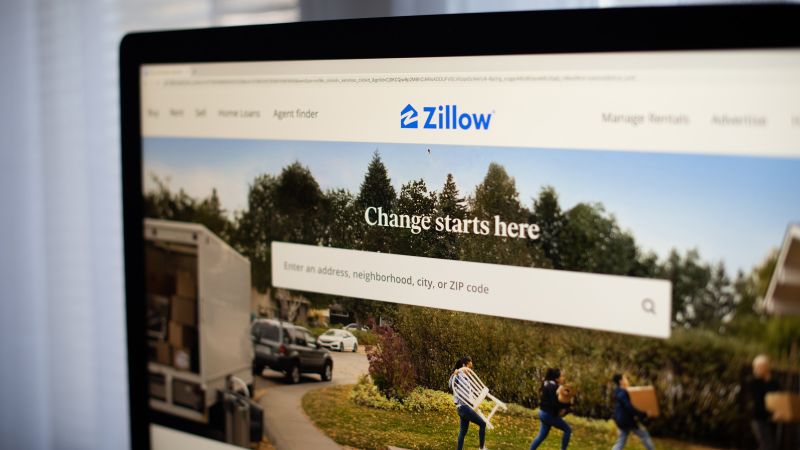
Thousands of Chicago-area home listings just vanished from Zillow. Here’s why
Thousands of Chicago area home listings – Thousands of Chicago-area home listings suddenly disappeared from Zillow last week, prompting confusion among buyers and sellers. The platform, which had previously showcased these properties, now leaves many users scrambling to understand the cause. This shift occurred after Midwest Real Estate Data (MRED), a regional home-listing database, cut Zillow’s access to its database. The move highlights a growing conflict between digital real estate platforms and private listing systems, which are reshaping how properties are marketed and viewed.
The Chicago-area Home Listing Crisis
As reported by Compass, a major real estate brokerage, nearly 5,000 Chicago-area home listings were still active on Zillow on Wednesday. By the afternoon, that number dropped to just over 2,000. The abrupt removal of these properties has raised concerns about market transparency and the reliability of online real estate platforms. MRED claims Zillow violated its licensing terms, but Compass argues that the decision was motivated by Zillow’s restrictive policies. This dispute underscores the power dynamics at play in the digital real estate landscape.
Zillow’s new policy, introduced last year, mandates that listings be published on the platform within 24 hours of being added by agents or brokerages. Failure to comply results in automatic removal. While the company defends this rule as a way to ensure fair competition, MRED and Compass accuse Zillow of prioritizing profit over accessibility. This policy has become a central issue in the ongoing legal battle between the platform and the private listing network, which aims to control how properties are presented to buyers.
The Legal Dispute Over Data Access
Earlier this week, Zillow filed a federal lawsuit against MRED and Compass, alleging a conspiracy to restrict access to its database. The company highlights that Compass holds three of the 17 seats on MRED’s board, giving it significant influence over the database’s operations. Zillow argues that this control allowed Compass to act against its terms, effectively limiting the visibility of Chicago-area home listings. The lawsuit has intensified the debate over who controls the flow of real estate data and how that affects market dynamics.
“Chicagoland home buyers and sellers this morning have far worse access to the housing market than they had yesterday, because their local MLS decided one megabrokerage’s profits mattered more than their ability to achieve the American Dream,” said a Zillow spokesperson.
Compass has defended its strategy, emphasizing that private listings allow sellers to manage their marketing more effectively. The company’s CEO, Robert Reffkin, has long supported this model, calling it a key tool for maximizing home value. However, critics argue that this approach could create an uneven playing field, favoring Compass and reducing competition among brokers. The situation has sparked discussions about the balance between transparency and control in the real estate industry.
Broader Implications and Market Trends
The suspension of Zillow’s access to MRED’s database has not only impacted Chicago-area home listings but also marked a turning point in the industry’s shift toward private listing systems. Since Compass acquired Anywhere Real Estate in January, it has emerged as the largest real estate brokerage in the U.S., solidifying its position in the market. This development reflects a growing trend where brokerages seek greater autonomy in how their properties are marketed, potentially challenging Zillow’s dominance in the digital real estate space.
As the legal battle unfolds, the future of Chicago-area home listings remains uncertain. Zillow continues to work with other brokerages to maintain its visibility, while Compass pushes for a more controlled approach. The outcome of this dispute could influence how buyers, sellers, and agents interact with real estate data, shaping the industry for years to come. For now, the sudden loss of thousands of Chicago-area home listings serves as a reminder of the evolving power struggles in the housing market.
