Through the Lens: Vultures Gain New Admiration
Sandego.net – As part of CNN’s editorial commitment to environmental storytelling, the “Call to Earth” series highlights pressing ecological issues alongside potential solutions. This initiative works in tandem with Rolex’s Perpetual Planet Initiative, aiming to educate audiences and motivate meaningful conservation efforts worldwide.
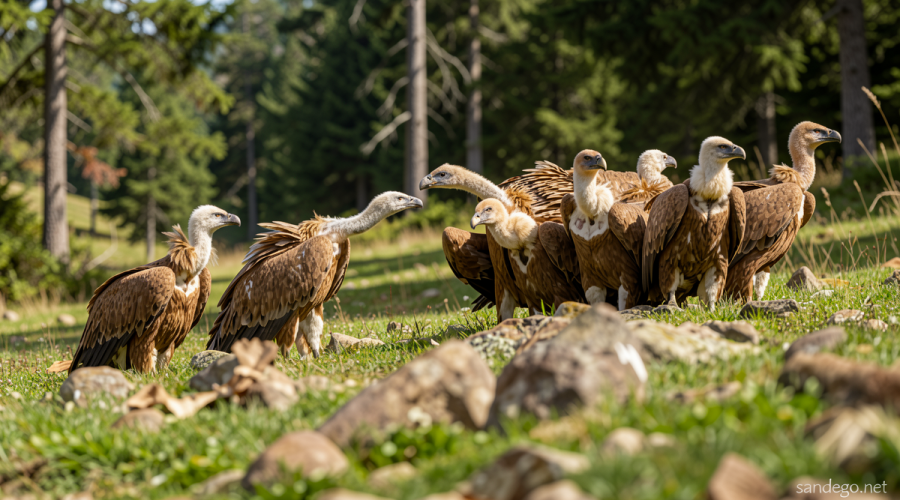
Despite their critical ecological function, vultures often struggle to win public affection. These scavengers lack the traditional charm associated with cuddly wildlife, and their preference for consuming deceased creatures does little to endear them to many observers. However, conservation advocates believe a dedicated photography competition may shift these perceptions significantly.
André Botha, who serves as Africa Projects Manager for the Hawk Conservancy Trust, explains the challenge clearly. The organization helped establish International Vulture Awareness Day and currently organizes the photography contest. “People tend to think they’re ugly,” Botha notes. “If you don’t like it, you won’t conserve it.”
A Global Comeback Story
The Vulture Interactions photography contest, now in its second iteration, unveiled its winning entries on July 20. The selected images capture diverse vulture species engaged in natural behaviors. Among the winners are photographs featuring the bearded vulture—Europe’s most scarce vulture species—and the California condor, with only approximately 600 individuals remaining globally.
Across the world, twenty-three distinct vulture species inhabit every landmass except Antarctica and Australia. Unfortunately, numerous populations face mounting threats. Botha emphasizes that Asian and African species currently experience “tremendous pressure.” Within the sixteen Old World species distributed across Europe, Africa, and Asia, seven classifications have reached critical endangerment levels while two additional groups face endangered status.
The contest organizer hopes participants and viewers alike will “make people aware not to judge the vulture book by its cover, but to understand the animal better and (be aware) how incredibly important it is.”
Essential Ecological Services
Vultures provide invaluable environmental services through their feeding habits. By consuming carrion, these birds prevent disease transmission from decomposing flesh and reduce human labor requirements for waste management. “There is no other animal on the planet that is designed to do what vultures do,” Botha states, noting his additional role as co-chair of the International Union for Conservation of Nature’s vulture specialist group.
Modern infrastructure presents growing dangers. Power lines and wind turbines increasingly threaten vulture populations, while habitat fragmentation isolates communities. Poachers also target these birds, selling body parts on the black market. Some buyers purchase vulture heads, convinced they possess prophetic abilities.
Poisoning remains the foremost danger. Hunters sometimes deliberately poison vultures to prevent them from circling overhead and revealing illegal kills. Additionally, when people poison predators such as lions or hyenas, vultures die after consuming the contaminated carcasses.
Recovery from Crisis
The Andean condor demonstrates remarkable resilience, recovering from near-extinction. In India, a devastating crisis unfolded after diclofenac, an anti-inflammatory veterinary medication, entered the market during the 1990s. This drug triggered kidney failure in vultures consuming treated livestock, causing 95 percent of India’s wild vulture population to perish by the decade’s end.
Research revealed devastating human consequences. One study estimated that vulture absence may have caused 500,000 additional human fatalities over five years in the early 2000s. Without vultures to dispose of carcasses, feral dogs and rats proliferated, spreading infections to human communities.
Botha expresses optimism that the photography competition will enhance public understanding of vultures’ vital contributions, even if aesthetic appreciation remains limited. “People will judge them because of what they look like,” he observes. “It might be a grudging appreciation for what they do.”
Beyond shifting perceptions, Botha envisions the contest inspiring future conservation leaders. “We need to have a younger generation of people to step in and carry the flag forward,” he concludes, emphasizing the importance of cultivating new advocates for these remarkable birds.