
Big lessons the US can learn from a country with one of the fastest-growing lifespans
Editor’s Note
Big lessons the US can learn – The CNN Original Series “Kara Swisher Wants to Live Forever” follows journalist Kara Swisher as she delves into the expanding field of life extension and the individuals striving to overcome mortality. The fifth episode airs at 9 p.m. ET Saturday, with the premiere episode available on the CNN app. This episode examines how South Korea’s approach to longevity could offer critical insights for the United States.
Healthier Habits in South Korea
South Korea has emerged as a global leader in extending human lifespan, with life expectancy rising by 7.94 years between 2000 and 2021, according to the World Health Organization. In contrast, the U.S. has lagged behind, slipping toward the bottom of the developed nations’ rankings since the 1980s. While the U.S. once held an average position, other countries have made remarkable strides, highlighting a stark divergence in health outcomes.
Starting with School Lunches
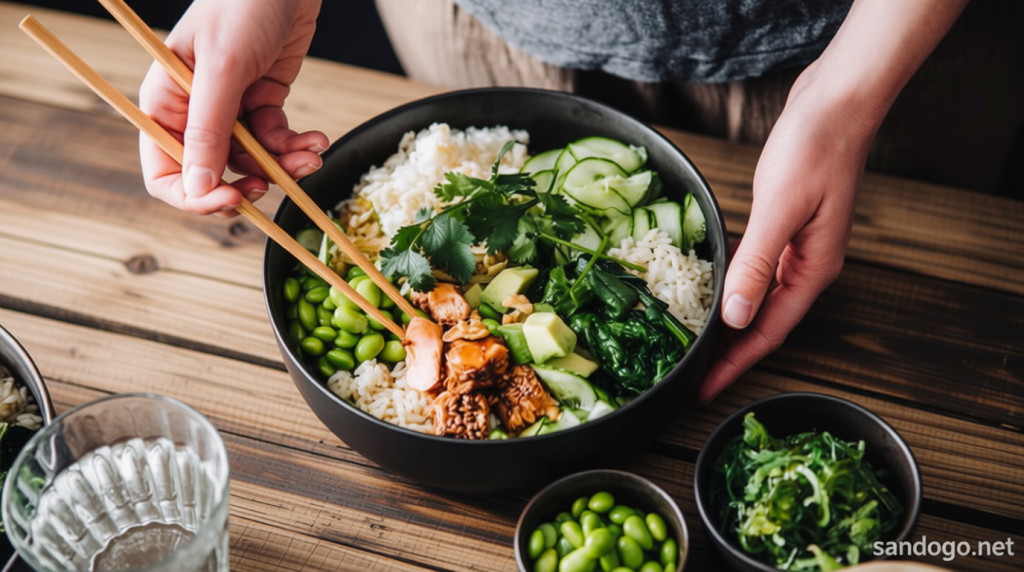
During a visit to a South Korean school, Kara Swisher was struck by the diverse and nutritious meals on students’ trays. The lunch menu featured lettuce wraps, radish-chive salad, kimchi, and seasonal fruits—options that contrasted sharply with what her own young children typically chose. This observation led her to explore the role of school nutritionists in shaping healthy eating habits from an early age.
Yeonju Kim, a school nutritionist, emphasized how the free lunch program is designed to both nourish and educate. By integrating culturally relevant, nutrient-rich foods into daily routines, the system fosters long-term dietary awareness. In the U.S., however, many families rely on short-order cooks to cater to picky eaters, often at the expense of balanced meals. This practice, according to Kim, creates a gap in early nutrition education.
Challenges in Dietary Habits
A 2023 report from the Centers for Disease Control and Prevention revealed alarming trends in American children’s diets. Nearly half of those aged 1 to 5 fail to consume vegetables daily, while a third skip fruits altogether. These patterns persist into adulthood, as a 2025 study found that almost half of U.S. adults follow poor-quality diets. Such diets, evaluated against the American Heart Association’s standards, are often high in processed foods and low in whole grains, fruits, and healthy proteins.
Dr. Geon-Ha Kim, a neuroscientist at Ewha Womans University Medical Center, noted that dietary choices significantly influence longevity. Diets like the MIND (Mediterranean-DASH Intervention for Neurodegenerative Delay) and Mediterranean patterns, rich in plant-based foods and healthy fats, are linked to extended life and reduced cognitive decline risks. These insights underscore the importance of adopting similar practices to improve public health outcomes.
Activity and Social Connection
South Korea’s “SuperAgers”—older adults maintaining youthful cognitive abilities—attribute their vitality to lifestyle factors such as regular exercise, social engagement, and mental stimulation. Dr. Geon-Ha Kim highlighted that physical activity, combined with meaningful interactions, plays a pivotal role in aging well. This aligns with broader research showing that consistent exercise can lower early death risks by up to 40%, while loneliness and isolation increase them by 32%, as per a 2023 study.
One example of this active lifestyle is Park Mak-rye, a 79-year-old social media personality dubbed “Korea Grandma.” She shares her routines, including healthy cooking, skincare regimens, and fitness practices, online. Park credits her community of friends for her well-being, stating, “I’m with friends laughing all day. There’s no room for sickness.” Her approach exemplifies how integrating physical and social habits can enhance quality of life.
Healthcare System Differences
A key distinction between the U.S. and South Korea lies in their healthcare priorities. Hieun Shin, a journalist for Agence France-Presse covering Korean life, explained that South Korea emphasizes preventive care, while the U.S. focuses more on treatment. “No one wants to pay for prevention,” remarked Dr. Karen Studer, chair of the preventive medicine department at Loma Linda University School of Medicine. This mindset reflects a financial structure where physicians are reimbursed heavily for procedures like heart bypass surgeries but receive minimal compensation for addressing lifestyle risks.
In South Korea, healthcare professionals are often consulted for routine issues, from minor illnesses to chronic pain. This proactive approach ensures early intervention, which may contribute to the nation’s superior health metrics. By contrast, the U.S. system frequently delays care, allowing conditions to worsen before treatment begins. The result is a higher prevalence of preventable diseases and shorter life expectancy for many citizens.
Lessons for the U.S.
Experts suggest that adopting South Korea’s strategies could bridge the longevity gap. For instance, the nation’s focus on preventive measures, such as regular health checkups and early dietary interventions, offers a blueprint for healthier living. Similarly, integrating cultural practices like communal meals and active social engagement into daily routines might combat sedentary lifestyles and isolation in the U.S.
Moreover, the emphasis on education through school nutrition programs highlights the importance of shaping habits from childhood. By prioritizing preventive care and fostering a culture of health, the U.S. could reverse trends that have led to declining life expectancy. While the challenges are significant, the data suggests that small, consistent changes can yield substantial long-term benefits.
Conclusion
South Korea’s success in extending lifespans serves as a compelling case study for the U.S. to emulate. From school lunch programs to healthcare reforms, the country’s holistic approach to wellness offers actionable lessons. As research continues to link healthy habits to longevity, the U.S. has the opportunity to adapt these strategies and improve its own health outcomes. The path to a longer, more vibrant life may lie in learning from the practices of a nation that has mastered the art of living well.
