
Timmy, the stranded humpback whale, found dead off Danish coast
Timmy, the Stranded Humpback Whale, Found Dead Off Danish Coast
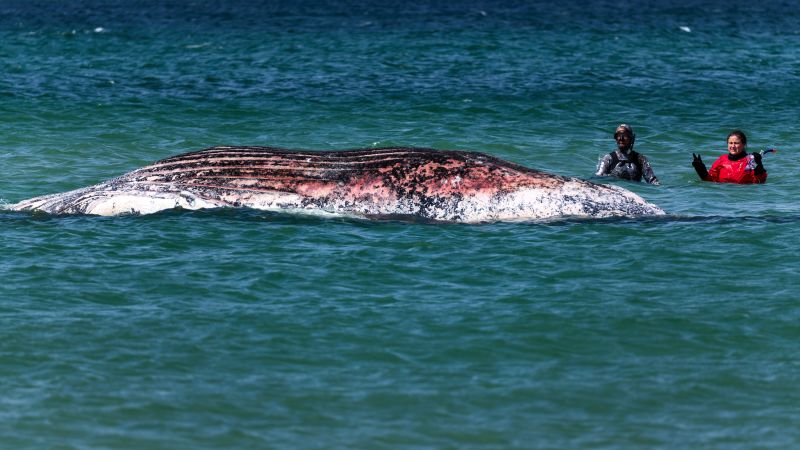
Timmy the stranded humpback whale found – Just weeks after a high-profile rescue operation gave a young humpback whale a second chance at life, the creature has been discovered lifeless near Denmark’s coast. The Danish Environmental Protection Agency confirmed the death of Timmy, a whale previously stranded in Germany, during a recent survey near the island of Anholt. This location lies in the Kattegat Strait, a body of water separating Denmark and Sweden, approximately 130 kilometers from where the whale was freed from its earlier predicament. The agency’s findings suggest that the animal’s fate was sealed despite efforts to save it, sparking renewed debate about the ethics of intervention in marine conservation.
A Whale’s Stranded Journey
Timmy’s story began in early March when he was first spotted in Wismar harbor, Germany. He had become entangled in a fishing net, prompting emergency crews to initiate a rescue. After several days of work, the team successfully freed him, allowing the whale to return to open waters. However, his troubles were far from over. By the end of March, Timmy was found stranded again near Timmendorfer Strand, a coastal town on Germany’s northern shore. The incident earned him the name “Timmy” and drew global attention as experts and volunteers worked tirelessly to aid his recovery.
During his second stranding, the whale exhibited signs of severe distress. He moved sluggishly, struggled to breathe regularly, and suffered from a persistent skin condition attributed to the low salt levels of the Baltic Sea. These symptoms raised concerns about his overall health, with some scientists warning that his chances of survival were slim. Despite this, a private rescue group stepped in, proposing a bold plan to guide Timmy into a barge and transport him out to sea. This decision ignited controversy, as critics argued it risked further injuring the already weakened creature.
The Controversial Rescue Effort
The private initiative, which involved attaching a tracking device to Timmy, aimed to give the whale a fighting chance. However, the device malfunctioned, leading to uncertainty about his whereabouts. It wasn’t until a Danish worker retrieved the faulty tracker that the agency could definitively link the whale to the earlier stranding in Germany. “The position and appearance of the device confirm that this is the same whale that had previously been observed and handled in German waters,” Jane Hansen, head of division at the Danish Environmental Protection Agency, explained to CNN on Saturday. This discovery added a layer of complexity to the whale’s fate, as it became clear that his journey was far from over.
“I believe the whale will die very soon now,” Thilo Maack, a marine biologist for Greenpeace, told the Associated Press in April. “And I would also like to raise the question: What is actually so bad about that? … Yes, animals live, animals die. This animal is really, really very, very, very sick. And it has decided to seek rest.”
Maack’s comments highlighted the divide in opinions surrounding Timmy’s rescue. While some viewed the action as a necessary gamble to save a life, others condemned it as an act of unnecessary cruelty. The whale’s prolonged immobility and declining health made the decision to move him even more contentious. Scientists had warned that the stress of relocation could exacerbate his condition, yet the private team pressed forward with the plan. The operation was livestreamed globally, drawing both admiration and criticism as the world watched the creature’s final moments.
Meanwhile, the province’s environment minister, Till Backhaus, defended the rescue attempt, calling it a “normal response to use even the smallest chance when a life is at stake.” His stance underscored the urgency felt by some officials to act in the face of perceived danger. However, the controversy deepened as the whale’s condition worsened, leading to questions about whether the rescue efforts were justified or if they had hastened his demise.
Legacy of a Stranded Whale
Timmy’s death has not only marked the end of his brief return to the ocean but has also reignited discussions about the role of human intervention in wildlife conservation. The whale’s journey from entanglement in a fishing net to a dramatic rescue attempt and eventual demise serves as a case study in the challenges of saving large marine animals. His story underscores the delicate balance between taking action to save a life and potentially causing further harm.
Experts have noted that the Baltic Sea’s unique environmental conditions likely played a role in Timmy’s weakened state. The low salinity of the water, combined with the physical strain of being stranded, contributed to his deteriorating health. This context adds nuance to the debate, as it becomes clear that the whale’s struggles were not solely the result of human actions but also of natural factors beyond control.
Despite the controversy, the Danish Environmental Protection Agency has decided not to remove Timmy’s carcass from the area. “It is not currently considered to pose a problem in the region,” the agency stated. This choice reflects a pragmatic approach to conservation, prioritizing the preservation of the whale’s remains as a symbol of his ordeal. Authorities have also urged the public to maintain a safe distance from the body, citing concerns about its potential to cause harm if approached. The whale’s death has become a focal point for both mourning and reflection, with scientists and conservationists using the event to evaluate future rescue strategies.
Timmy’s fate has prompted a broader conversation about the limits of human intervention in the natural world. While some see his rescue as a triumph of ingenuity and compassion, others argue that it was a last-ditch effort that overlooked the whale’s diminished condition. The incident highlights the complexities of marine rescue, where the line between saving a life and overextending resources can blur. As the Danish Environmental Protection Agency continues to monitor the situation, the legacy of Timmy’s story remains a poignant reminder of the challenges faced by those who strive to protect vulnerable species in our oceans.
Timmy’s death also raises questions about the long-term impact of such rescue operations. While his brief time in the open sea was a victory, the cost of his struggle—both in terms of energy and resources—has been significant. The whale’s journey from Germany to Denmark, and the debates that followed, have become a microcosm of the larger ethical dilemmas in wildlife conservation. As the world reflects on Timmy’s story, the focus shifts to how future efforts can better balance human intervention with the natural rhythms of marine life.
In the end, Timmy’s remains stand as a testament to the resilience and fragility of these majestic creatures. The Danish Environmental Protection Agency’s decision to leave the carcass in place allows for continued observation, providing researchers with valuable data about the whale’s final days. Meanwhile, the public’s emotional response to Timmy’s story illustrates the deep connection people feel with marine animals, even in the face of uncertainty about the best course of action. As the ocean absorbs his body, it carries with it the echoes of a global effort to save a life—and the enduring questions it has left behind.
