What You Need to Breathe: Essential Guidance for Smoke Season
Sandego.net – What you need to breathe easier during wildfire season has become a critical concern for millions of people. As smoke from hundreds of active fires blankets communities across the United States and Canada, understanding what you need to breathe clean air becomes increasingly important. Residents in northern Minnesota and throughout Canada are experiencing some of the worst air quality conditions in recent memory. This weekend, experts emphasize that knowing what you need to breathe properly can make the difference between mild discomfort and serious health complications.
Understanding the Smoke Threat
The smoke creating these challenging conditions contains a dangerous mixture of gases and microscopic particles. What you need to breathe clean air requires understanding PM2.5, the primary culprit behind smoke-related health issues. These particles measure smaller than the width of a human hair, allowing them to travel deep into lungs and potentially enter the bloodstream. Dr. Rebecca Bascom, a pulmonologist at Penn State Health, explains that prolonged exposure to these particles can trigger respiratory problems, cardiovascular issues, and other serious conditions. When considering what you need to breathe effectively, recognizing that PM2.5 particles remain suspended in air for extended periods is crucial.
“Monitoring air quality in real-time should be part of everyone’s daily routine during wildfire season,” says Dr. Bascom. “The information available through resources like AirNow.gov helps people make informed decisions about what they need to breathe and when.”
Protective Measures and Equipment
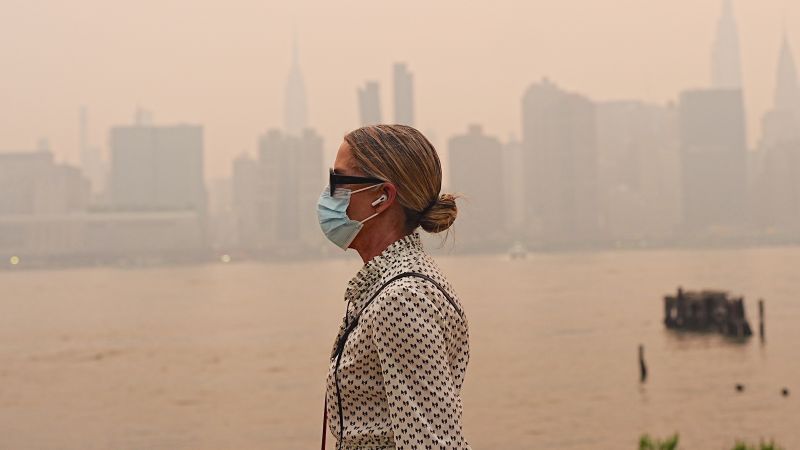
What you need to breathe comfortably extends beyond simply staying indoors. N95 and N99 respirator masks represent the gold standard for filtration, capable of capturing up to 95-99 percent of airborne particles. However, what you need to breathe properly also includes understanding proper mask fit. A mask that doesn’t seal correctly around the face allows smoke particles to bypass the filtration system entirely. Additionally, keeping windows closed and using air purifiers with HEPA filters creates a protective indoor environment. These measures form the foundation of what you need to breathe safely when outdoor air quality deteriorates significantly.
For those who must venture outside, timing matters considerably. Early morning and late evening hours often provide slightly better air quality conditions. What you need to breathe during these periods includes limiting physical exertion, which reduces the volume of air inhaled. Children, elderly individuals, and people with pre-existing respiratory conditions should exercise particular caution. What you need to breathe well during peak smoke periods may require temporary relocation for vulnerable populations.
Monitoring and Response Strategies
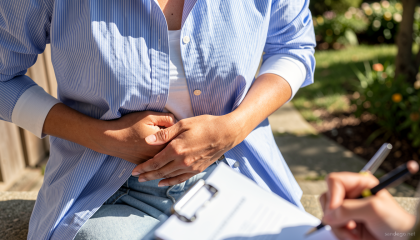
Staying informed represents another essential component of what you need to breathe effectively. AirNow.gov provides real-time air quality data for communities nationwide, helping residents track conditions as they change throughout the day. What you need to breathe also includes recognizing warning signs such as coughing, wheezing, chest tightness, and difficulty breathing. When symptoms persist or worsen, seeking medical attention becomes necessary. Emergency rooms have reported increased visits during severe smoke events, particularly from individuals experiencing asthma attacks and other respiratory emergencies.
Long-term exposure requires additional vigilance. What you need to breathe consistently includes maintaining indoor air quality through regular filter changes and avoiding activities that generate additional pollutants indoors. Cooking, cleaning with chemical products, and smoking can compound the effects of outdoor smoke. What you need to breathe optimally involves creating a comprehensive strategy that addresses both indoor and outdoor air quality challenges simultaneously.
“The key is being proactive rather than reactive,” Dr. Bascom advises. “Understanding what you need to breathe and preparing accordingly can prevent many smoke-related health issues before they develop.”