
Cuba’s energy crisis to worsen as donated Russian oil runs out, minister warns
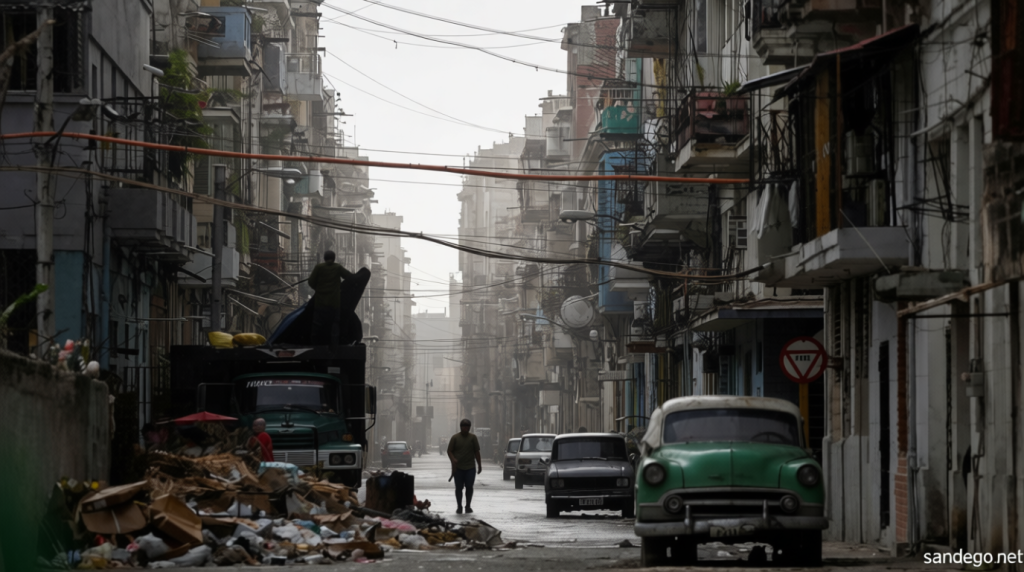
Cuba’s Energy Crisis Intensifies as Russian Oil Supplies Deplete
Cuba s energy crisis to worsen, according to its energy minister, who warned that the nation’s dependence on donated Russian oil is set to diminish. Vicente de la O Levy, the official responsible for energy policy, issued a dire assessment on Wednesday, emphasizing the growing severity of the problem. The country’s dwindling oil reserves, crucial for powering its electrical grid, have left it vulnerable as the final Russian shipment was consumed in early May. De la O Levy described the current energy landscape as “very tense,” noting that the impending summer heat is further stressing the nation’s already strained infrastructure.
Protests and Daily Life Disrupted
In recent days, Cubans have increasingly taken to the streets, often in the evenings, to voice their discontent with the ongoing energy shortages. Demonstrations involve groups using household items to create noise, drawing attention to frequent and extended power outages. These disruptions are now part of everyday life, with citizens reporting challenges in keeping essential devices operational. Many are forced to rely on candles or battery-powered lighting during the brief periods when electricity is available, typically in the early morning.
De la O Levy highlighted that the island’s energy infrastructure is in a precarious state, stating, “We have absolutely no diesel,” as the final Russian oil reserves are depleted. This shortage has intensified the public’s frustration, leading to protests that reflect the deepening impact of the crisis on both daily routines and economic activities. The minister stressed that the situation demands urgent intervention to prevent further deterioration.
US Oil Blockade Compounds Challenges
The US oil blockade has played a significant role in exacerbating Cuba’s energy crisis. Since January, the nation has been cut off from oil imports, a measure taken by the Trump administration to pressure the Cuban government. This policy has left Cuba without a steady supply of fuel, forcing it to depend on donations from Russia and other sources. With the last Russian oil used up, the country now faces the dual challenge of rising summer temperatures and a prolonged absence of imports.
Renewable Energy Solutions Fall Short
Despite efforts to integrate renewable energy, Cuba’s transition has not been sufficient to counter the crisis. De la O Levy acknowledged that solar power, introduced through Chinese donations of panels, is being utilized more frequently. However, the minister pointed out that weather conditions often limit its effectiveness. “Cloud cover and variable weather mean that solar energy production fluctuates greatly,” he explained, adding that the lack of storage options like batteries has hindered the reliability of these alternatives during peak demand times.
Cuban authorities have stated that the country is working to develop long-term strategies, but the immediate need for fuel remains critical. The minister warned that without a stable energy supply, the situation could worsen significantly. The current energy shortages have also affected public transportation and electric vehicles, which depend heavily on a consistent power source.
Global Aid Offers and Domestic Response
Recent developments include a $100 million aid package from the US, aimed at supporting Cuba’s energy and economic reforms. While the offer is seen as a potential lifeline, Cuban officials have remained cautious. Foreign Minister Bruno Rodríguez expressed skepticism, stating that it is unclear whether the aid will directly address the country’s energy needs. “It is still not clear whether this would be a material or in (cash) assistance, or if it would be destined to meet the most pressing needs facing the people at this moment,” he remarked, underscoring the government’s insistence on targeted support.
Cuban President Miguel Díaz-Canel echoed this stance, asserting that the nation is prepared to manage the crisis independently. “No obstacles or ingratitude from Cuba,” he said, while acknowledging that the government is exploring all options to stabilize the energy sector. The president’s comments aim to reassure the public but also signal Cuba’s reluctance to accept aid without clear guarantees of impact.
