
Israel is worried that Trump will strike a ‘bad deal’ with Iran, leaving war objectives unmet
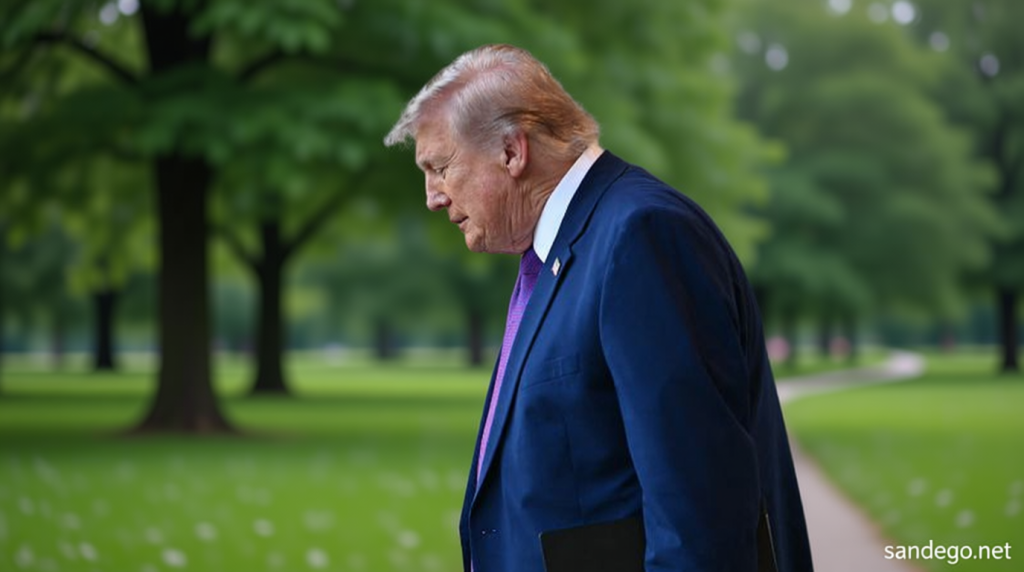
Israel Fears Trump’s Iran Deal Might Fall Short
Israel is worried that Trump will strike a deal with Iran that could weaken the country’s strategic aims, according to Israeli intelligence officials who have spoken with CNN. The concern centers on whether a potential agreement would sufficiently address Iran’s nuclear ambitions and its continued use of ballistic missiles and militant proxies to target Israel and its allies in the region. With the war’s objectives still under scrutiny, the administration’s diplomatic approach has sparked debates about its long-term impact on national security.
Key Concerns Over Iran’s Nuclear Program
Israeli analysts highlight that any agreement allowing Iran to retain part of its nuclear infrastructure risks leaving critical threats unresolved. They argue that while the focus may be on curbing uranium enrichment, Iran’s missile capabilities and support for regional militant groups remain a priority. “Trump’s deal could allow Iran to maintain a nuclear arsenal capable of threatening Israel’s existence,” said one intelligence official. This fear underscores the need for a comprehensive resolution that doesn’t compromise Israel’s security.
The ongoing conflict has seen Iran launch over 1,000 missiles at Israeli and Gulf Arab targets, escalating tensions. Israeli officials warn that if the deal excludes these capabilities, it might enable Iran to continue its aggressive posture. “The nuclear issue is central, but without addressing the missiles and proxies, the agreement could be incomplete,” another source added. This sentiment reflects a broader worry that Trump’s approach may prioritize diplomacy over military deterrence.
White House Stands by Diplomatic Strategy
The Trump administration maintains that its current approach offers a viable path to peace. A White House spokesperson emphasized that Iran’s position has weakened, with its missile programs and enrichment facilities under pressure. “Trump is pushing for a deal that ensures Iran’s nuclear threat is contained, even if it means some concessions,” the statement noted. The administration also cites economic sanctions as a key leverage point, arguing that Iran’s leaders are more inclined to negotiate under financial strain.
However, Israeli sources caution that the negotiations have been overly focused on uranium enrichment. While this issue is significant, they stress that it alone does not neutralize Iran’s broader military threat. “Trump’s focus on the nuclear program has narrowed the talks, potentially sidelining other critical aspects,” one official explained. This shift has raised questions about whether the deal would fully align with Israel’s strategic priorities.
Netanyahu’s Evolving Position
Prime Minister Benjamin Netanyahu has adjusted his public stance to reflect the changing dynamics of the negotiations. Initially, he outlined five conditions for a satisfactory resolution, including dismantling Iran’s nuclear infrastructure. Yet, in recent Security Cabinet meetings, he has narrowed his focus to a single, central goal: eliminating Iran’s capacity to produce nuclear weapons. “This is the most important objective,” Netanyahu stated, signaling a move toward prioritizing nuclear threats over broader regional concerns.
Netanyahu’s strategy has been interpreted as a balancing act. By emphasizing the nuclear issue, he aims to prevent Trump from settling for a deal that leaves Iran’s missile and proxy networks intact. However, this shift has also sparked internal debates about whether Israel is compromising its long-term security goals. “Netanyahu is ensuring Trump doesn’t overlook the nuclear front, but he’s also avoiding confrontation over other issues,” another official noted. This nuanced approach reflects the challenges of aligning U.S. and Israeli interests in the deal.
Strategic Gaps and the Risk of Renewed Conflict
Despite the Trump administration’s efforts, significant differences persist between the U.S. and Iran. The primary disputes involve the Strait of Hormuz and the future of Iran’s nuclear program. The U.S. seeks to guarantee the strait remains open for oil shipments, while Iran insists on retaining its right to enrich uranium. These disagreements have kept the war from reaching a definitive end, with Israel preparing for the possibility of renewed hostilities.
Israeli officials believe that Trump’s decision to pursue a deal could lead to a temporary truce, but they caution against underestimating Iran’s resilience. “Even if a deal is reached, Iran may still pose a threat through its proxies and missile arsenal,” one analyst said. The potential for a partial agreement has also raised concerns about how it might affect future military operations. “Trump’s deal could create a false sense of security,” warned a senior intelligence official. As negotiations continue, Israel remains vigilant about ensuring its war objectives are not undermined.
