
South Carolina lawmakers reject for now Trump’s push to eliminate James Clyburn’s seat
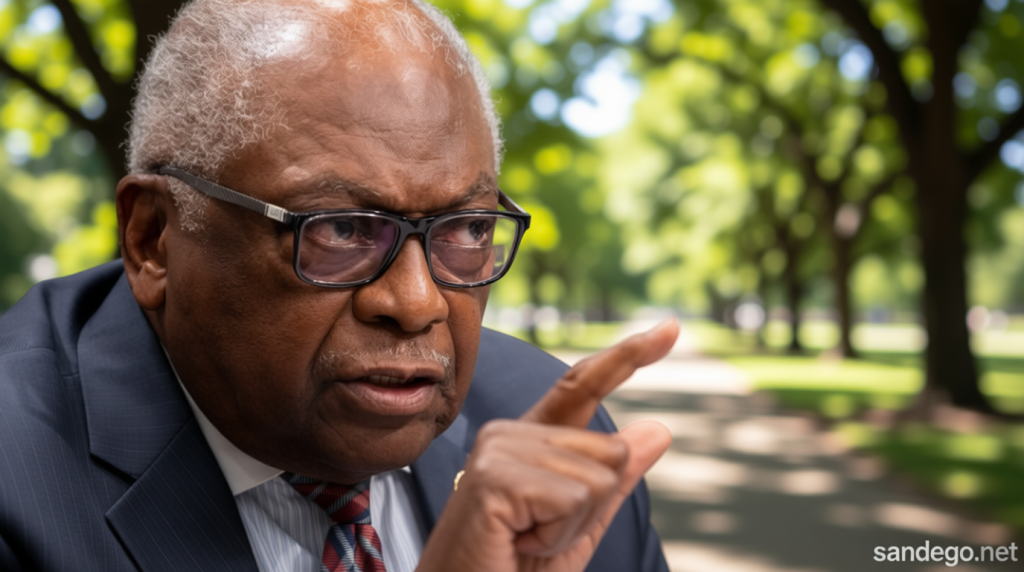
South Carolina Lawmakers Reject Trump’s Plan to Eliminate James Clyburn’s Seat
South Carolina lawmakers reject for now Trump – South Carolina lawmakers have temporarily blocked President Donald Trump’s initiative to remove the single Democratic-held congressional seat in the state, currently represented by Rep. James Clyburn. On Tuesday, Republicans attempted to push a contentious redistricting proposal, which sought to redraw boundaries to make the district more favorable for their party. The plan faced immediate resistance when the state Senate narrowly rejected it, signaling a moment of unity among some lawmakers against the effort. This decision preserves Clyburn’s position for now, but the debate over gerrymandering and its electoral impact remains unresolved.
Trump’s Influence on the Redistricting Debate
President Trump has long championed redistricting efforts to reshape electoral maps in favor of his party. In a recent social media post, he encouraged South Carolina lawmakers to “be bold and courageous” in their approach, suggesting a delay of House primaries to finalize the new map. His call to action aligned with some GOP senators who believed the change could strengthen Republican prospects in the House. However, the Senate’s 29-17 vote against the plan revealed internal GOP divisions, with five lawmakers crossing party lines to oppose the measure.
The Significance of Clyburn’s Seat
Rep. James Clyburn, a longstanding Democratic representative, has been a pivotal figure in South Carolina’s political landscape. His district, located in the upstate region, has historically been a Democratic stronghold despite the state’s Republican dominance in most areas. The proposed redistricting plan aimed to consolidate Democratic voters into fewer districts, potentially making Clyburn’s seat more vulnerable. Yet, the Senate’s rejection highlights the growing concern over how such changes might affect broader electoral outcomes.
The state House had previously passed a resolution to support the redistricting effort, which would have allowed the Senate to revisit the issue after the regular session concludes. This resolution was intended to secure the Senate’s endorsement, as the House alone could not finalize the new map. The Senate’s decision to reject the plan, however, suggests that lawmakers are weighing the potential risks of altering district boundaries, even as they consider the benefits of a more favorable map.
“This decision is about what’s best for South Carolina,” said Senate Majority Leader Shane Massey. “While we want to strengthen our position, we must also protect the interests of all voters.” Massey’s remarks reflect the broader tension within the GOP between strategic gains and the perception of voter suppression. The rejection of the proposal underscores that, despite Trump’s influence, some lawmakers are hesitant to fully commit to a plan that could shift the state’s political balance in unexpected ways.
South Carolina’s redistricting process has become a central battleground in the national race for control of the House. With a Republican supermajority in the Senate, the state is seen as a key player in shaping electoral maps that could sway the national outcome. The temporary setback for Trump’s plan, however, shows that even in a party-controlled legislature, consensus on redistricting can be challenging. This moment may influence future strategies, as both parties continue to refine their approaches to district lines.
The outcome of this debate could have lasting implications for South Carolina’s political future. While the Senate’s rejection allows Clyburn to remain in office, it also opens the door for further negotiations. The state’s lawmakers are now tasked with balancing party goals against the needs of their constituents, a challenge that will likely shape the next phase of the redistricting process. As the House reconvenes, the focus will remain on whether the plan can be revised to gain broader support or if it will face renewed opposition in the coming weeks.
