
Tenerife port home to scenes of worry and relief as passengers depart hantavirus-hit ship
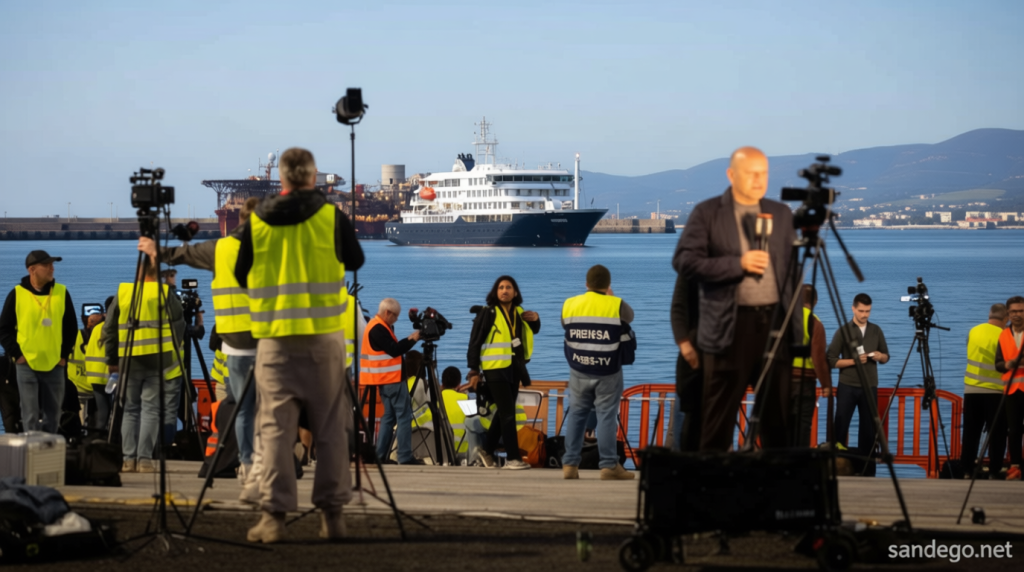
Tenerife Port Witnesses Worry and Relief as Hantavirus Patients Board Shore
Tenerife port home to scenes of worry – The MV Hondius, a cruise ship adrift for over five weeks, finally reached Tenerife’s port this morning, marking a pivotal moment for passengers who had endured a hantavirus outbreak. As the vessel anchored near Granadilla, the scene at the port was a blend of emotional resilience and relief. The process of ferrying passengers to the mainland began at 8 a.m., with small boats carrying groups of five individuals each trip. Amid the routine, the atmosphere carried the weight of a global health crisis, as those disembarking navigated the uncertainty of their journey. Journalists stationed nearby captured the moment, highlighting the tension and hope that defined the passengers’ return to land.
The Transition to Solid Ground
Tenerife’s port had become a critical hub for the ship’s 23-nation passengers, who had been isolated for weeks. Now, with the final leg of their voyage complete, they stepped onto the shore, guided by Spanish health officials. The port had agreed to accommodate the group, ensuring a secure transition to the mainland. The operation, designed to be both thorough and transparent, allowed media to document the steps taken to control the hantavirus spread. The sight of passengers disembarking alongside hazmat-clad personnel evoked memories of pandemic protocols, though the virus at hand differed in its transmission dynamics.
At the center of the operation was a temporary processing tent, where passengers were evaluated for health conditions. This structure, with its clinical setup, symbolized the ongoing efforts to manage the outbreak. While the Andes strain of hantavirus posed a unique challenge, its transmission through direct contact was simpler than that of the coronavirus, which had necessitated widespread lockdowns and mask mandates. The clarity of the virus’s spread helped ease some of the lingering concerns, offering a sense of order amid the chaos.
WHO Director’s Statement on the Crisis
On Saturday, Dr. Tedros Adhanom Ghebreyesus, WHO director general, addressed the people of Tenerife, acknowledging their collective fear. “The fear that is natural for all of us, six years after the pandemic began, is understandable,” he stated. “However, this situation is distinct. We are adapting our strategies to manage the Andes strain effectively.” His remarks resonated with those at the port, where the atmosphere had shifted from apprehension to cautious optimism. The WHO’s involvement highlighted the international attention on the outbreak, yet the focus remained on local efforts to safeguard passengers as they prepared for the next phase: quarantine for at least six weeks.
“The fear that is natural for all of us, six years after the pandemic began, is understandable. However, this situation is distinct. We are adapting our strategies to manage the Andes strain effectively.”
Understanding the Hantavirus Threat
An epidemiologist from the WHO, present at the port on Sunday, explained the virus’s behavior. According to their analysis, the Andes strain spreads primarily through close contact between symptomatic individuals. This mode of transmission, they noted, required targeted measures rather than the broad restrictions seen during the coronavirus crisis. “The virus is not airborne in the same way as COVID-19,” the expert clarified. “It’s more of a close-range threat, which means our protocols are precise and efficient.” The information provided reassurance to passengers and residents, as they adjusted to the new normal of hantavirus management.
Tenerife’s port, a small yet vital hub on the island’s southern tip, became a focal point for global media. The presence of journalists from American and European networks underscored the scale of the story, with conversations in multiple languages filling the air. Among the passengers were individuals from 23 different countries, each with their own experiences of the cruise that had promised a dream itinerary—visiting penguin colonies in the Antarctic and the islands of the Canary archipelago. Now, their journey had taken an unexpected turn, with the port serving as both a gateway and a symbol of resilience in the face of the hantavirus outbreak.
