
He earned a Purple Heart fighting for the US. Swept up in Trump’s immigration crackdown, he now fights to come home
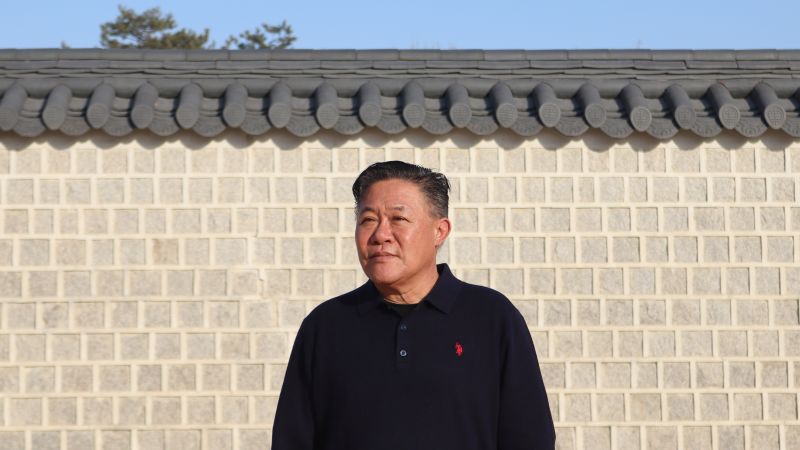
He Earned a Purple Heart: A Veteran’s Struggle in Trump’s Immigration Crackdown
He earned a Purple Heart fighting – He earned a Purple Heart while fighting for the United States, yet now finds himself stranded in a foreign land, far from the home he once called his own. Sae Joon Park, a 56-year-old Army veteran, self-deported from the U.S. last summer, only to be thrust into a new battle—one against the Trump administration’s aggressive immigration policies. Despite his service and sacrifices, Park’s status as a noncitizen has made him a target of the nation’s toughest deportation measures, leaving him to navigate a complex legal maze while seeking a path back to the country he defended.
A Purple Heart for Service
Park’s journey to the Purple Heart began in 1989 when he joined the military as a young man, driven by a need for direction and the influence of his uncle, a South Korean Marine colonel. Stationed at Fort Clayton in Panama, he was quickly immersed in the chaos of “Operation Just Cause,” a mission aimed at toppling Manuel Noriega’s regime. During the operation, Park’s platoon raided a house linked to Noriega’s alleged occult practices, uncovering crates of cocaine and jars of human body parts. A fierce firefight erupted, and Park was shot twice—once in the spine and once in the lower back—before being evacuated to a San Antonio Army hospital.
There, he received the Purple Heart, a symbol of combat valor, during a bedside ceremony. The award marked a significant moment in his life, but it also underscored the contrast between his military contributions and his later struggles with addiction. Park’s service earned him respect and recognition, yet his criminal convictions led to his removal from the country he once swore to protect.
The Deportation Dilemma
Under Trump’s immigration policies, Park became one of many veterans caught in the crosshairs of a sweeping crackdown. Immigration officials had unexpectedly threatened to arrest him during a routine check-in, citing a prior criminal record. His self-deportation in 2026 sparked national conversations about the fairness of expelling individuals who have served their country. Lawmakers later questioned Homeland Security Secretary Kristi Noem about such cases, highlighting the tension between strict enforcement and the rights of veterans.
Park’s legal team is exploring multiple avenues to reverse his deportation, including a gubernatorial pardon for the drug-related charges that led to his removal. However, the process is slow, and success remains uncertain. The Department of Homeland Security has consistently cited his criminal history as justification for his case, despite his Purple Heart and years of service. This has ignited a debate over whether veterans should be treated as exceptions in immigration enforcement.
Before his military service, Park’s life was shaped by early adversity. At age 7, he left South Korea after his parents’ divorce, traveling alone to join his mother in Miami. There, he faced bullying as the sole Asian student in his school, leading to frequent fights. After moving to Los Angeles, he found support among extended family in Koreatown and the San Fernando Valley, where his mother worked tirelessly to provide stability. These early experiences laid the foundation for his decision to enlist, driven by a desire for purpose and structure.
“I got there just in time for the training and to go into war,” Park reflected in an interview with CNN. “It changed everything.” The operation in Panama, which he participated in, was the turning point in his life—both in terms of his military career and his personal trauma. The combination of combat stress and physical injury left him with lasting consequences, including post-traumatic stress disorder, which he battled in civilian life.
Park’s struggles with PTSD were compounded by substance abuse, a common challenge for veterans. He turned to marijuana and harder drugs to cope, a pattern that aligns with studies showing a strong link between PTSD and addiction. While his service earned him the Purple Heart, his later actions have become the focal point of a broader discussion about the balance between accountability and compassion in immigration policy. For Park, the fight to return home is not just a legal battle, but a testament to his loyalty and resilience.
