Americans Don’t Like the Look of Things Amid Inflation and Job Woes
Sandego.net – Americans don’t like the look of things as economic concerns intensify, according to a recent survey by the Federal Reserve Bank of New York. The report, released this week, reveals that a growing number of consumers are expressing heightened anxiety about their financial stability and employment security. May’s data shows that more people than ever before are reporting their financial situation as “somewhat worse off” or “much worse off” compared to a year prior, reflecting a deepening sense of economic unease.
Inflation Concerns Outpace Policy Optimism
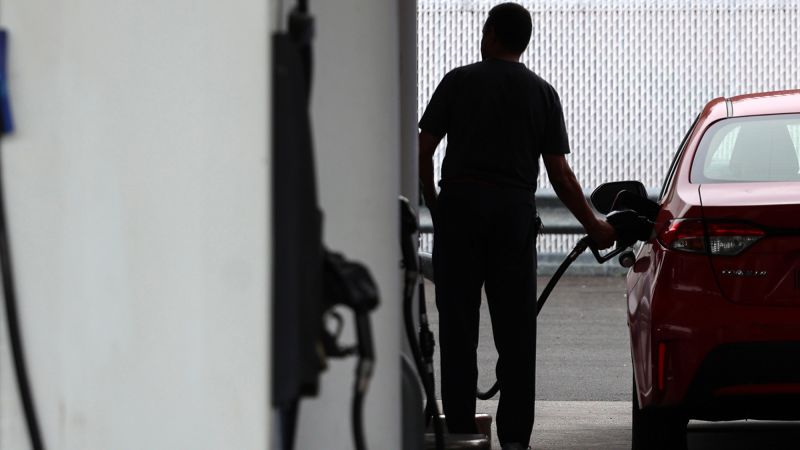
The survey highlights a persistent fear of rising costs, even as inflation forecasts have slightly improved. While the Fed’s projected annual inflation rate dropped to 3.5% in May—down from a peak of 3.6% in April—this figure remains a cause for alarm. The Consumer Price Index has climbed to 3.8% over the past year, eroding wages and pushing living expenses higher. This has led to a situation where Americans don’t like the look of things, despite efforts to stabilize the economy through monetary policy.
Job Market Anxiety Persists Despite Growth
Although the labor market has seen modest gains, with 172,000 new jobs added in May, consumer confidence in employment remains low. The mean probability of losing a job within the next year hit 15.1%, the highest level in six months. Meanwhile, the chance of finding a new role within three months of unemployment fell to 43.7%, a five-month low. These figures suggest that Americans don’t like the look of things, even as technical indicators show some improvement.
Economists like Elizabeth Renter of NerdWallet note that this trend reflects a psychological shift in how people assess their economic future. “Americans don’t like the look of things,” Renter remarked, pointing to a broader lack of trust in the job market’s ability to sustain growth. This sentiment is compounded by global factors, such as the U.S.-Israel conflict against Iran, which has driven up fuel and food prices, further straining household budgets.
Voluntary Job Resignations Rise as Workers Seek New Opportunities
The survey also found a surge in voluntary job departures, with the mean probability of quitting a job reaching a three-year high. This trend signals that some workers, despite inflationary pressures, are taking calculated risks to improve their prospects. Renter explained that when hiring slows and job offers are scarce, employees often feel trapped, but the recent increase in resignations suggests a willingness to move toward more competitive roles.
This shift could signal a potential transformation in labor dynamics. If hiring activity continues to rise, it may lead to a more robust job market, with employers responding to worker demands. However, the data shows that Americans don’t like the look of things, indicating that even with some positive signs, the overall perception of economic stability remains fragile.
Policy and Global Events Shape Consumer Sentiment
The New York Fed’s findings align with broader economic narratives shaped by both domestic and international factors. President Trump’s “America First” policies have contributed to a focus on domestic economic challenges, while global events like the Middle East conflict have intensified inflationary pressures. These combined influences have created a climate where Americans don’t like the look of things, with concerns about affordability and job security dominating public discourse.
Consumers are now more cautious in their spending and savings decisions, even as wage growth lags behind rising prices. The survey underscores that economic confidence is at a historic low, with many Americans wary of the future. This pervasive anxiety suggests that while policy measures may provide temporary relief, the underlying issues of inflation and employment uncertainty are unlikely to fade soon.