Global Energy Crisis Shifts from Supply to Refining Bottlenecks
The world no longer has an oil – While the world initially worried about crude oil availability following the outbreak of conflict with Iran, economists now identify a different challenge entirely. The real issue isn’t whether oil exists—it’s whether the planet can process it into usable fuels. Despite the United States and Iran restarting their blockade of the Strait of Hormuz, which pushed crude prices past eighty dollars per barrel, the fundamental concern has evolved. The global economy now faces a gasoline deficit rather than an oil shortage.
The Refining Capacity Crunch
Over recent weeks, hundreds of millions of barrels of crude exited the Persian Gulf and entered global markets. This influx provided welcome relief to overall oil supplies. However, raw crude holds limited value without proper processing. The material must undergo refinement before becoming products like asphalt, plastics, heating oil, jet fuel, diesel, and the critical gasoline that powers transportation worldwide.
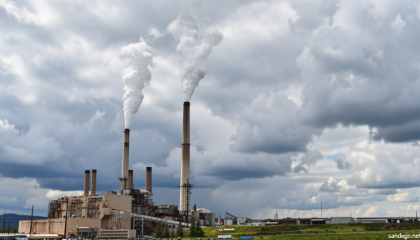
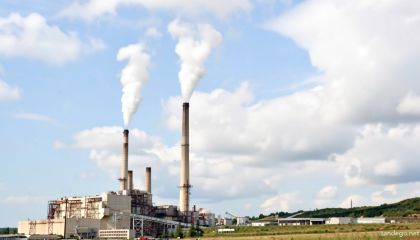
Currently, worldwide refining capacity faces severe constraints. Multiple factors contribute to this bottleneck. The ongoing war disrupted established supply chains. Iran targeted dozens of refineries across the Middle East. Ukraine recently began destroying Russian energy infrastructure. Extreme weather patterns further complicate matters by disrupting the cool temperatures refineries require for effective distillation.
“The question is no longer whether crude barrels will return, but how quickly the global refining system can process them,” noted Natasha Kaneva, who leads global commodities research at JPMorgan.
According to Kaneva, global refineries currently handle 8.4 million fewer barrels of crude daily compared to pre-war levels. This represents a ten percent reduction in fuel production capacity.
Strait of Hormuz and Middle Eastern Recovery
Oil flows through the Strait of Hormuz remain below normal levels. Several developments have slowed what appeared to be improving tanker traffic. Middle Eastern strikes resumed. President Donald Trump announced that the United States-Iran Memorandum of Understanding had ended. A US-led naval blockade returned to restrict maritime passage.
Nevertheless, Middle Eastern production gradually recovers. Macquarie Research indicates output increased by four million barrels per day compared to May levels. Lipow Oil Associates reports that 200 million barrels passed through the strait over recent weeks, providing seventeen additional days of global supply.
“The fundamental oil-market narrative remains unchanged: There is sufficient oil available globally as long as it can be transported to where it is needed,” explained Rob Thummel, senior portfolio manager at Tortoise Capital.
China’s Impact on Global Fuel Markets
Oil demand dropped significantly during the conflict as supply contracted and consumers reduced usage. This helped maintain lower prices than many analysts anticipated. However, this dynamic complicates energy market recovery efforts.
China reduced refinery output by three million barrels per day, according to JPMorgan analysis. The government simultaneously expanded coal-fired power generation and accelerated electric vehicle adoption. Beijing depleted substantial emergency oil reserves to compensate for lost Persian Gulf supplies. China also dramatically cut gasoline and diesel refining and exports to neighboring nations, worsening fuel shortages throughout Southeast Asia.
Kaneva predicts that before Chinese refining capacity fully resumes, the government will seek confirmation that crude continues flowing through the strait without obstruction.
Regional Refining Challenges and US Position
Renewed Persian Gulf hostilities create additional complications for Middle Eastern refining recovery. The region possesses 11.7 million barrels per day of refining capacity. Restarting this infrastructure proves difficult when fuel cannot reach consumers. Iran damaged thirty Middle Eastern refineries during the conflict, according to JPMorgan. The operational status of these facilities remains uncertain.
With Middle Eastern exports halted, America emerged as the primary gas and diesel supplier. US refineries boosted jet fuel production for European markets and increased diesel output for Australian and Asian demand. This shift limited America’s ability to supply its domestic market for gasoline, jet fuel, and diesel. This constraint explains why gas prices have not fallen as dramatically as Trump predicted.
US refining capacity has struggled for years. Four California refineries closed this decade due to environmental regulations and elevated costs. Marathon’s Garyville, Louisiana facility, constructed in 1977, stands as the last new US refinery with meaningful capacity. These conditions make the current timing particularly challenging for global energy markets as Russia and other producers navigate the evolving landscape.